COP31 Simulation at Plumtree High School

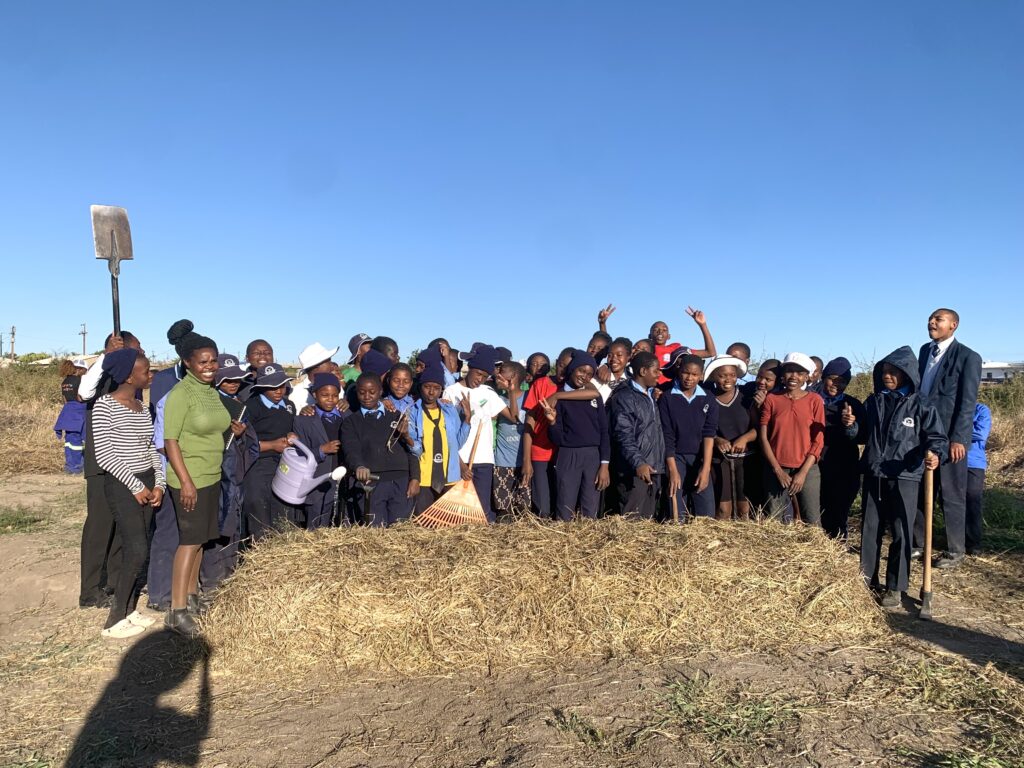
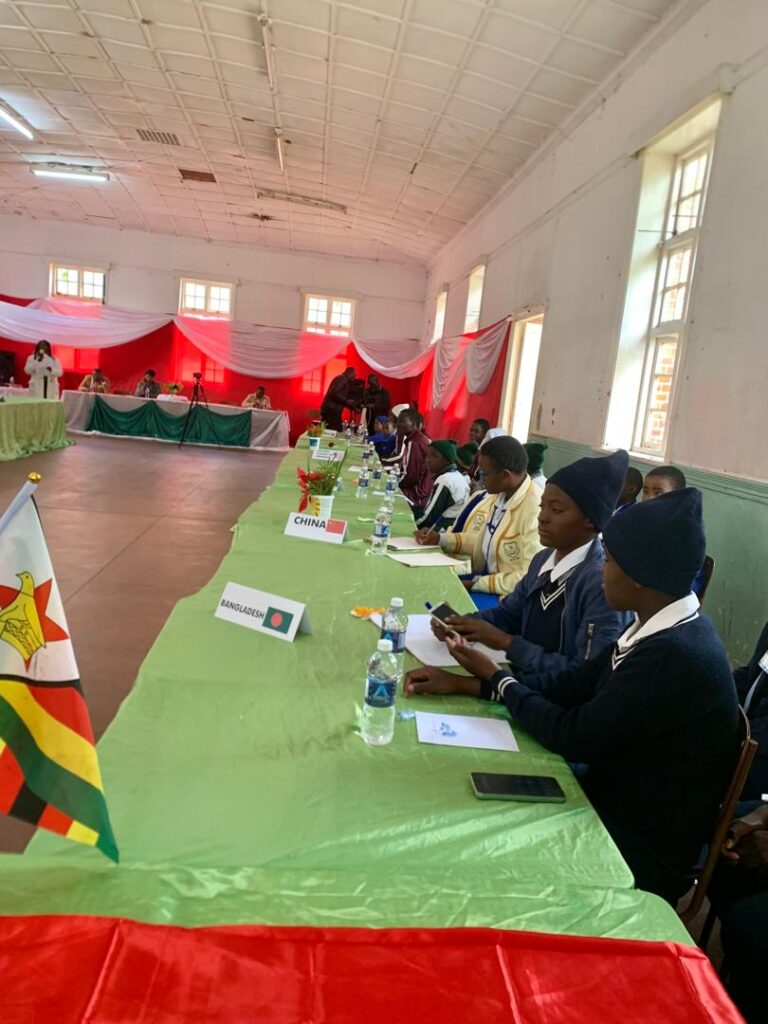
Greenhut facilitated a COP31 simulation hosted by Zimsunshine at Plumtree High School on the 18th of June, bringing together young minds for an exciting and thought-provoking climate diplomacy experience. The event featured participation from 10 schools, including Marula High School, Watershed, and Plumtree High School. Each school was assigned a country to represent and tasked with researching the climate change challenges faced by that nation. Four students from each school served as delegates, while four junior members of parliament took on the role of chairing the negotiations. The simulation quickly came to life as each country presented its position. Passionate debates emerged around climate justice, particularly on whether developed nations should bear greater responsibility for financing climate adaptation efforts in developing countries. The students represented their assigned countries with remarkable enthusiasm, confidence, and commitment, demonstrating a deep understanding of complex environmental issues. One of the most inspiring aspects of the event was witnessing primary school students confidently articulate their ideas and engage in discussions alongside secondary school learners. Their boldness, determination, and critical thinking were a powerful reminder that the future of environmental leadership is in capable hands. Following the successful conclusion of the negotiations and the adoption of a resolution, the event transitioned into a quiz competition for both primary and secondary schools. The quiz further showcased the students’ extensive knowledge of environmental and climate issues, with participants answering most questions correctly and displaying exceptional awareness of global sustainability challenges. Winning schools received prizes, while the most active and vocal participants during the COP simulation were also recognized for their outstanding contributions. Beyond the awards, the event provided students with an exciting opportunity to step outside the classroom, connect with peers from other schools, and engage in meaningful discussions on the future of our planet. The COP31 simulation was more than just an educational exercise, it was a celebration of youth leadership, critical thinking, and the power of young people to drive climate action and sustainable development.

COP31 Simulation at Plumtree High School Read More »
Biodiversity Essay Competition: Spreading Awareness Through Creativity

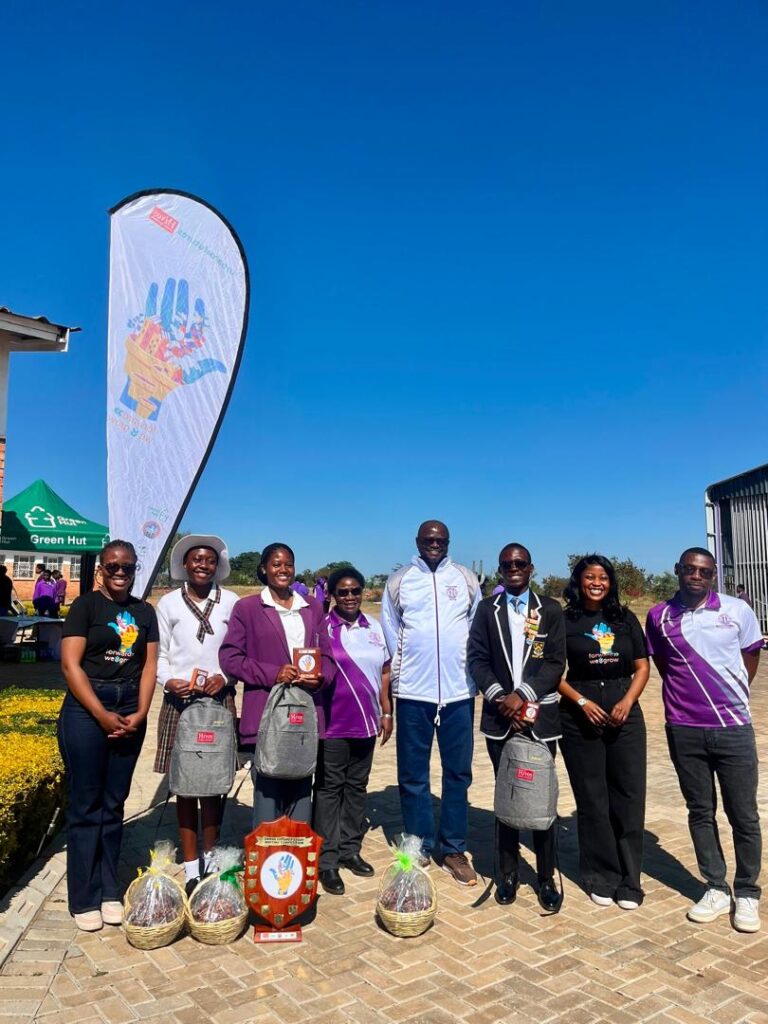
“Catch them young” is a well-known mantra that continues to prove its relevance. Raising awareness on critical issues such as biodiversity and environmental conservation becomes even more impactful when young people are actively involved. In commemoration of this year’s Biodiversity Day, the organisation, through the Urban Futures Project, hosted its second annual Biodiversity Essay Competition. The competition aims to nurture creativity among young learners while enhancing their understanding of biodiversity and sustainable urban food systems. Participants were required to choose and respond to one of two essay topics, allowing them to express their knowledge, ideas, and perspectives on environmental sustainability. The response from schools was overwhelming and encouraging. Learners from across the Bulawayo District enthusiastically took part in the competition, demonstrating not only their creativity but also a deep connection with their environment. The essays highlighted the students’ awareness of environmental challenges and their ability to propose practical solutions. Many of the suggested interventions were remarkably similar, underscoring a shared understanding among young people of both the problems facing the environment and the actions needed to address them. What remains is the collective commitment to turn these ideas into meaningful action. Out of the 18 participating schools, Masiyephambili College emerged as the overall winner, followed by Gifford High School as the first runner-up and Premier High School as the second runner-up. The Biodiversity Essay Competition Awards Ceremony was held at Masiyephambili College, where students were recognized and celebrated for their commitment to environmental conservation and sustainable food systems. Congratulations to our winners: 1st Place: Thandeka Ncube (Masiyephambili College) 2nd Place: Tamudaishe Munamati (Gifford High School) 3rd Place: Collin Colleta Moyo (Premier High School) The winners received trophies and indigenous fruit hampers, while the winning school was awarded 50 indigenous fruit trees and a floating trophy. The runner up schools each received 10 indigenous fruit trees to support their greening initiatives and strengthen biodiversity conservation efforts within their communities. The indigenous tree species distributed to the schools included waterberry, bird plum, Mexican apple, snot apple, wild medlar, and sausage tree. The indigenous fruit hampers featured local delicacies such as umnyi, umviyo, and uxhakuxhaku. The indigenous fruit hampers generated significant interest among the students, offering a refreshing alternative to conventional food hampers. This deliberate approach was designed to spark conversations about indigenous foods, their nutritional value, cultural significance, and their role in promoting sustainable food systems. Speaking at the event, Director Cinderella Ndlovu encouraged young people to take an active role in environmental stewardship and participate meaningfully in building resilient urban food systems. The event concluded with a tree-planting ceremony, symbolizing a shared commitment to biodiversity conservation and a greener, more sustainable future.

Biodiversity Essay Competition: Spreading Awareness Through Creativity Read More »

Agro-Food Systems Accountability Forum (AFSA Forum): Giving Young People a Voice in Policy Advocacy

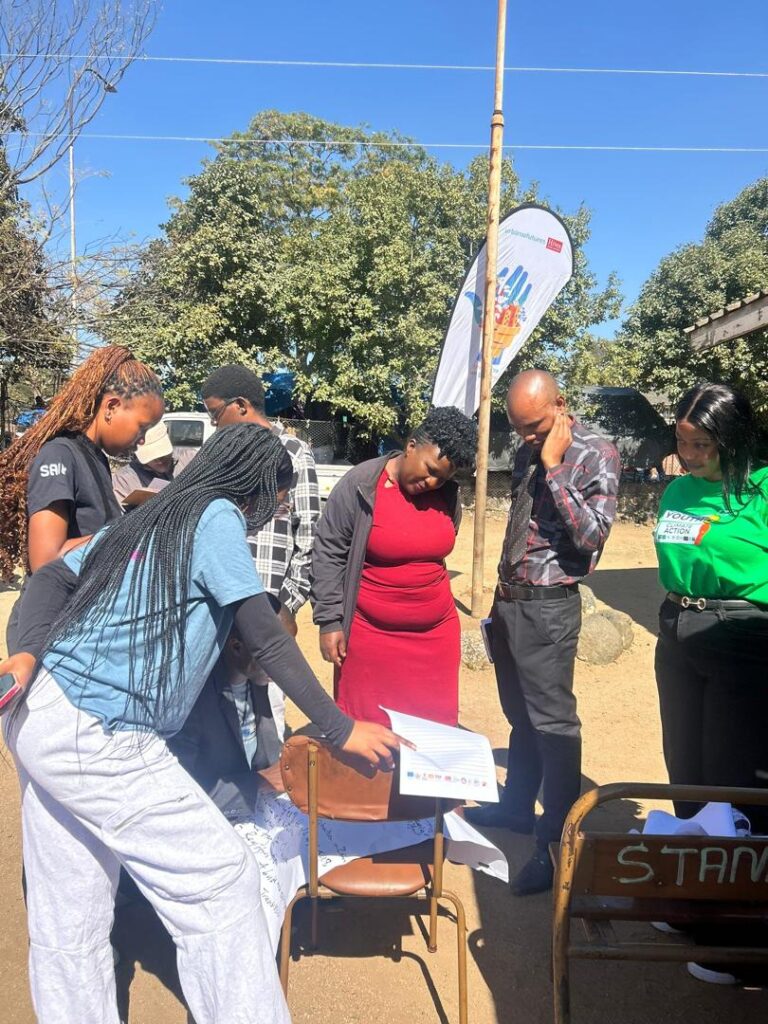
The Agro-Food Systems Accountability Forum (AFSA Forum) is a youth-led accountability and governance platform designed to create a structured space for young people to engage with duty bearers on the implementation of policies related to urban agro-food systems. The forum brings together youth, policymakers, government representatives, and other key stakeholders through recurring dialogue sessions, supported by an accountability dashboard that tracks commitments, resolutions, and progress. This approach strengthens transparency, accountability, and follow through on issues affecting young people and their communities. Young people are the leaders of tomorrow, making it essential to equip them with the knowledge, skills, and opportunities needed to advocate for a sustainable future. The AFSA Forum seeks to empower youth by providing them with the information, tools, and platform required to influence decision-making processes and drive meaningful change. As part of this vision, the Urban Futures Project, funded by Hivos and implemented by a consortium comprising the Bulawayo Vendors and Traders Organisation (BVTA) as the lead partner, Green Hut, and the Unemployed and Vulnerable Foundation Trust (UVFT) joined the Youth Collective Action for Social Transformation (YCA4SoTra) Project and Zizo Motion Pictures in hosting a Youth Policy and Advocacy Engagement at Tshaka Youth Centre on 16 June. The YCA4SoTra Project seeks to strengthen the capacity, sustainability, and policy influence of youth-led and youth focused organisations across Zimbabwe. The project works with 40 civil society organisations (CSOs) across 10 districts, empowering young people to actively participate in governance processes, influence policy decisions, and advocate for issues affecting their communities. Serving as a foundational step towards the establishment of the AFSA Forum, the engagement provided a platform for Urban Futures youths to learn from the YCA4SOTRA Project how to have meaningful dialogue with government representatives, councillors, and other stakeholders on issues affecting youth and their communities. Participants engaged in discussions on climate action, agro-food systems, sexual and reproductive health rights, child protection, digital transformation, and youth empowerment. Through these conversations, they identified key challenges and developed practical recommendations to inform policy development and community action. The discussions were vibrant and insightful, with participants demonstrating passion, determination, and a strong commitment to addressing issues that affect their lives. Stakeholders and duty bearers present at the engagement provided valuable guidance on the various thematic areas and supported young people in refining their advocacy priorities into practical, evidence-based, and achievable policy recommendations. The engagement highlighted the power of youth-led advocacy, evidence-based dialogue, and collective action in shaping sustainable and inclusive development. It reinforced the importance of creating spaces where young people can actively participate in decision-making processes and hold leaders accountable for commitments made. Together, we are building a generation of informed, empowered, and active citizens who are driving positive change and contributing to more resilient, inclusive, and sustainable communities.

Agro-Food Systems Accountability Forum (AFSA Forum): Giving Young People a Voice in Policy Advocacy Read More »

Greening ZITF: Turning Waste into Opportunity at Zimbabwe’s International Trade Fair

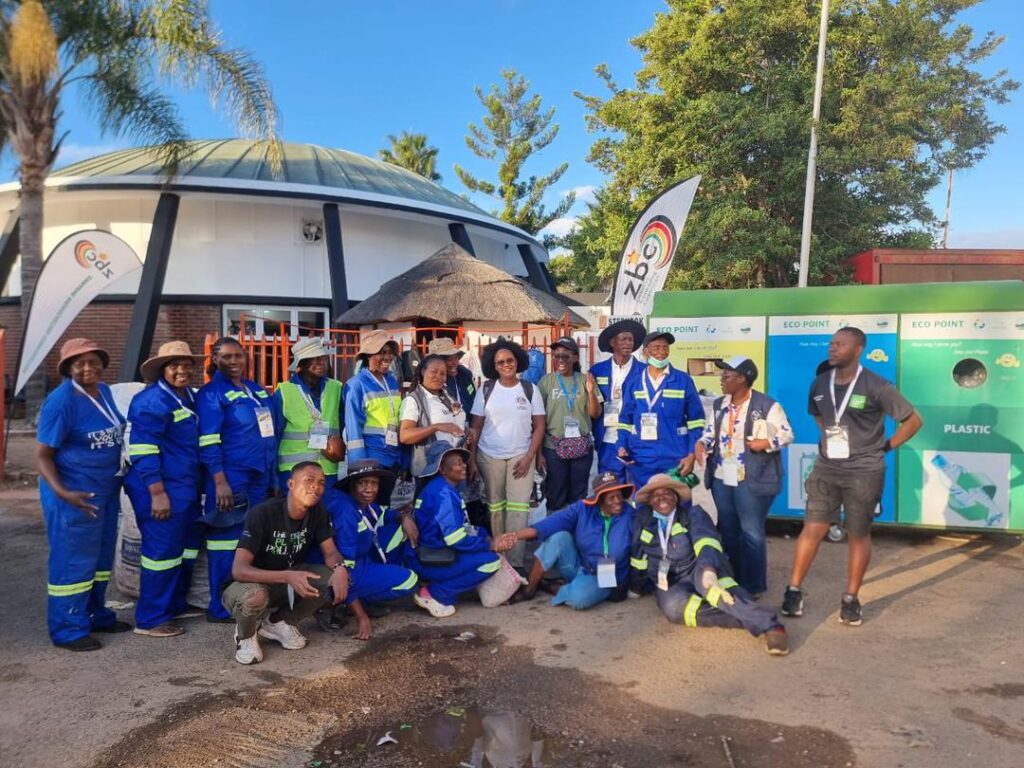
At the heart of Zimbabwe’s largest trade and investment showcase, something transformative was happening—not just in business halls and exhibition stands, but in the bins. During the 2026 Zimbabwe International Trade Fair (ZITF), Green Hut spearheaded the Greening ZITF – Circular Waste Initiative, a bold step toward redefining how large-scale events manage waste. What is typically seen as a by-product of progress—piles of mixed waste—was reimagined as an opportunity for sustainability, learning, and community action. The Zimbabwe International Trade Fair attracts thousands of visitors each year—exhibitors, delegates, and members of the public. While this makes ZITF a powerful platform for economic growth, it also generates significant volumes of waste, much of which is recyclable. Common waste streams include PET plastic bottles, aluminum cans, plastic packaging (LDPE,HDPE) and cardboard materials. Without proper systems in place, these materials are often mixed and sent to landfill, resulting in lost recycling opportunities and increased environmental pressure. The Solution: A Circular Approach Through the Greening ZITF initiative, Green Hut introduced a structured waste separation and recycling system at the exhibition grounds. The goal was simple but powerful: Diverting recyclable materials from landfill and promote sustainable waste management practices. The initiative focused on establishing labelled recycling points , deploying a dedicated waste collection and sorting team, separating waste at source into key recycable streams and raising awareness among exhibitors and visitors. All collected materials were sorted, quantified, and redirected into formal recycling systems, ensuring that waste became part of a circular economy rather than an environmental burden Powered by Partnerships The success of the initiative was driven by collaboration.Green Hut worked alongside Catholic Commission for Justice and Peace (CCJP), Inyathi High School Environmental Club and Green Hut volunteers.Together, this diverse team brought energy, commitment, and purpose to the initiative.For the students from Inyathi High School, this was more than just volunteering—it was a hands-on learning experience. They actively participated in waste sorting, engaged with the public, and embodied what it means to practice sustainability, not just talk about it. From Concept to Action: On-the-Ground Implementation The initiative deployed a structured operational system that included: Beyond waste collection, the team also ensured cleanliness around high-traffic areas, real-time sorting and temporary storage of recyclables, data collection on waste volumes.Importantly, the initiative also prioritised the safety and dignity of waste collectors, providing protective equipment and support throughout the exhibition . Changing Mindsets, One Interaction at a Time One of the most powerful aspects of the Greening ZITF initiative was its public awareness component through conversations at recycling points and direct engagement with the exhibitors and visitors.The initiative sparked important conversations around waste, responsibility, and sustainability.While challenges were encountered particularly around inconsistent waste separation by some attendees there were also encouraging signs of change. Visitors began arriving with pre-sorted waste, curious to learn more and eager to participate.These moments reinforced the notion that behaviour change starts with awareness, but it grows through engagement. Impact Beyond the Bins By the end of the exhibition, the initiative had diverted significant quantities of recyclable waste from landfill, improved cleanliness across the ZITF grounds,increased awareness of recycling and waste separation, strengthened collaboration between civil society, youth, and partners and generated valuable data on waste streams at large events. But beyond the numbers, the real impact was in demonstrating that sustainable waste management at large events is not only possible—it is practical and scalable. The Greening ZITF initiative was designed as a pilot model, with the potential to be replicated and scaled across Zimbabwe and beyond. It lays the foundation for: ZITF has now shown that it can be more than a trade fair—it can be a platform for sustainability leadership. Looking Ahead At Green Hut we believe that waste is not just something to be managed—it is something to be reimagined.The Greening ZITF initiative is a testament to what can happen when: As we look to the future, we remain committed to expanding this model, strengthening partnerships, and continuing to turn waste into opportunity. Because in the end—Yes, we can. And we did. ♻️

Greening ZITF: Turning Waste into Opportunity at Zimbabwe’s International Trade Fair Read More »

The Living Wetland: Where Culture, Nature, and Learning Come Alive

On a quiet Saturday at the Natural History Museum in Bulawayo, something powerful unfolded. It was not just an event—it was a homecoming of knowledge, culture, and purpose. Under the theme “Wetlands and Traditional Knowledge: Celebrating Our Cultural Heritage,” voices from across generations came together to honour something often overlooked, yet essential to life itself: wetlands. When Elders Speak, Nature Listens One of the most moving moments of the day came from a 102-year-old elder from Matobo, Mr Dube, who shared sacred practices that have protected wetlands for generations.Through stories passed down over time, we were reminded that: At the same time, children stood to recite poems—voices full of hope, speaking not just of today, but of the future they will inherit.And in that moment, one truth became undeniable, wetlands survive when culture survives. Beyond Science: The Human Side of Conservation The discussions throughout the day challenged us to rethink conservation. We often approach environmental protection through science—and rightly so. But this gathering reminded us that conservation is also: Our elders taught us that: This was not just knowledge—it was wisdom. The Living Wetland Project: From Vision to Reality What made this moment even more powerful was that it was not just about reflection—it was about colective action as we partnered with Friends of the Museum,Waste Money Private Limited, Matobo Conserbvation Society, Bubye Valley Conservancy, We Cre8te Africa, Bold Dialogues, Dambari Wildlife Trust, Birdlife Zimbabwe, Ulwazi Technologies and the Environmental Management Agency.Right there at the Natural History Museum, the Living Wetland Project is beginning to take shape.Designed as a realistic, interactive wetland exhibit, the project aims to: The exhibit is not just symbolic—it is alive. Water harvested from the museum rooftop is already collecting in the system, demonstrating how even in a dry city like Bulawayo, sustainable water use is possible . And slowly, nature is responding—insects are beginning to settle, marking the first signs of a living ecosystem forming. A Living Classroom for Generations The Living Wetland is designed to be more than an exhibit—it is a learning experience.Key features will include: This will be a space where: As highlighted in the project concept, the museum already receives thousands of visitors annually—making it the perfect platform to inspire widespread environmental awareness . A Call to Remember, Restore, and Protect The Living Wetland Project is not just about building an ecosystem—it is about rebuilding our relationship with nature.It is a reminder that: Looking Ahead As the wetland begins to take shape—drop by drop, life by life—we are witnessing something beautiful.At Green Hut Trust, we are proud to be part of this journey—working alongside partners, communities, and knowledge holders to bring this vision to life.Because wetlands are not just landscapes.They are heritage.They are life.And protecting them is everyone’s responsibility Join the Movement As we continue to build and grow the Living Wetland, we invite you to: Because the future of our environment depends not only on what we build—but on what we choose to remember and preserve.

The Living Wetland: Where Culture, Nature, and Learning Come Alive Read More »

BRINGING THE HEAT TO WINTER: OUR GREEN HUT EXPERIENCE AT THE NANGO WESTERN REGION NGO EXPO & WINTER SCHOOL 2025

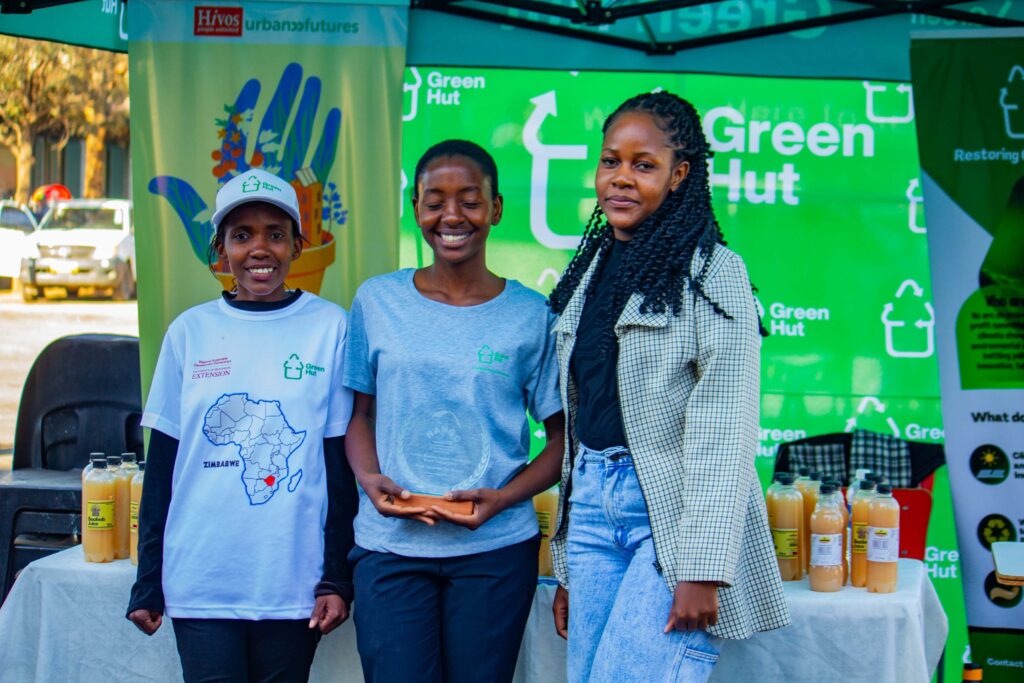
In our mission to restore the health of our planet, Greenhut Trust was honored to participate in the NANGO Western Region NGO Expo and Winter School 2025, held at City Hall in the heart of Bulawayo. The event brought together a diverse group of stakeholders, including leading NGOs, grassroots organizations, young innovators, and local residents all collaborating under one roof. For Greenhut, participation was not merely about presence; it was an opportunity to stand out and share our locally developed, youth-led climate innovations with a wider audience. We are proud to announce that we received the award for Best Innovative Stand, with special recognition to the GUQUKA team for their outstanding smart bin innovation, which was developed through the YCAF Bloomberg funding.    Our exhibition was more than just a stand; it was a dynamic hub of ideas, inventions, and impact. We showcased some of our most exciting projects designed to address local challenges through sustainable innovation. Our stand was brought to life by the energy and dedication of our incredible youth volunteers. From sharing the vision behind our projects to selling more than 70% of our indigenous juice stock from one of our partners African Food Revolution, they didn’t just represent Green Hut, they embodied it. These young change makers gained invaluable real-world experience in marketing, public engagement, and social entrepreneurship. As they confidently pitched our ideas to visitors, potential partners, and residents, it was a proud reminder of why we do what we do. The Expo also gave the organization the chance to build powerful new relationships. We connected with NGOs from across the region, shared ideas with residents, explored partnerships with various organizations. It brought about a strong sense of solidarity and purpose in every conversation. The Winter School workshops sparked ideas, challenged assumptions, and reminded us that the climate fight is a shared responsibility and youth are at the forefront of it. Winning Best Innovative Stand was a moment of celebration, but it was also a challenge to keep pushing, creating, and leading. We return from the Expo even more committed to developing accessible, community-based climate solutions, creating meaningful work and learning opportunities for young people, expanding our reforestation and food systems programs and build a greener, fairer, and more sustainable Zimbabwe. A huge thank you to NANGO Zimbabwe for organizing such a dynamic and inclusive event. To every visitor who stopped by our stand, we see you and we heard you. And to our team, our partners, and especially our youth volunteers, you are the future that we believe in. The future is green. The future is innovative. The future is youth-led. Let’s grow it together.

BRINGING THE HEAT TO WINTER: OUR GREEN HUT EXPERIENCE AT THE NANGO WESTERN REGION NGO EXPO & WINTER SCHOOL 2025 Read More »

Inala Smart Agro Challenge: Empowering Youth to Transform Urban Food Systems

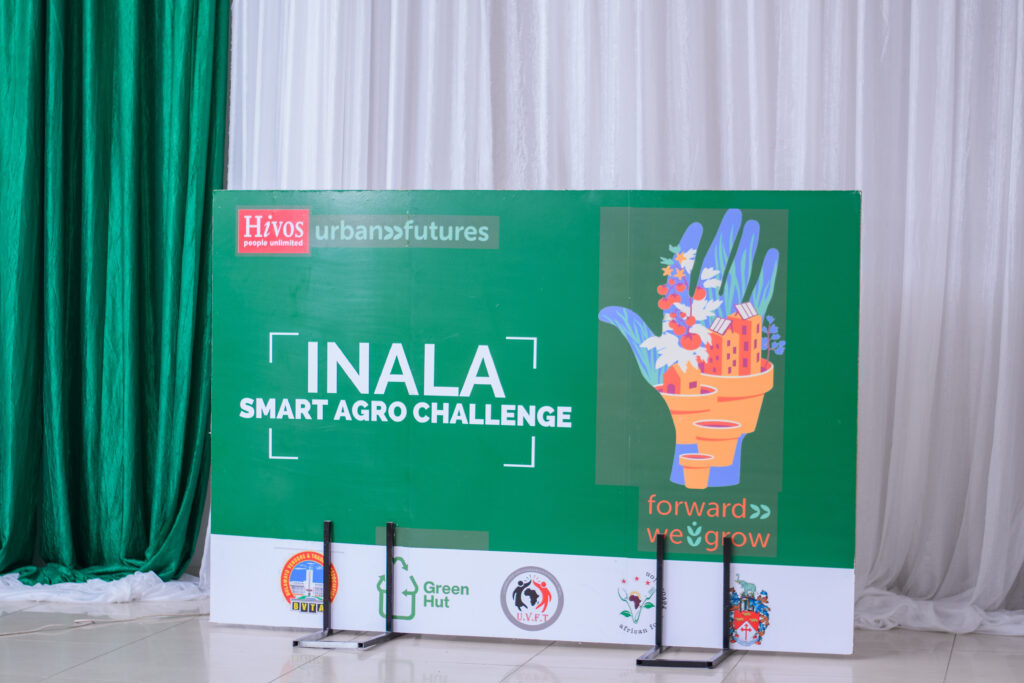
The Inala Smart Agro Challenge is a platform that unites young, innovative minds from diverse backgrounds to collaboratively develop solutions to the pressing challenges within Bulawayo’s urban food systems. This initiative is a component of the Urban Futures Project, which is currently being implemented in Bulawayo by a consortium comprising the Bulawayo Vendors and Traders Association, African Food Revolution, Unemployed and Vulnerable Foundation, and Green Hut, in collaboration with Hivos.The project seeks to foster inclusive, climate-resilient urban food systems, with young people at the center of its implementation. The event, hosted at Impala Events, opened with remarks from several speakers, all of whom underscored the critical importance of innovation and highlighted the transformative role of youth as the drivers of economic growth and sustainable change. Participants were divided into groups and tasked with solving specific challenges related to urban agriculture and food systems. The format encouraged creative problem-solving under time constraints, and the young innovators rose to the occasion. Out of five participating teams, two were selected as winners based on the strength, feasibility, and originality of their solutions. These teams were awarded monetary prizes, intended not just as recognition, but also as a means of testing their dedication to turning ideas into action. The challenge thus served as both an incubator and a springboard for youth led innovation in Bulawayo’s food systems. The two winning teams were advised to combine their innovations into a single solution, which they successfully did by creating a mobile application called Farm Link. Farm Link is a web-based platform designed to empower urban farmers in Bulawayo through data-driven insights, enabling them to optimize crop yields, improve access to markets, and enhance climate resilience in response to the increasing environmental challenges. The platform offers several key features, including the ability to connect with customers on a larger scale, access real-time market trends, and identify product demand and potential markets. Additionally, Farm Link serves as a hub for capacity building and knowledge sharing, offering courses on various modern farming techniques to help farmers improve their skills and stay informed. The journey did not end with the young participants pitching their ideas. After the Inala Innovation Challenge, the team behind Farm Link was provided with mentorship from industry professionals, including experienced web developers. This initiative was not only focused on enhancing the app but also aimed at equipping the young innovators with broader knowledge and practical skills that could benefit them in future ventures. To ensure the platform’s relevance and usability, the Farm Link team conducted field surveys with local urban farmers. This participatory approach fostered a sense of ownership among the farmers by involving them from the early stages of development. The feedback collected helped the team assess the platform’s effectiveness, determine necessary features, and identify aspects that needed refinement or removal ultimately shaping a solution that meets the real needs of its users. Most of the respondents were elderly individuals who primarily associated being online with using WhatsApp, rather than broader internet activities. This highlights a clear gap in digital literacy that should be carefully addressed in the website’s design and onboarding process. Despite some concerns about payment methods, the farmers were enthusiastic about the proposed features and expressed a strong desire to see the website developed. We eagerly anticipate the launch of the platform and hope it will not only benefit the farming community but also inspire other young people to innovate and create positive change.

Inala Smart Agro Challenge: Empowering Youth to Transform Urban Food Systems Read More »

Urban Futures Champion and her team shines at the Ramsar Heckathon

During the month of July 2025, Whitney Mudzingwa, an urban futures champion had the opportunity to represent youth voices at one of Africa’s most significant environmental gatherings, the Ramsar COP15 held in the stunning city Victoria Falls, Zimbabwe. The event featured a vibrant and competitive hackathon themed “Innovating for Wetlands: Local Action, Global Impact,” orchestrated by Elevate Trust. This engaging platform brought together young innovators from across Africa to collaborate on groundbreaking, science-based solutions rooted in community efforts for wetland restoration. The hackathon was a hybrid event, with an intensive online phase that led to a physical pitch at the COP15 in Victoria Falls. The program was designed to promote interdisciplinary collaboration, requiring teams of 3 to 5 members, each consisting of an innovator, a scientist or researcher, and a community leader or policy expert. Competing under the name EcoBytes, the group developed a mobile application called Wetland Guard, which aims to empower communities to protect and restore wetlands. This technology combines community action with a gamified incentive system. The goal is to enable citizens to report threats to wetlands, participate in restoration efforts, and earn rewards, transforming environmental stewardship into a collective and rewarding experience. Competing against 20 interdisciplinary teams from across the continent, the EcoBytes team reached the Top 5 finalists through mentorship, platform training, and sessions on team dynamics. They pitched their idea live at the COP15 event and secured second place. As a youth champion, this experience deepened Whitney’s commitment to environmental advocacy and positioned her and her teammates as active contributors to global environmental dialogue. Through Wetland Guard, they demonstrated that, with the right tools, local communities can become the most powerful protectors of their ecosystems. Whitney Mudzingwa has gained immensely from the Urban Futures project, which provided her with opportunities as an innovator to participate in various platforms. Through Urban Futures programs, such as the Inala Agro-Smart Innovation Challenge, she was able to collaborate with like-minded individuals and, along with her team, develop an application named Farmlink. Her confidence in pitching innovations has greatly improved through various mentorship programs, including the Wetskills Challenge, which she also participated in through Urban Futures. Young people hold the future, and it is impressive to see them take action towards building a better tomorrow.

Urban Futures Champion and her team shines at the Ramsar Heckathon Read More »

Growing a Greener Future through School Food Forests

As the climate crisis deepens, it’s becoming clear that no action is too small. Every seed sown, every tree planted, and every child educated is a step toward a more resilient and sustainable future. At Green Hut, we believe in planting the roots of change early. That’s why, together with Hivos and our partners in the Bulawayo Urban Futures consortium (Bulawayo Vendors and Traders Association, African Food Revolution, and Unemployed and Vulnerable Foundation Trust) we’ve launched an exciting new initiative: School Food Forests. This project is taking root in primary and high schools across Bulawayo, starting with a pilot at Prestige High School in Cowdray Park. The goal is to build vibrant food forests and active environmental clubs that empower students with practical knowledge about climate change, agroecology, permaculture, composting, water harvesting, and climate-smart farming. These food forests are living classrooms that offer hands-on experiences and tie into academic subjects like food and nutrition, agriculture, and geography. Students not only learn how to grow food, but they also learn how to care for ecosystems, work together, and develop a sense of responsibility for the environment. So far, we’ve planted 60 trees at Prestige High School with 60% indigenous species and 40% exotic. This wasn’t by chance. Indigenous trees are better suited to our local climate and require less maintenance, making them key players in building climate-resilient communities. Trees like Bird plum (umnyi) and snot apple (uxakuxaku) sit alongside lemon trees, while underneath them, vegetables like rape and lettuce grow in the shade. Herbs like mint, thyme, oregano, comfrey, and parsley add to the biodiversity. The design mimics natural ecosystems, as each plant has a purpose, supporting the others. The shade from the trees reduces evaporation, protecting crops during dry spells. It’s a beautiful balance of productivity and sustainability. Importantly, this project is reconnecting young people with indigenous foods and forgotten flavours. In an age of fast foods and imported produce, we are reminding students of the value and taste of traditional fruits and crops. It’s also planting the idea that green careers are possible, meaningful, and essential. We know that not all students shine in traditional classroom settings, but in the food forest, many are discovering new talents and interests. They are getting their hands dirty, learning by doing, and finding joy in watching something grow. They’re challenging the old idea that farming needs lots of land and money. We are showing them that with knowledge, care, and creativity, even a small schoolyard can become a source of food, pride, and learning. The response so far has been heartwarming. At Prestige High, students are eager to learn, quick to volunteer, and excited to show off their gardens. Some even take the initiative to water plants during break time and over the weekends. The food forest has become a favorite space and part of the classroom. Looking ahead, we’re hopeful. We see a future where more schools join the movement, more children become eco-leaders, and our urban food systems are transformed from the ground up by the very youth who will inherit them.

Growing a Greener Future through School Food Forests Read More »

Essay Competition on Biodiversity, Food Systems and Sustainable Development

In recognition of the International Day for Biological Diversity 2025, Greenhut and its partners under the Urban futures program supported by HIVOS, are launching an essay competition for high school students under the theme “Harmony with Nature and Sustainable Development.” This initiative seeks to raise awareness and deepen understanding of the critical link between biodiversity, local food systems, and climate-resilient development. The competition aims to encourage students to think critically about how human food systems impact biodiversity and to explore innovative, sustainable approaches that align with nature. By engaging young minds, we hope to inspire a generation of environmental stewards who understand the importance of preserving ecosystems while securing food for future generations. We invite high school students in Bulawayo to participate in this essay competition. Your engagement will help amplify student voices and strengthen a culture of environmental responsibility in our communities. Essay Competition Call: Are you passionate about the environment, food and the future of our planet? Join our Biodiversity and Food Systems Essay Competition in celebration of the International Day for Biological Diversity 2025! This is your chance to share your ideas on how we can live in harmony with nature while building sustainable food systems. #Forwardwegrow #UrbanFutures Choose ONE question below: 1.“In what ways can local food systems promote biodiversity while supporting community development and food security in Zimbabwe?” 2.“How does urban agriculture threaten biodiversity, and what sustainable alternatives can young people advocate for to create a balanced relationship with nature?” Competition Rules • Essays must be a maximum of 3 pages long • One essay entry per student • No Copy and paste responses (creative thinking and analysis are encouraged) Prizes Floating trophy for the winning school Trophy for winning student Assorted goody bag for winning student  SUBMISSION DEADLINE: WEDNESDAY 4 JUNE 2025 Essays can be submitted via email: memory@greenhut.org or via WhatsApp +263 7 83354317 or physically: 8 Swansea Street, Belmont, Bulawayo

Essay Competition on Biodiversity, Food Systems and Sustainable Development Read More »