
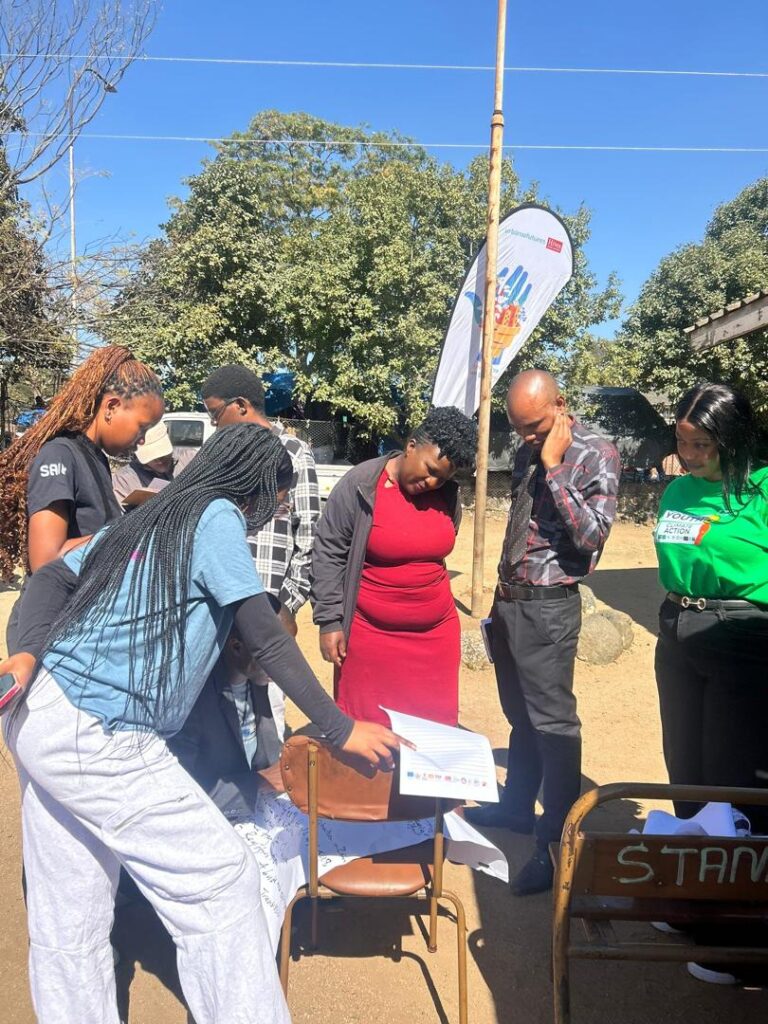
The Agro-Food Systems Accountability Forum (AFSA Forum) is a youth-led accountability and governance platform designed to create a structured space for young people to engage with duty bearers on the implementation of policies related to urban agro-food systems. The forum brings together youth, policymakers, government representatives, and other key stakeholders through recurring dialogue sessions, supported by an accountability dashboard that tracks commitments, resolutions, and progress. This approach strengthens transparency, accountability, and follow through on issues affecting young people and their communities.
Young people are the leaders of tomorrow, making it essential to equip them with the knowledge, skills, and opportunities needed to advocate for a sustainable future. The AFSA Forum seeks to empower youth by providing them with the information, tools, and platform required to influence decision-making processes and drive meaningful change.
As part of this vision, the Urban Futures Project, funded by Hivos and implemented by a consortium comprising the Bulawayo Vendors and Traders Organisation (BVTA) as the lead partner, Green Hut, and the Unemployed and Vulnerable Foundation Trust (UVFT) joined the Youth Collective Action for Social Transformation (YCA4SoTra) Project and Zizo Motion Pictures in hosting a Youth Policy and Advocacy Engagement at Tshaka Youth Centre on 16 June.
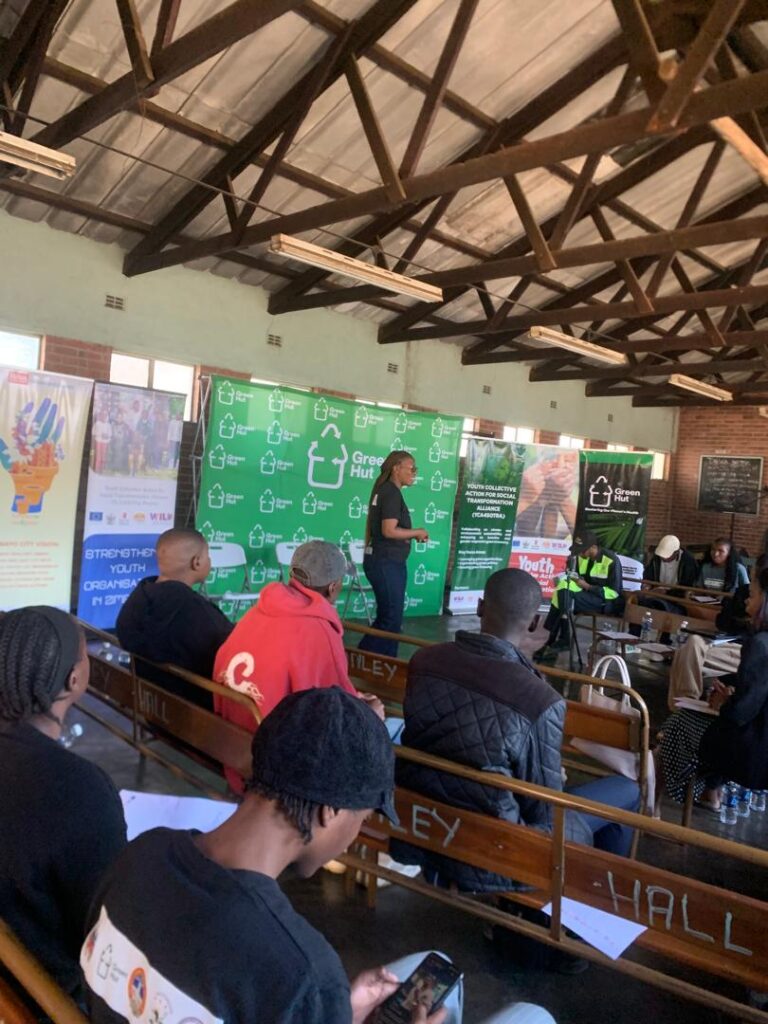
The YCA4SoTra Project seeks to strengthen the capacity, sustainability, and policy influence of youth-led and youth focused organisations across Zimbabwe. The project works with 40 civil society organisations (CSOs) across 10 districts, empowering young people to actively participate in governance processes, influence policy decisions, and advocate for issues affecting their communities.
Serving as a foundational step towards the establishment of the AFSA Forum, the engagement provided a platform for Urban Futures youths to learn from the YCA4SOTRA Project how to have meaningful dialogue with government representatives, councillors, and other stakeholders on issues affecting youth and their communities.
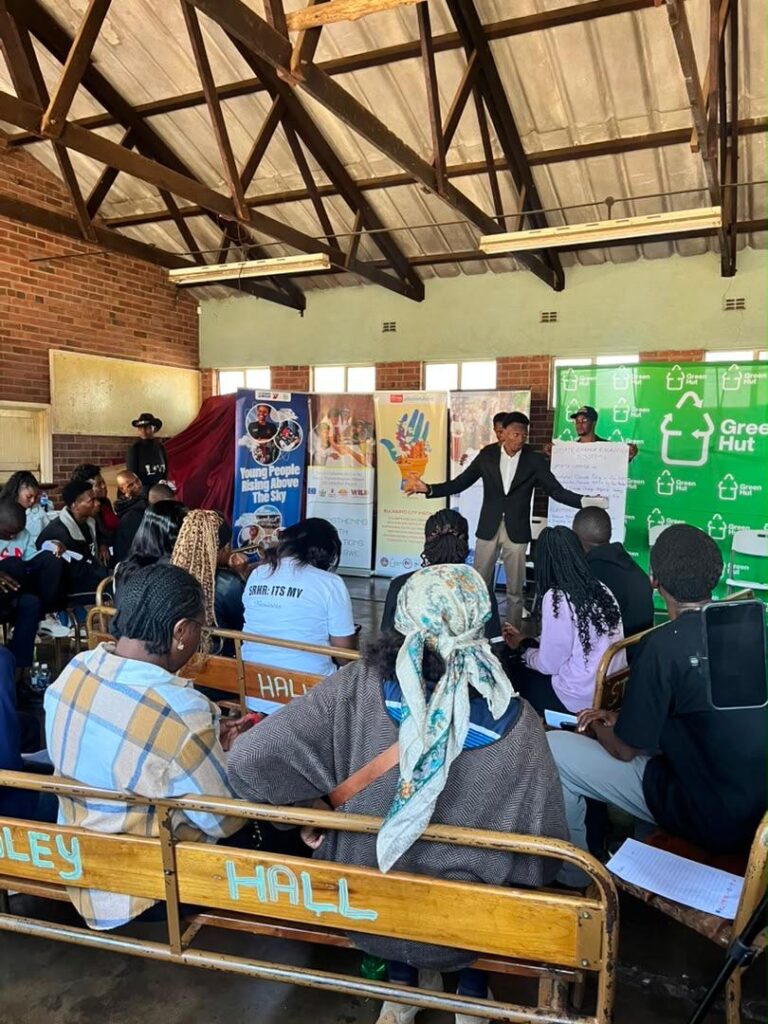
Participants engaged in discussions on climate action, agro-food systems, sexual and reproductive health rights, child protection, digital transformation, and youth empowerment. Through these conversations, they identified key challenges and developed practical recommendations to inform policy development and community action. The discussions were vibrant and insightful, with participants demonstrating passion, determination, and a strong commitment to addressing issues that affect their lives.
Stakeholders and duty bearers present at the engagement provided valuable guidance on the various thematic areas and supported young people in refining their advocacy priorities into practical, evidence-based, and achievable policy recommendations.
The engagement highlighted the power of youth-led advocacy, evidence-based dialogue, and collective action in shaping sustainable and inclusive development. It reinforced the importance of creating spaces where young people can actively participate in decision-making processes and hold leaders accountable for commitments made.
Together, we are building a generation of informed, empowered, and active citizens who are driving positive change and contributing to more resilient, inclusive, and sustainable communities.