“Catch them young” is a well-known mantra that continues to prove its relevance. Raising awareness on critical issues such as biodiversity and environmental conservation becomes even more impactful when young people are actively involved.
In commemoration of this year’s Biodiversity Day, the organisation, through the Urban Futures Project, hosted its second annual Biodiversity Essay Competition. The competition aims to nurture creativity among young learners while enhancing their understanding of biodiversity and sustainable urban food systems. Participants were required to choose and respond to one of two essay topics, allowing them to express their knowledge, ideas, and perspectives on environmental sustainability.
The response from schools was overwhelming and encouraging. Learners from across the Bulawayo District enthusiastically took part in the competition, demonstrating not only their creativity but also a deep connection with their environment. The essays highlighted the students’ awareness of environmental challenges and their ability to propose practical solutions. Many of the suggested interventions were remarkably similar, underscoring a shared understanding among young people of both the problems facing the environment and the actions needed to address them. What remains is the collective commitment to turn these ideas into meaningful action.
Out of the 18 participating schools, Masiyephambili College emerged as the overall winner, followed by Gifford High School as the first runner-up and Premier High School as the second runner-up.
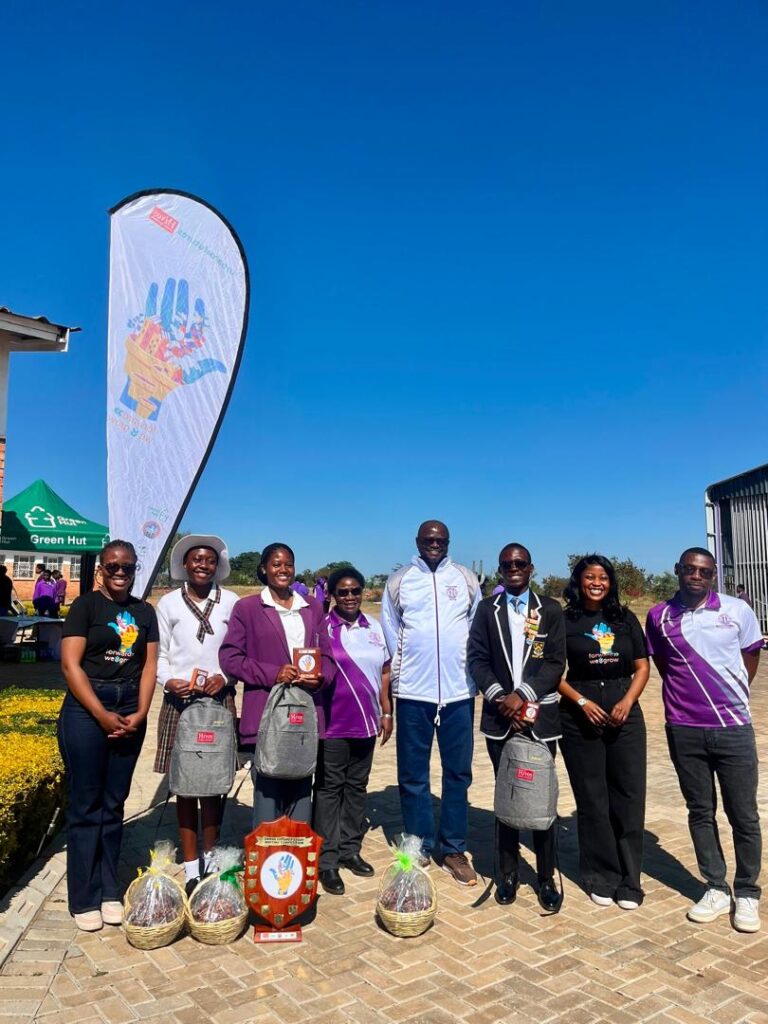
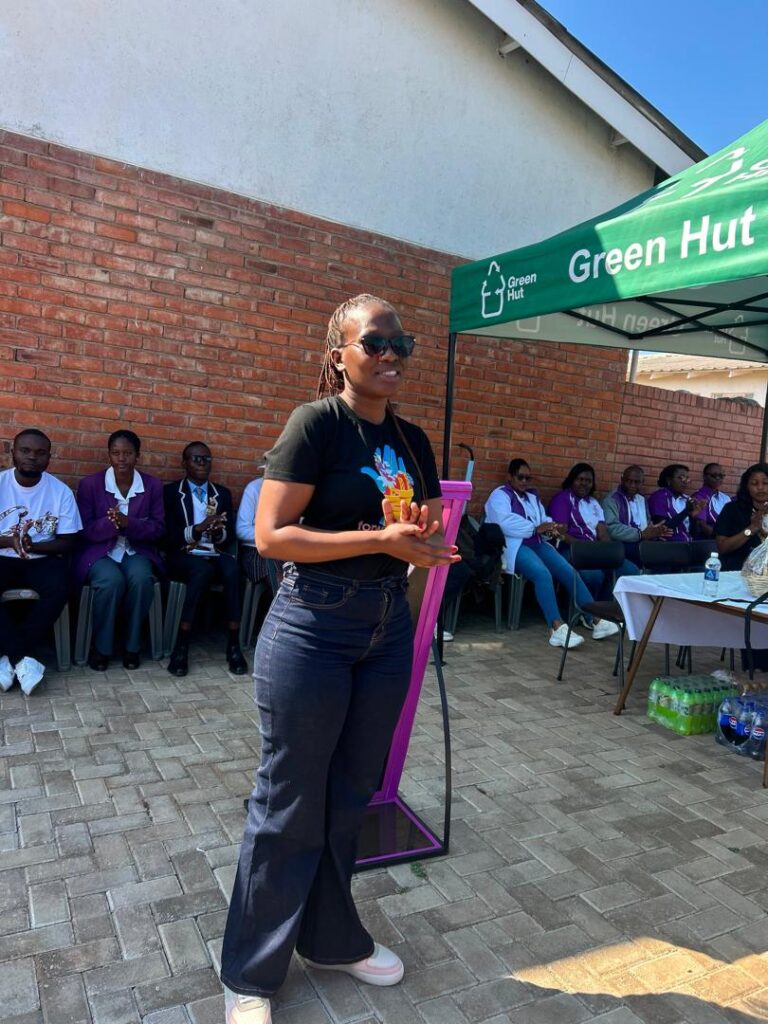
The Biodiversity Essay Competition Awards Ceremony was held at Masiyephambili College, where students were recognized and celebrated for their commitment to environmental conservation and sustainable food systems.
Congratulations to our winners:
1st Place: Thandeka Ncube (Masiyephambili College)
2nd Place: Tamudaishe Munamati (Gifford High School)
3rd Place: Collin Colleta Moyo (Premier High School)
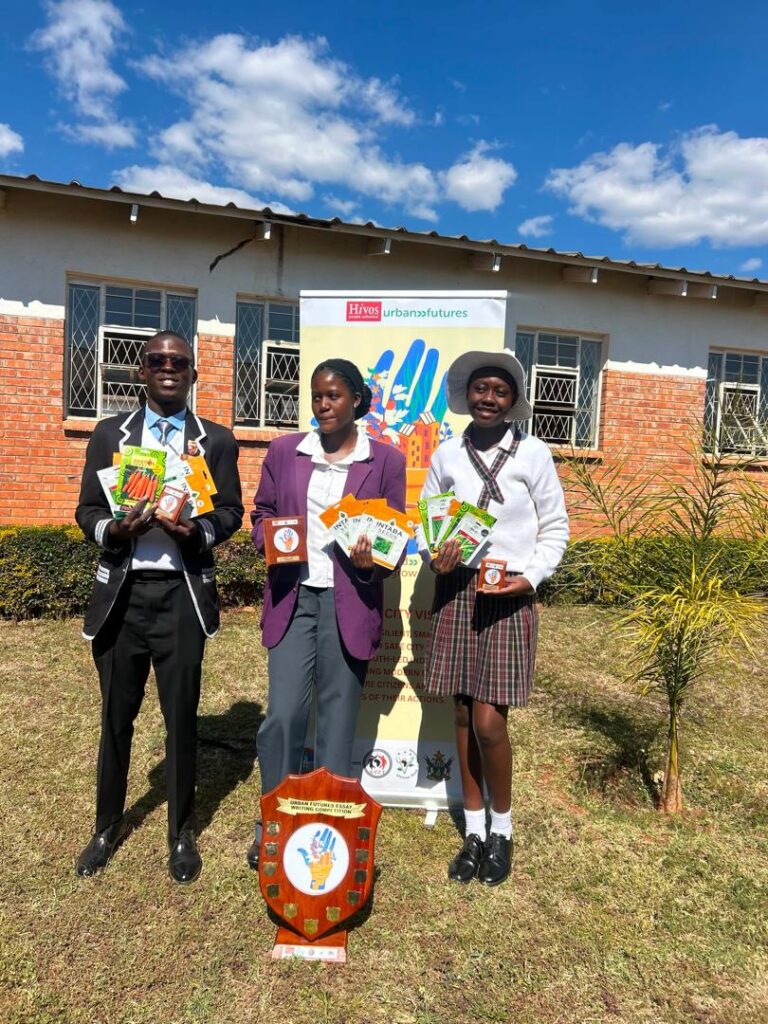
The winners received trophies and indigenous fruit hampers, while the winning school was awarded 50 indigenous fruit trees and a floating trophy. The runner up schools each received 10 indigenous fruit trees to support their greening initiatives and strengthen biodiversity conservation efforts within their communities.
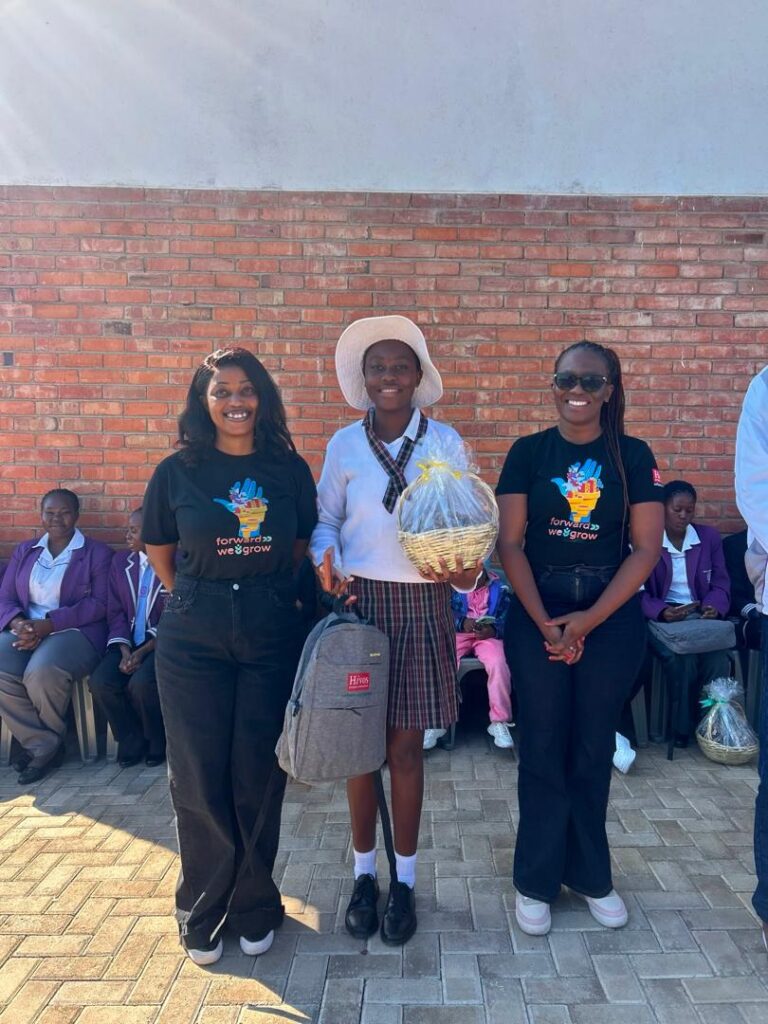
The indigenous tree species distributed to the schools included waterberry, bird plum, Mexican apple, snot apple, wild medlar, and sausage tree. The indigenous fruit hampers featured local delicacies such as umnyi, umviyo, and uxhakuxhaku.
The indigenous fruit hampers generated significant interest among the students, offering a refreshing alternative to conventional food hampers. This deliberate approach was designed to spark conversations about indigenous foods, their nutritional value, cultural significance, and their role in promoting sustainable food systems.
Speaking at the event, Director Cinderella Ndlovu encouraged young people to take an active role in environmental stewardship and participate meaningfully in building resilient urban food systems.
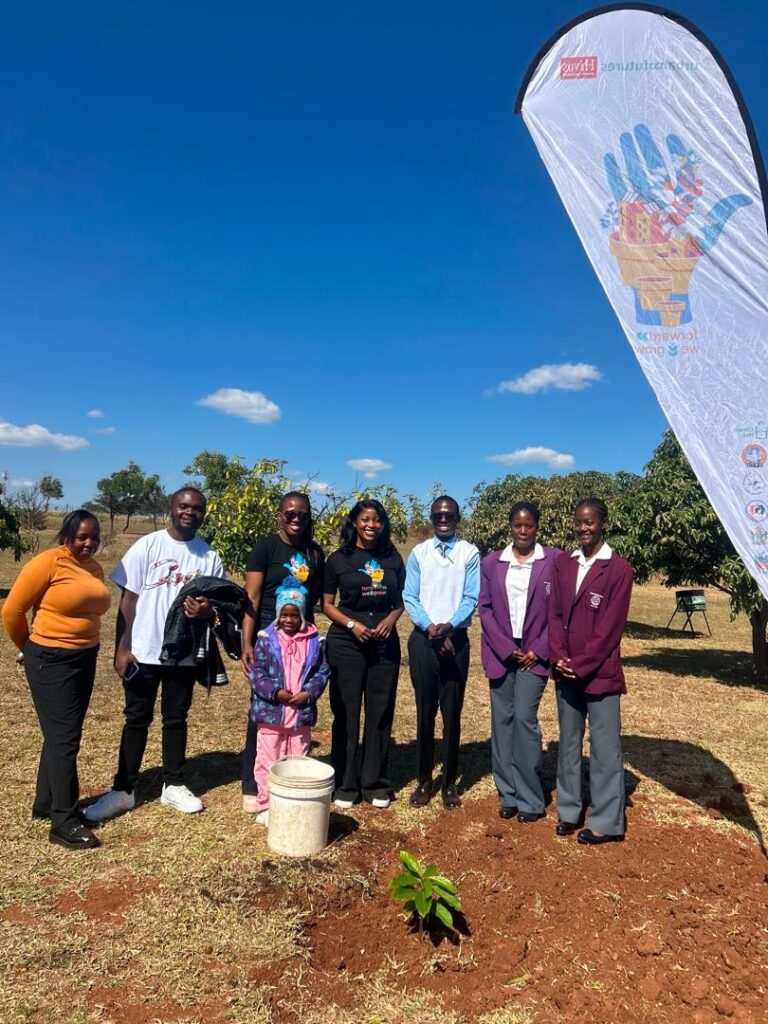
The event concluded with a tree-planting ceremony, symbolizing a shared commitment to biodiversity conservation and a greener, more sustainable future.