

Colombia:
Cali and Medellín

Ecuador:
Manabí and Quito
Indonesia:
Bandung and West Manggarai

Zambia:
Chongwe and Kitwe

Zimbabwe:
Bulawayo and Mutare

The Greening Bulawayo Project is an initiative by Green Hut that aims to improve Bulawayo Metropolitan province’s forest cover through tree planting in schools, communities, farms, and public institutions. The project targets various groups, including in-school and out-of-school youth, farmers, community leaders, and other interested community members. It addresses the rising deforestation in urban areas caused by expanding city boundaries and the high demand for accessible, cheap energy due to excessive power cuts.
A primary goal of the project is to raise awareness about environmental issues and the role of trees in combating climate change. It seeks to transform the attitudes and behaviours of residents towards trees, promote the protection of existing trees, and inspire the planting of new ones across the city. The project also educates communities on sustainable farming and agroforestry practices
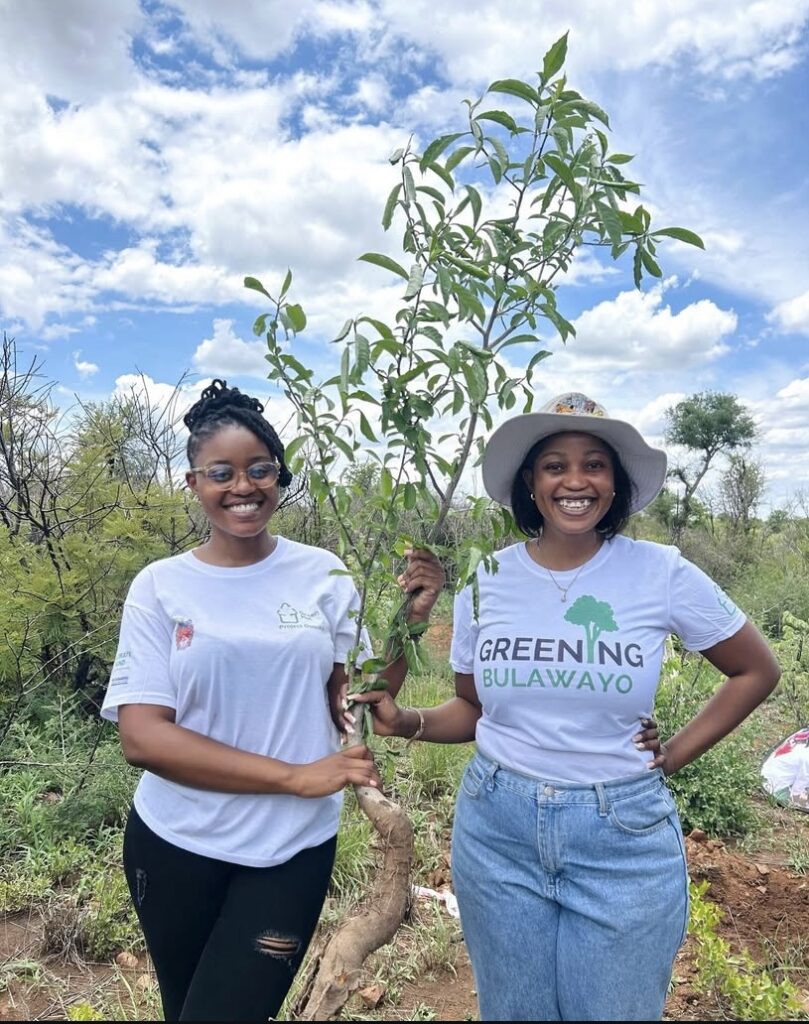
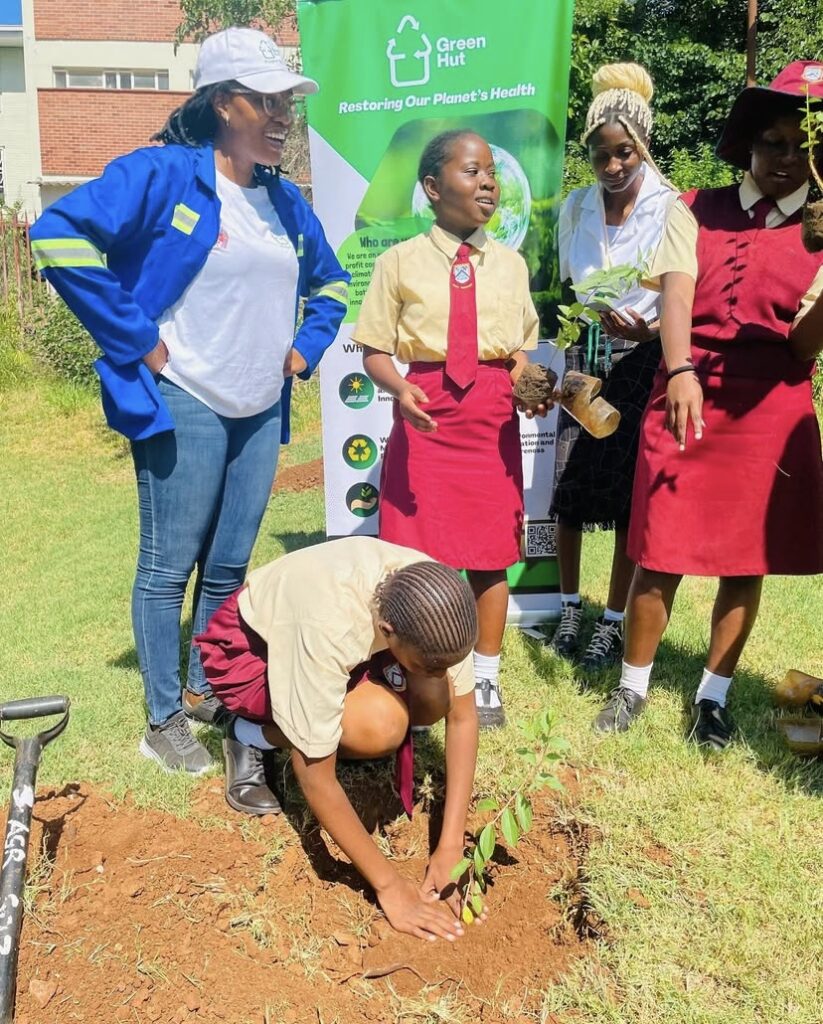
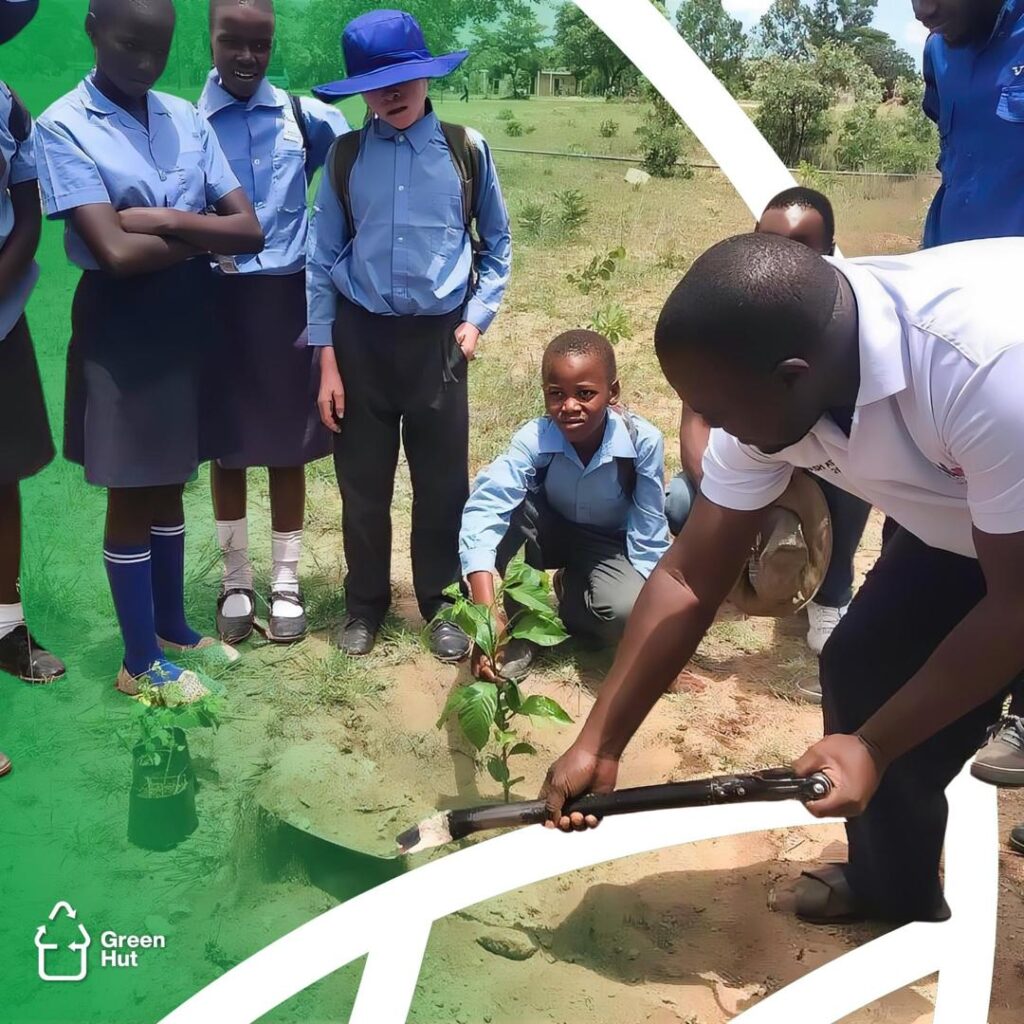
The project aims to plant and nurture 1,000 trees annually from 2025 to 2030, with each tree being mapped and monitored for two years to ensure it reaches maturity. The project also incorporates a skills-building component, offering training to young people aged 18 to 35 and farmers on topics such as tree planting, nursery management, grafting, and agroforestry.
Through educational seminars and public lectures on the global climate crisis, the project seeks to sensitize participants on the role of trees as carbon sinks. In participating schools, each class is given a tree to be responsible for, and they receive information on how to nurture it. A mobile application is used to map and track each tree, allowing for real-time monitoring and evaluation.
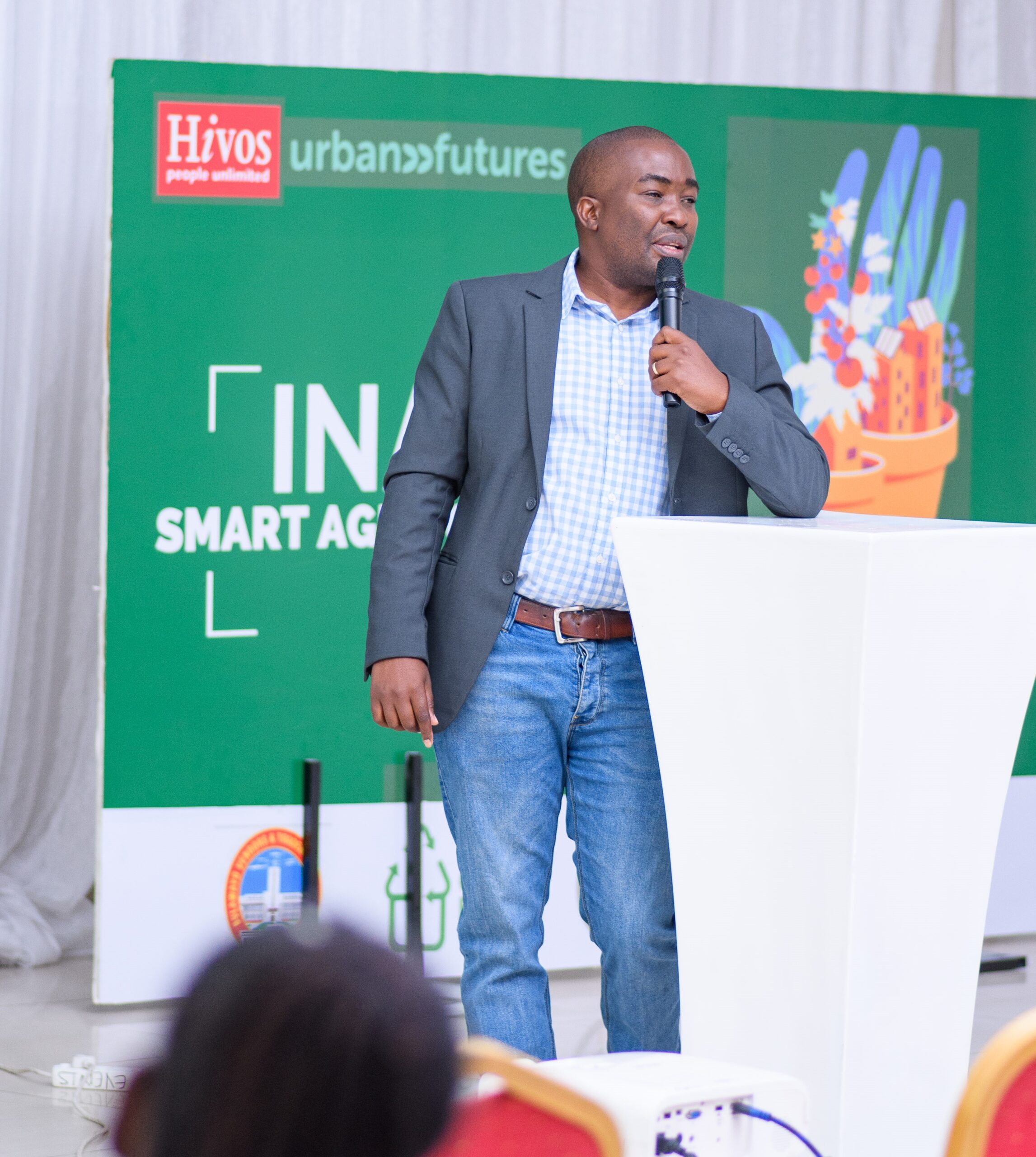
Urban Futures (UF) is a five-year global programme (2023–2027) working at the intersection of urban food systems, youth well-being, and climate action. The programme is funded by Fondation Botnar, managed by Hivos in collaboration with the RUAF Global Partnership on Urban Agriculture and Food Systems, and implemented with local partners, networks, and experts in each country.
Urban Futures is active in ten intermediary cities across five countries:
Cali and Medellín
Manabí and Quito
Bandung and West Manggarai
Chongwe and Kitwe
Bulawayo and Mutare
These cities are rapidly growing hubs that connect metropolitan and rural areas, manage flows of people, goods, and knowledge, and face unique challenges and opportunities in building sustainable, inclusive urban futures.
UF promotes innovative and inclusive food system approaches—including multi-stakeholder collaboration and city-region food systems—to improve access to sustainable, diverse, and nutritious food while enhancing urban food security.
According to its Theory of Change, the programme seeks to:
Influence and support the development and implementation of transformative urban food policies through multi-stakeholder platforms and youth movements.
Shape new narratives that reimagine inclusive, climate-resilient cities, inspiring behavioral change and sustainable consumption.
Enable young sustainable food entrepreneurs to thrive and mobilize financial flows toward inclusive, climate-resilient cities.
These objectives are supported by three cross-cutting priorities:
In Bulawayo, the Urban Futures Programme is implemented by a consortium of four partners:
Bulawayo Vendors and Traders Association (BVTA), Green Hut Trust, African Food Revolution (AFR), and the Unemployed and Vulnerable Founders Trust (UVFT), with Lupane State University serving as the technical partner.
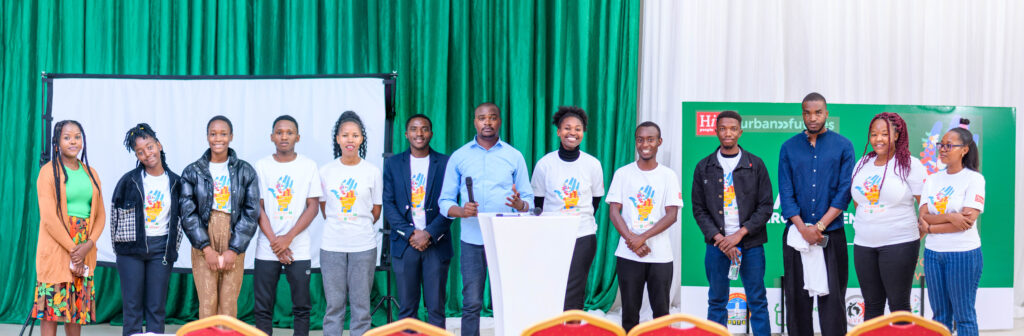
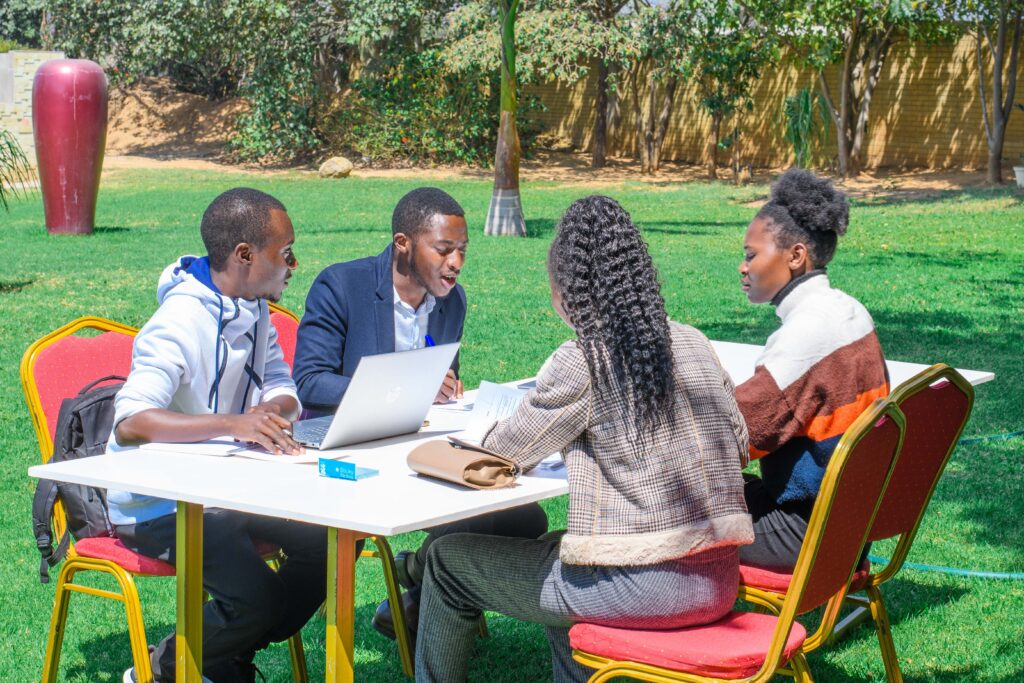
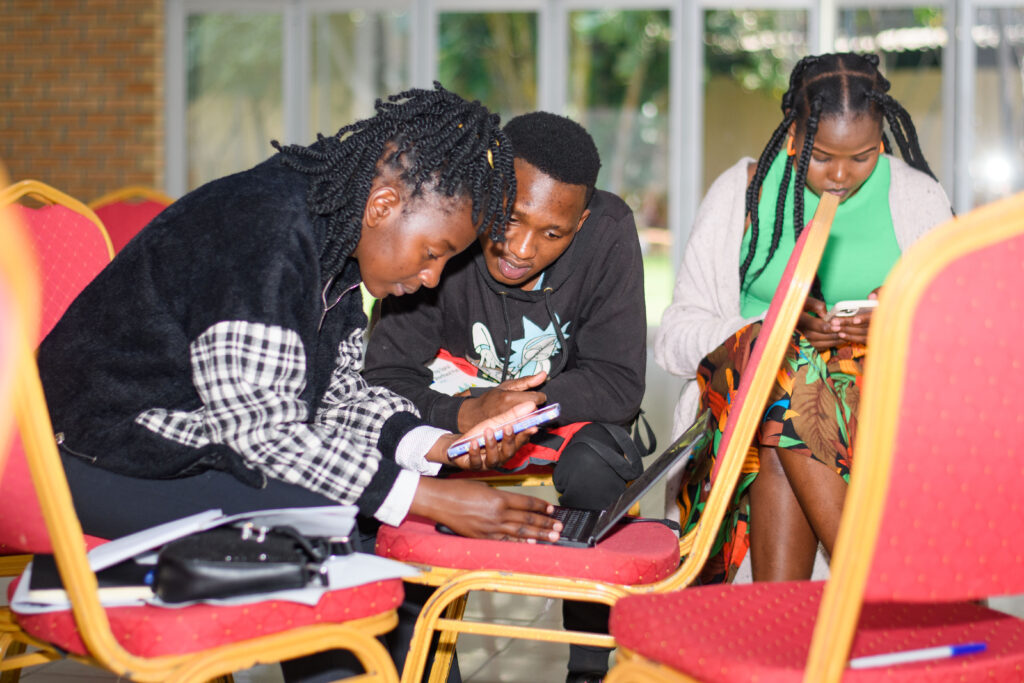
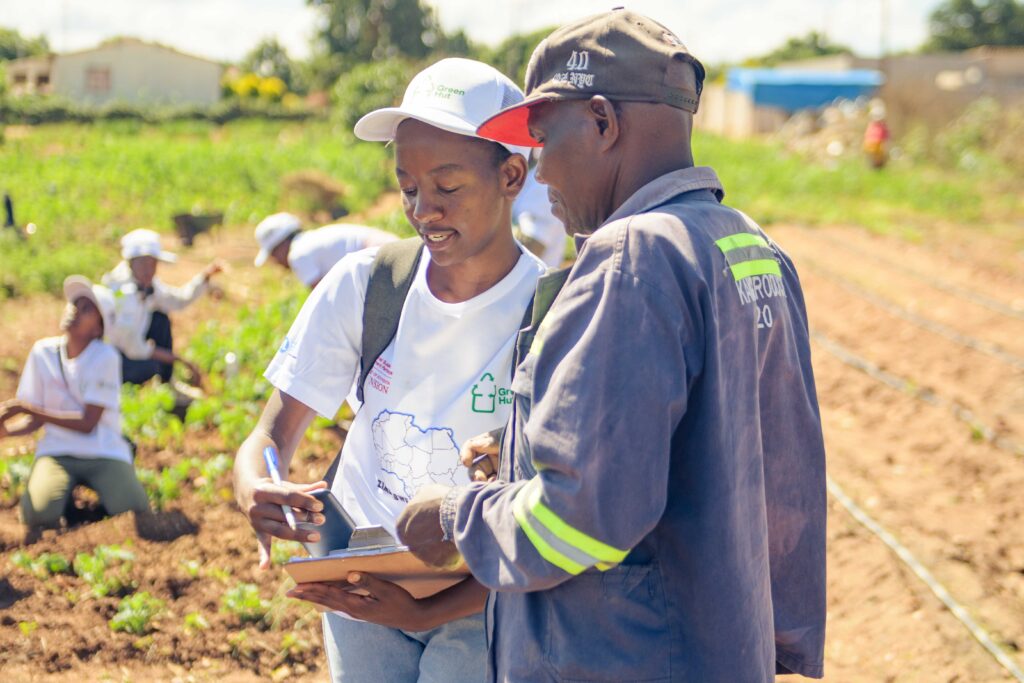
By involving young people early in sustainable food production, the initiative not only addresses immediate challenges but also cultivates a generation of environmentally conscious, climate-smart leaders shaping the city’s future.
The Hlanyela Youth Tree Guardians Initiative is a youth-led climate action project implemented by Green Hut Trust with support from the Youth Empowerment and Transformation Trust (YETT). The initiative promotes urban reforestation, environmental stewardship, and climate awareness among young people in Bulawayo.
Recognizing the urgent need for local climate action, the project empowers young people to take a hands-on role in greening their communities through participatory tree planting and climate education. It aims to nurture a generation of “Tree Guardians” — young leaders committed to protecting both the environment and their neighborhoods.
The Hlanyela Initiative proved that when young people are given the tools and knowledge to act, they become powerful agents of environmental change. The project strengthened youth engagement in climate action, encouraged collaboration between schools and communities, and showcased practical ways to link education with environmental responsibility.
By combining tree planting, mentorship, and climate literacy, Hlanyela contributes to a greener, more climate-resilient Bulawayo — one tree, one youth, and one school at a time.
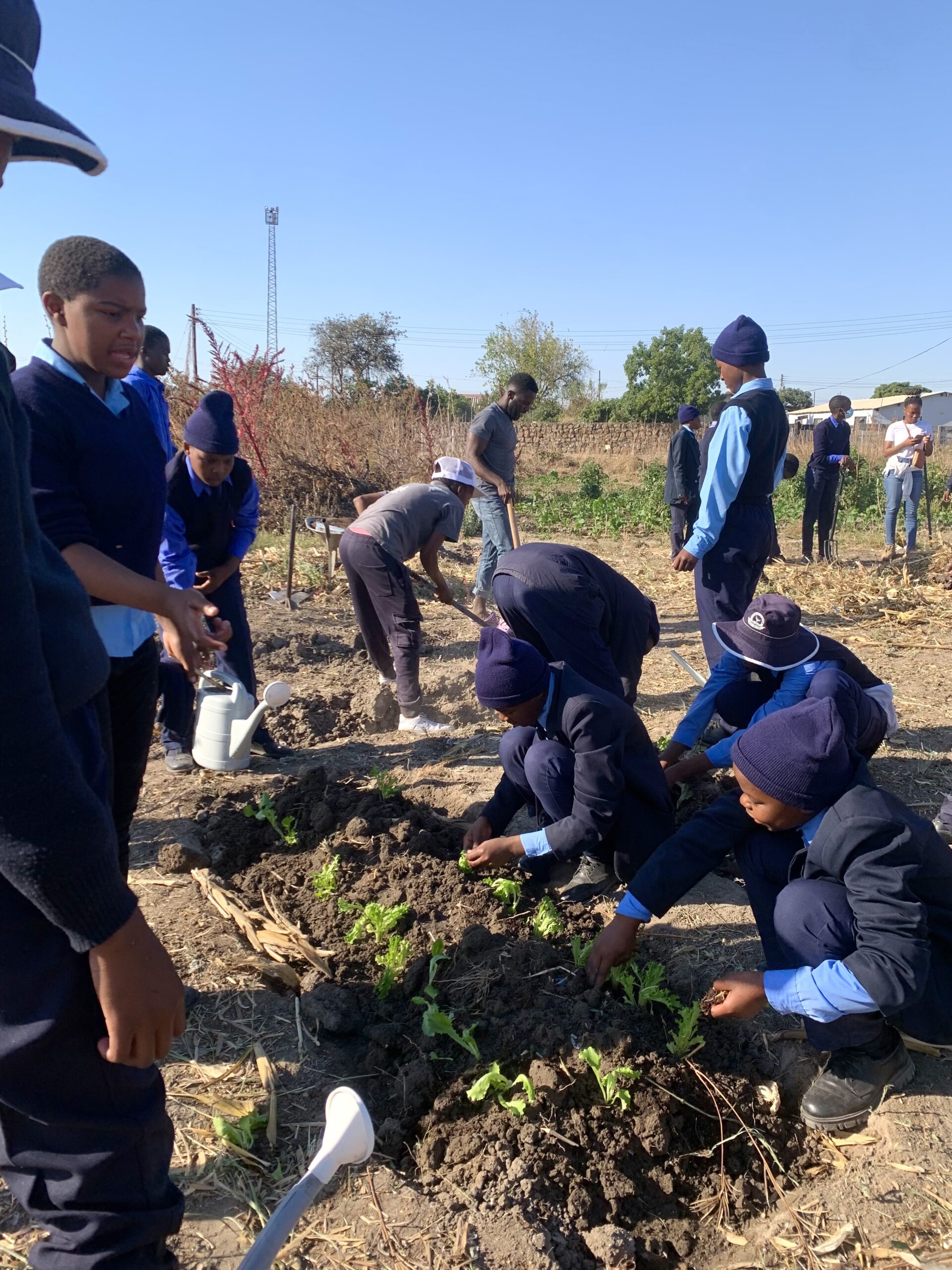
Students participated in tree-planting and climate learning sessions designed to link theory with practice.
Youths explored the science of climate change, the ecological value of trees, and practical techniques for tree planting and care.
Each participant received a Tree Planting Manual and was assigned a tree to maintain, fostering long-term responsibility and ownership.
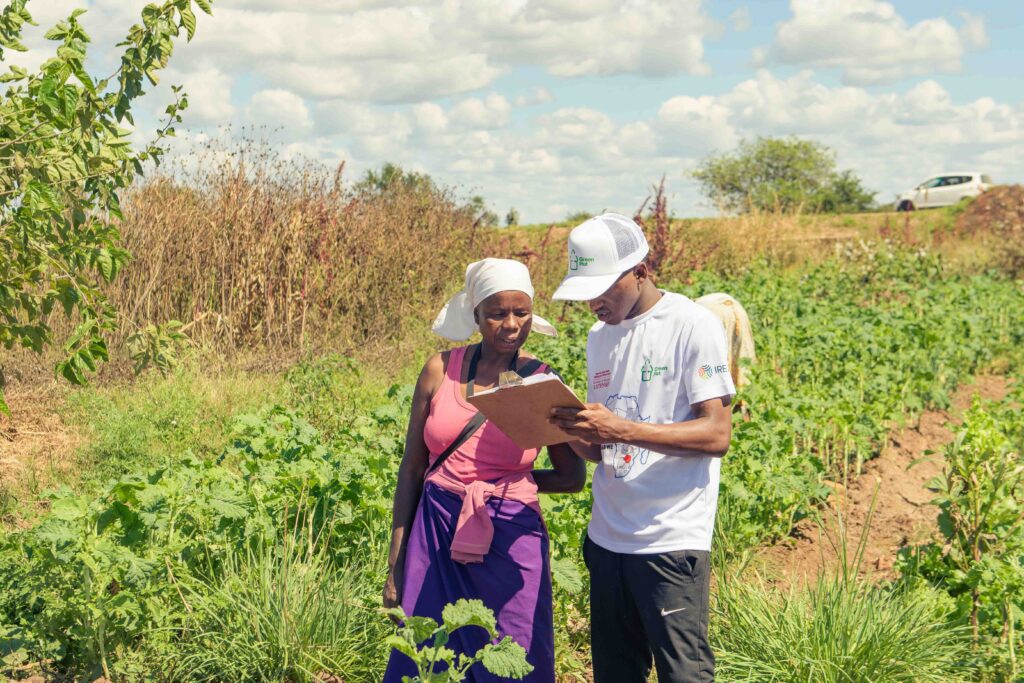
The Empowering Urban Farmers Project is a two-year initiative led by Green Hut Trust, supported through the Reciprocal Exchange Grant through the Mandela Washington Fellowship Program in collaboration with the University of Minnesota (UMN) Extension Program. The project aims to strengthen urban food systems in Bulawayo Metropolitan Province by promoting sustainable urban gardening, local food production, and tree planting.
Through this initiative, Green Hut Trust is working with communities in the city of Bulawayo to propagate 20,000 fruit trees to enhance household nutrition, increase income opportunities, and contribute to urban reforestation. In addition the program teaches communities in the city how they can utilize small spaces to grow their own food including varieties of vegetables, and herbs with inexpensive readily available materials . The goal of the project is to propagate 20 000 tree seedlings in the next 2 years which will be distributed across the city to improve tree cover. Additional.
The project’s Growers Program ensures continuity by fostering collaboration, knowledge exchange, and resource sharing among urban farmers. Partnerships with local authorities, NGOs, and agricultural extension services strengthen long-term technical support and policy linkages.
By linking practical training with community empowerment, this project is transforming Bulawayo’s urban spaces into hubs of sustainable food production and environmental stewardship.
planted and nurtured, contributing to Zimbabwe’s reforestation goals.
for urban farmers through produce sales and value addition.
among urban households through increased access to fresh fruits, herbs, and vegetables.
that anchor local resilience and promote continuous learning.
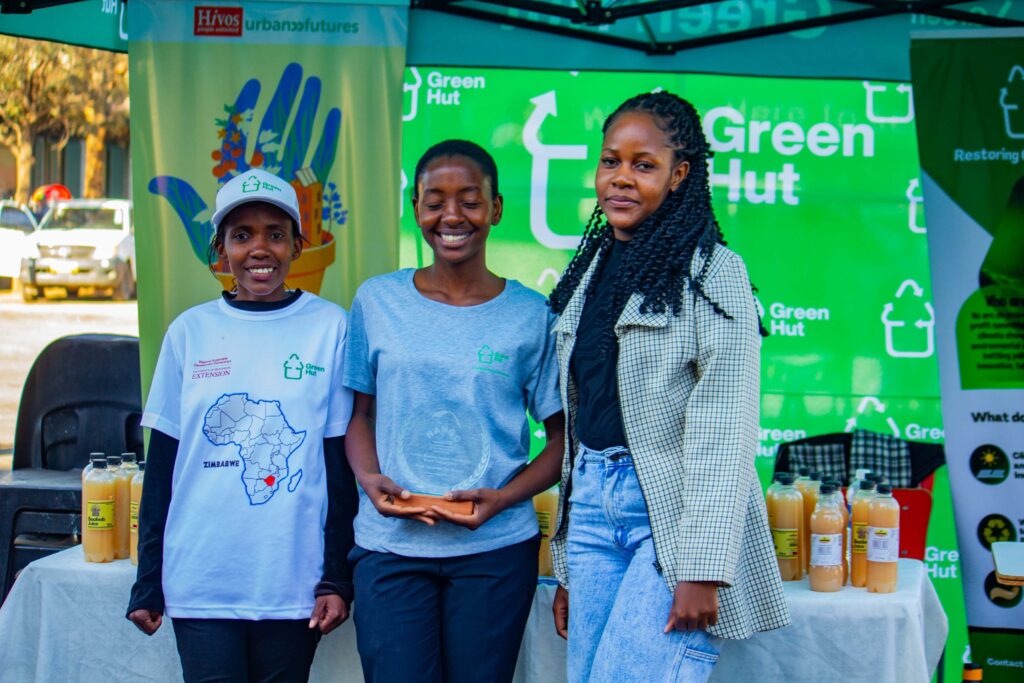
The Green Skills Entrepreneurship Programme equips young people with the knowledge, practical skills, and mindset needed to thrive in the green economy. Through mentorship, training, and hands-on learning experiences, the programme empowers youth to create sustainable livelihoods while contributing to climate action and environmental protection.
At a time when the world is transitioning from fossil-fuel-based systems to low-carbon economies, young people stand at the forefront of opportunity and responsibility. This initiative supports a just transition ensuring that the shift toward sustainability also promotes equity, inclusion, and decent work for all.
Young people receive practical training in green entrepreneurship, sustainable production, waste management, renewable energy, and climate-smart livelihoods.
The programme provides career guidance and connects participants with opportunities in emerging green sectors.
Participants engage directly with practitioners in various environmental industries, gaining real-world exposure and inspiration.
The programme promotes gender equality by actively involving young women and ensuring equal access to green skills training and entrepreneurship opportunities.
The Green Skills Entrepreneurship Programme envisions a generation of young, skilled, and environmentally conscious entrepreneurs leading Zimbabwe’s green transition. By fostering innovation, environmental stewardship, and sustainable enterprise, the programme builds pathways for youth to become agents of positive change and resilience in their communities.
The Living Wetland Project is an innovative environmental education initiative housed at the Museum of Bulawayo, designed to bring wetland ecosystems to life as an extension of the classroom. The project transforms learning into a hands-on experience where visitors—especially school learners—can see, touch, and understand the critical role wetlands play in sustaining biodiversity, filtering water, and regulating climate.
Developed under the Friends of the Museum, the Living Wetland is implemented through a dynamic collaboration between Green Hut Trust, WasteMoney (Pvt) Ltd, Ulwazi Technologies National Museums and Monuments of Zimbabwe, City of Bulawayo, BirdLife Zimbabwe, Matopo Conservation Society, Wildlife and Environment Zimbabwe (Matebeleland Branch), Bubye Valley Conservancy, WeCre8te Afrika, Rooted Crafthause, and several local artists and experts.
The exhibit features a constructed wetland using harvested rainwater, indigenous plants, interactive displays, and digital learning tools. Visitors can explore the ecosystem from an elevated viewing platform, engage with working models that simulate water flow and filtration, and access educational videos and signage in local languages.
As an interactive outdoor classroom, the Living Wetland not only complements formal education but also promotes public awareness, community stewardship, and appreciation of Zimbabwe’s unique wetland heritage. By merging science, art, and environmental education, this project inspires citizens of all ages to protect these vital ecosystems and contributes to national efforts toward sustainable environmental management.