Blog articles

Greening ZITF: Turning Waste into Opportunity at Zimbabwe’s International Trade Fair

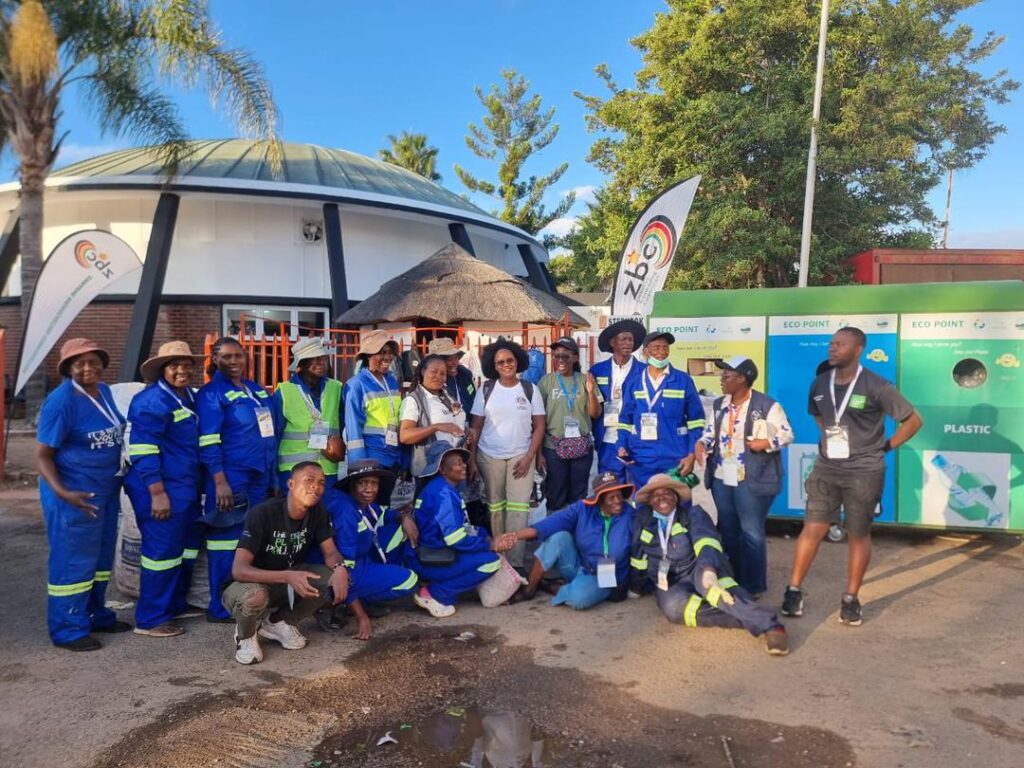
At the heart of Zimbabwe’s largest trade and investment showcase, something transformative was happening—not just in business halls and exhibition stands, but in the bins. During the 2026 Zimbabwe International Trade Fair (ZITF), Green Hut spearheaded the Greening ZITF – Circular Waste Initiative, a bold step toward redefining how large-scale events manage waste. What is typically seen as a by-product of progress—piles of mixed waste—was reimagined as an opportunity for sustainability, learning, and community action. The Zimbabwe International Trade Fair attracts thousands of visitors each year—exhibitors, delegates, and members of the public. While this makes ZITF a powerful platform for economic growth, it also generates significant volumes of waste, much of which is recyclable. Common waste streams include PET plastic bottles, aluminum cans, plastic packaging (LDPE,HDPE) and cardboard materials. Without proper systems in place, these materials are often mixed and sent to landfill, resulting in lost recycling opportunities and increased environmental pressure. The Solution: A Circular Approach Through the Greening ZITF initiative, Green Hut introduced a structured waste separation and recycling system at the exhibition grounds. The goal was simple but powerful: Diverting recyclable materials from landfill and promote sustainable waste management practices. The initiative focused on establishing labelled recycling points , deploying a dedicated waste collection and sorting team, separating waste at source into key recycable streams and raising awareness among exhibitors and visitors. All collected materials were sorted, quantified, and redirected into formal recycling systems, ensuring that waste became part of a circular economy rather than an environmental burden Powered by Partnerships The success of the initiative was driven by collaboration.Green Hut worked alongside Catholic Commission for Justice and Peace (CCJP), Inyathi High School Environmental Club and Green Hut volunteers.Together, this diverse team brought energy, commitment, and purpose to the initiative.For the students from Inyathi High School, this was more than just volunteering—it was a hands-on learning experience. They actively participated in waste sorting, engaged with the public, and embodied what it means to practice sustainability, not just talk about it. From Concept to Action: On-the-Ground Implementation The initiative deployed a structured operational system that included: Beyond waste collection, the team also ensured cleanliness around high-traffic areas, real-time sorting and temporary storage of recyclables, data collection on waste volumes.Importantly, the initiative also prioritised the safety and dignity of waste collectors, providing protective equipment and support throughout the exhibition . Changing Mindsets, One Interaction at a Time One of the most powerful aspects of the Greening ZITF initiative was its public awareness component through conversations at recycling points and direct engagement with the exhibitors and visitors.The initiative sparked important conversations around waste, responsibility, and sustainability.While challenges were encountered particularly around inconsistent waste separation by some attendees there were also encouraging signs of change. Visitors began arriving with pre-sorted waste, curious to learn more and eager to participate.These moments reinforced the notion that behaviour change starts with awareness, but it grows through engagement. Impact Beyond the Bins By the end of the exhibition, the initiative had diverted significant quantities of recyclable waste from landfill, improved cleanliness across the ZITF grounds,increased awareness of recycling and waste separation, strengthened collaboration between civil society, youth, and partners and generated valuable data on waste streams at large events. But beyond the numbers, the real impact was in demonstrating that sustainable waste management at large events is not only possible—it is practical and scalable. The Greening ZITF initiative was designed as a pilot model, with the potential to be replicated and scaled across Zimbabwe and beyond. It lays the foundation for: ZITF has now shown that it can be more than a trade fair—it can be a platform for sustainability leadership. Looking Ahead At Green Hut we believe that waste is not just something to be managed—it is something to be reimagined.The Greening ZITF initiative is a testament to what can happen when: As we look to the future, we remain committed to expanding this model, strengthening partnerships, and continuing to turn waste into opportunity. Because in the end—Yes, we can. And we did. ♻️

Greening ZITF: Turning Waste into Opportunity at Zimbabwe’s International Trade Fair Read More »
BRINGING THE HEAT TO WINTER: OUR GREEN HUT EXPERIENCE AT THE NANGO WESTERN REGION NGO EXPO & WINTER SCHOOL 2025

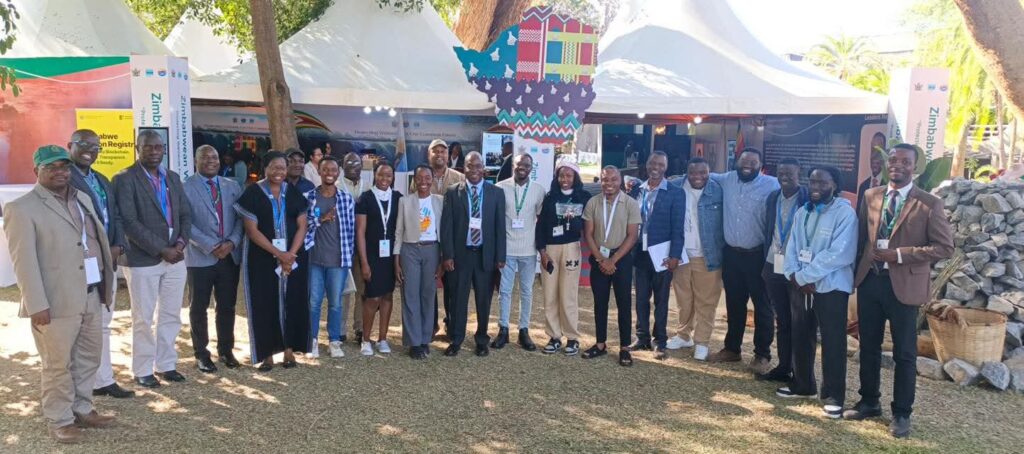
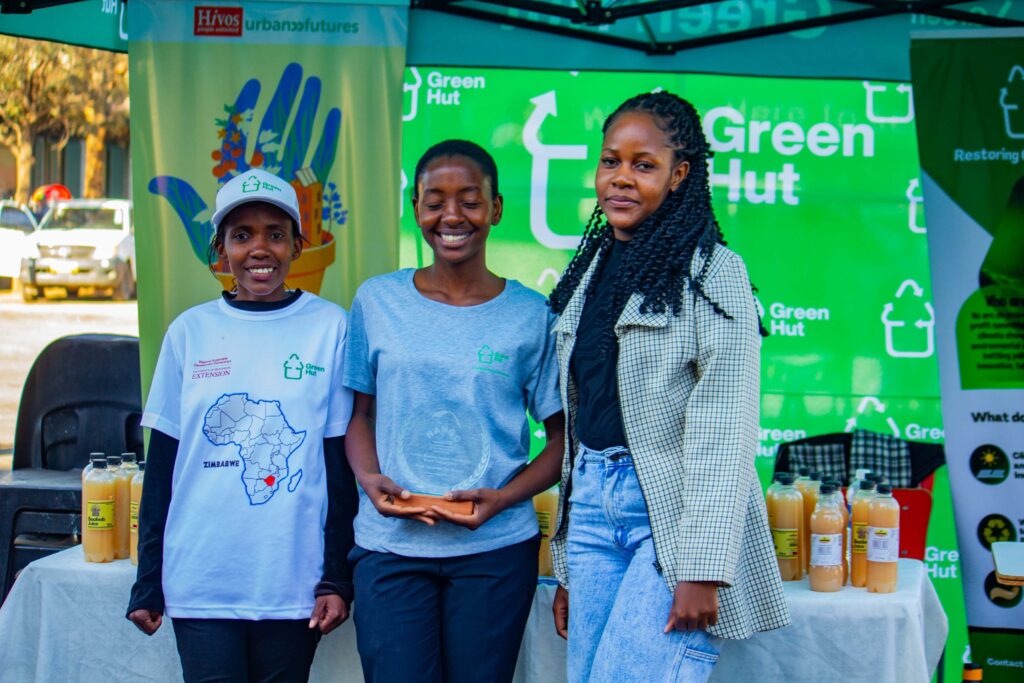
In our mission to restore the health of our planet, Greenhut Trust was honored to participate in the NANGO Western Region NGO Expo and Winter School 2025, held at City Hall in the heart of Bulawayo. The event brought together a diverse group of stakeholders, including leading NGOs, grassroots organizations, young innovators, and local residents all collaborating under one roof. For Greenhut, participation was not merely about presence; it was an opportunity to stand out and share our locally developed, youth-led climate innovations with a wider audience. We are proud to announce that we received the award for Best Innovative Stand, with special recognition to the GUQUKA team for their outstanding smart bin innovation, which was developed through the YCAF Bloomberg funding.    Our exhibition was more than just a stand; it was a dynamic hub of ideas, inventions, and impact. We showcased some of our most exciting projects designed to address local challenges through sustainable innovation. Our stand was brought to life by the energy and dedication of our incredible youth volunteers. From sharing the vision behind our projects to selling more than 70% of our indigenous juice stock from one of our partners African Food Revolution, they didn’t just represent Green Hut, they embodied it. These young change makers gained invaluable real-world experience in marketing, public engagement, and social entrepreneurship. As they confidently pitched our ideas to visitors, potential partners, and residents, it was a proud reminder of why we do what we do. The Expo also gave the organization the chance to build powerful new relationships. We connected with NGOs from across the region, shared ideas with residents, explored partnerships with various organizations. It brought about a strong sense of solidarity and purpose in every conversation. The Winter School workshops sparked ideas, challenged assumptions, and reminded us that the climate fight is a shared responsibility and youth are at the forefront of it. Winning Best Innovative Stand was a moment of celebration, but it was also a challenge to keep pushing, creating, and leading. We return from the Expo even more committed to developing accessible, community-based climate solutions, creating meaningful work and learning opportunities for young people, expanding our reforestation and food systems programs and build a greener, fairer, and more sustainable Zimbabwe. A huge thank you to NANGO Zimbabwe for organizing such a dynamic and inclusive event. To every visitor who stopped by our stand, we see you and we heard you. And to our team, our partners, and especially our youth volunteers, you are the future that we believe in. The future is green. The future is innovative. The future is youth-led. Let’s grow it together.

BRINGING THE HEAT TO WINTER: OUR GREEN HUT EXPERIENCE AT THE NANGO WESTERN REGION NGO EXPO & WINTER SCHOOL 2025 Read More »

Inala Smart Agro Challenge: Empowering Youth to Transform Urban Food Systems

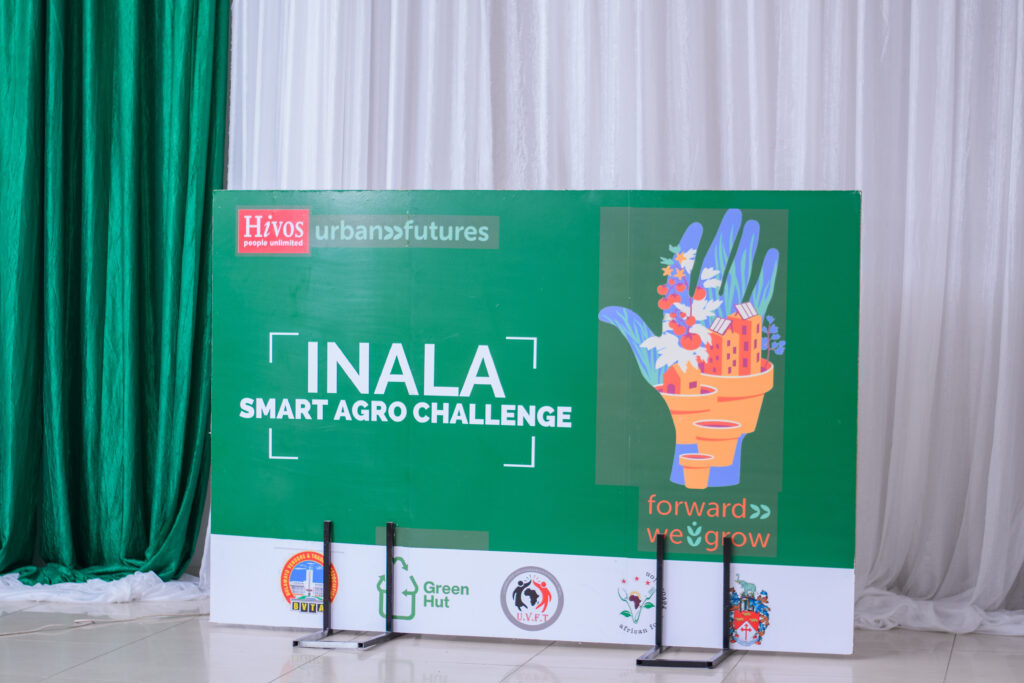
The Inala Smart Agro Challenge is a platform that unites young, innovative minds from diverse backgrounds to collaboratively develop solutions to the pressing challenges within Bulawayo’s urban food systems. This initiative is a component of the Urban Futures Project, which is currently being implemented in Bulawayo by a consortium comprising the Bulawayo Vendors and Traders Association, African Food Revolution, Unemployed and Vulnerable Foundation, and Green Hut, in collaboration with Hivos.The project seeks to foster inclusive, climate-resilient urban food systems, with young people at the center of its implementation. The event, hosted at Impala Events, opened with remarks from several speakers, all of whom underscored the critical importance of innovation and highlighted the transformative role of youth as the drivers of economic growth and sustainable change. Participants were divided into groups and tasked with solving specific challenges related to urban agriculture and food systems. The format encouraged creative problem-solving under time constraints, and the young innovators rose to the occasion. Out of five participating teams, two were selected as winners based on the strength, feasibility, and originality of their solutions. These teams were awarded monetary prizes, intended not just as recognition, but also as a means of testing their dedication to turning ideas into action. The challenge thus served as both an incubator and a springboard for youth led innovation in Bulawayo’s food systems. The two winning teams were advised to combine their innovations into a single solution, which they successfully did by creating a mobile application called Farm Link. Farm Link is a web-based platform designed to empower urban farmers in Bulawayo through data-driven insights, enabling them to optimize crop yields, improve access to markets, and enhance climate resilience in response to the increasing environmental challenges. The platform offers several key features, including the ability to connect with customers on a larger scale, access real-time market trends, and identify product demand and potential markets. Additionally, Farm Link serves as a hub for capacity building and knowledge sharing, offering courses on various modern farming techniques to help farmers improve their skills and stay informed. The journey did not end with the young participants pitching their ideas. After the Inala Innovation Challenge, the team behind Farm Link was provided with mentorship from industry professionals, including experienced web developers. This initiative was not only focused on enhancing the app but also aimed at equipping the young innovators with broader knowledge and practical skills that could benefit them in future ventures. To ensure the platform’s relevance and usability, the Farm Link team conducted field surveys with local urban farmers. This participatory approach fostered a sense of ownership among the farmers by involving them from the early stages of development. The feedback collected helped the team assess the platform’s effectiveness, determine necessary features, and identify aspects that needed refinement or removal ultimately shaping a solution that meets the real needs of its users. Most of the respondents were elderly individuals who primarily associated being online with using WhatsApp, rather than broader internet activities. This highlights a clear gap in digital literacy that should be carefully addressed in the website’s design and onboarding process. Despite some concerns about payment methods, the farmers were enthusiastic about the proposed features and expressed a strong desire to see the website developed. We eagerly anticipate the launch of the platform and hope it will not only benefit the farming community but also inspire other young people to innovate and create positive change.

Inala Smart Agro Challenge: Empowering Youth to Transform Urban Food Systems Read More »

Urban Futures Champion and her team shines at the Ramsar Heckathon

During the month of July 2025, Whitney Mudzingwa, an urban futures champion had the opportunity to represent youth voices at one of Africa’s most significant environmental gatherings, the Ramsar COP15 held in the stunning city Victoria Falls, Zimbabwe. The event featured a vibrant and competitive hackathon themed “Innovating for Wetlands: Local Action, Global Impact,” orchestrated by Elevate Trust. This engaging platform brought together young innovators from across Africa to collaborate on groundbreaking, science-based solutions rooted in community efforts for wetland restoration. The hackathon was a hybrid event, with an intensive online phase that led to a physical pitch at the COP15 in Victoria Falls. The program was designed to promote interdisciplinary collaboration, requiring teams of 3 to 5 members, each consisting of an innovator, a scientist or researcher, and a community leader or policy expert. Competing under the name EcoBytes, the group developed a mobile application called Wetland Guard, which aims to empower communities to protect and restore wetlands. This technology combines community action with a gamified incentive system. The goal is to enable citizens to report threats to wetlands, participate in restoration efforts, and earn rewards, transforming environmental stewardship into a collective and rewarding experience. Competing against 20 interdisciplinary teams from across the continent, the EcoBytes team reached the Top 5 finalists through mentorship, platform training, and sessions on team dynamics. They pitched their idea live at the COP15 event and secured second place. As a youth champion, this experience deepened Whitney’s commitment to environmental advocacy and positioned her and her teammates as active contributors to global environmental dialogue. Through Wetland Guard, they demonstrated that, with the right tools, local communities can become the most powerful protectors of their ecosystems. Whitney Mudzingwa has gained immensely from the Urban Futures project, which provided her with opportunities as an innovator to participate in various platforms. Through Urban Futures programs, such as the Inala Agro-Smart Innovation Challenge, she was able to collaborate with like-minded individuals and, along with her team, develop an application named Farmlink. Her confidence in pitching innovations has greatly improved through various mentorship programs, including the Wetskills Challenge, which she also participated in through Urban Futures. Young people hold the future, and it is impressive to see them take action towards building a better tomorrow.

Urban Futures Champion and her team shines at the Ramsar Heckathon Read More »

Poret; Creating a different breed of youths through Agro-Ecology

Poret, located at the heart of Chimanimani in Chaseyama Village has been doing tremendous work in keeping young people busy through Agro-ecology and equipping them with hands on skills. During an exchange visit organized by PELUM Zimbabwe, Greenhut trust had the opportunity to learn and share experiences with the young people from Chaseyama Vilage who each has a unique talent and role that they are playing in the community and contributing to Agro-ecology. Baba naMai Taronga, a young couple, are both very dedicated to implementing lessons acquired in agro-ecology through their farming practices. Climate change accompanied by low rainfalls was one of the contributing factors leading to them adopting sustainable practices such as water harvesting and farming small grain crops such as sorghum which are highly adaptive and require less water for growth. They have a 13m deep tank which they use to store their rain harvested water. Around the water harvesting pits, they planted the vavita plant which holds the soil together and helps avoid spillage of water from the pits. Their project which was started in 2022 faces mainly two challenges which are labor and the inconsistency in rainfall patterns. The couple is eager to come up with solutions to these challenges that will help in the smooth running of the project. The team visited Musidzwanda who is a young woman implementing small scale livestock rearing initiatives at her homestead. She began the project in 2022 and has since shown signs of growth and consistency. She is rearing chickens, turkeys, goats, ducks and hares. This project has been sustaining and assisting her family in so many various ways as seen by her being able to send her siblings to school where they acquired practical skills like building which they then showcased through building a place for the livestock.  Amongst the young people visited was also youths doing mushroom farming, value addition and others seed banking. Mushroom farming seems to be a bit challenging as there is a fine line between non poisonous and poisonous mushrooms. Any small mistake could be fatal but these young people have been taking the necessary steps in making sure it does not become poisonous and have been playing crucial roles in helping to sustain their families through mushroom farming and are successfully doing so.  Another major lesson missed by most individuals is that not everyone is cut out for the actual hands on farming in agroecology. We cannot all be farmers, we all beautifully complement each other with our variety of skills and knowledge. Some of the young people took it upon themselves to do advocacy work through print media. They make publicity materials such as tshirts using the little resources available to them and have been spreading awareness on Agroecology. Others are into carpentry and fence making which they then use to fence around their farms, gardens and places of work. Mr Mutape, the village head is also running a program on livestock management with young people being the main beneficiaries of the program. He was happy to be contributing in keeping the young people off the streets and giving them purpose. Most young people who are jobless and idle tend to turn to drug abuse and other harmfull practices which leave their lives without direction or making irreversible mistakes. These projects are having positive impacts and are helping shape up their community. These exchange visits are also vital not only for learning but also for inspiration and realizing  that everything is indeed possible. 

Poret; Creating a different breed of youths through Agro-Ecology Read More »

Youth Voices Rise at Zimbabwe’s Climate Change and Development Conference

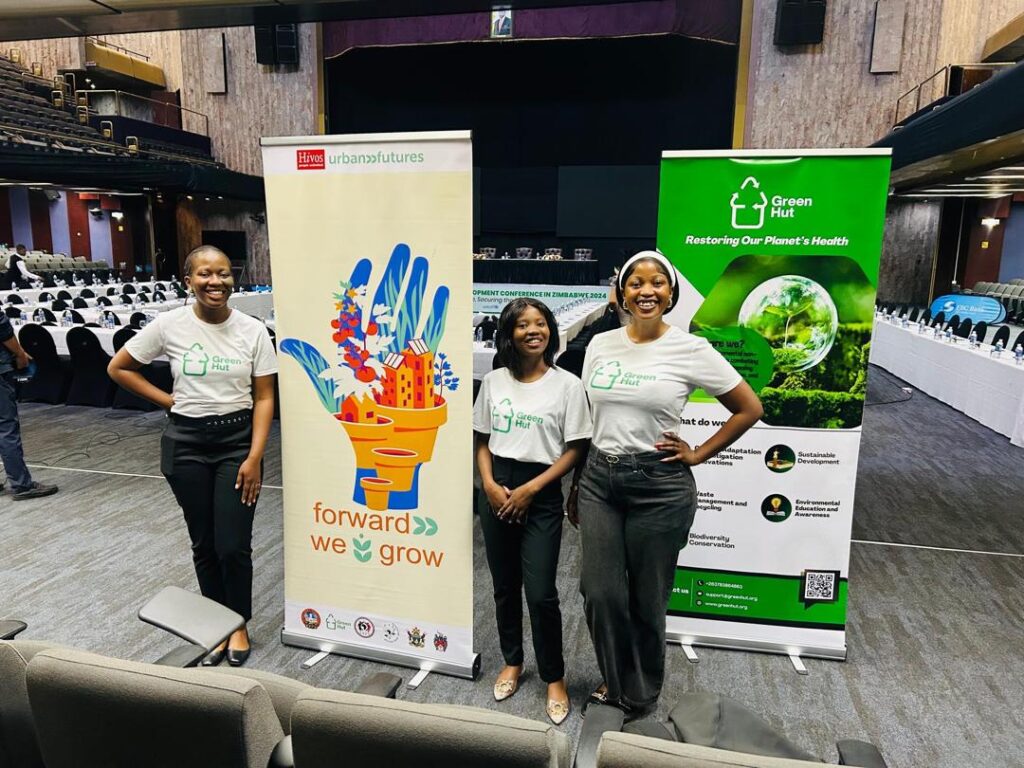
Harare, Zimbabwe – The Second Climate Change and Development Conference, held in Harare on October 2nd and 3rd, brought together stakeholders from across Zimbabwe to forge a roadmap for sustainable development in the face of climate change. Running concurrently with the Local Conference of Children and Youth (LCOY) 2024, the event highlighted the crucial role young people play in shaping climate action. The conference aimed to deepen understanding of the interconnectedness of climate change and development, foster inclusivity, address loss and damage, and ensure equitable access to climate finance. LCOY, with its “Catch them young” mantra, provided a platform for children and youth to contribute their perspectives and solutions to the climate crisis. Through interactive sessions and presentations, LCOY empowered young participants to become climate advocates and environmental stewards. The conference emphasized the importance of youth voices in shaping a sustainable future, recognizing that they are the inheritors of the planet. Key takeaways from LCOY included: Key recommendations from LCOY: A position paper was also drafted in preparation for COP29, demonstrating the commitment of Zimbabwean youth to contribute to global climate solutions. Green Hut Trust as part of the LCOY organizing team Green Hut Trust was proud to be part of the organizing team for this important event, representing both the organization and the Urban Futures project funded by Hivos. This project focuses on building climate-resilient urban food systems with young people as leaders. LCOY aligns perfectly with Green Hut Trust’s mission of bringing youth to the forefront of climate action and decision-making by recognizing thats youths are not just one of the most vulnerable groups to the impacts of climate change but also capable solution bearers. In preparation for COP 29, it is important to spotlight important agenda items to be prioritized by the Zimbabwean delegation. Side sessions were conducted to discuss some of these agendas which included climate finance, action for climate empowerment (ACE), carbon markets, transparency and agriculture as well as cross cutting issues. Youth experts such as Lisa Chitura from Environmental Rights Advocacy Trust , Mellisa Murwira from Young Volunteers of the Environment and Cinderella Ndlovu from Green Hut Trust shared their insights as COP negotiatiors and how young people can participate and hone their skills as climate change experts. Children from different schools in an around Harare participated in interactive activities which enabled them to also discuss and contribute to the children and youth statement on the sidelines of the conference. Nonkanyiso Gumede and Memory Masakara from Green Hut Trust who facilitated the children activities indicated how children where able to atticulate very well what they think should be prioritized when it comes to addressing the climate crisis in the country. Their contributions where very insightful and gave a unique perspective The Second Climate Change and Development Conference and LCOY 2024 marked a significant step forward in Zimbabwe’s journey toward a sustainable future. By empowering young people to become climate leaders, the event has laid the groundwork for a more inclusive and effective climate action strategy.

Youth Voices Rise at Zimbabwe’s Climate Change and Development Conference Read More »

IDALE LABOMAMA :  A GENDERED APPROACH TO CLIMATE RESILIENT BULAWAYO URBAN FOOD SYSTEMS

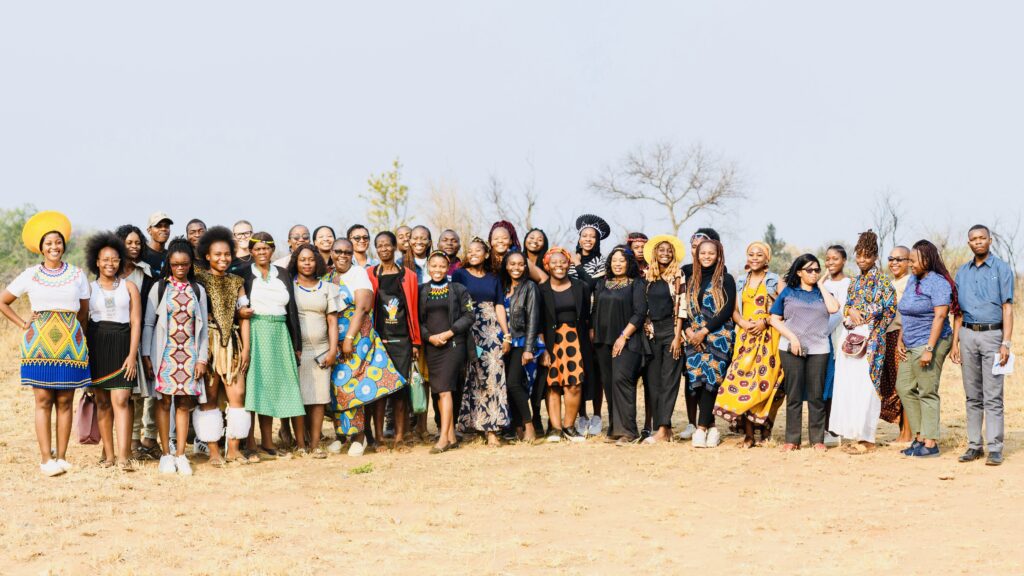
On Friday the 20th of September, Greenhut hosted IDALE LABOMAMA:A gendered approach to Bulawayo climate resilient urban food systems. The cultural event sought to bridge the knowledge gap in climate adaptation strategies in food systems at household level with a particular focus on women in Bulawayo. The activity came under the broader goals of the Urban Futures project being implemented by Greenhut and its consortium partners UVFT, AFR and BVTA. The project is funded by HIVOS. . IDALE LABOMAMA was hosted at Silwane nature reserve. The event consisted of an intergenerational dialogue and demonstrations on indigenous food preservation methods as a climate adaptation strategy for food security. The youths also discussed issues around the gender, climate change and food systems nexus while identifying barriers that hinder young women from effectively participating in the Bulawayo food value chain. . We had the honor of having FBC Bank come in to provide our youths with financial literacy training. Young people often have groundbreaking ideas but they tend to vanish into thin air when they had the greatest potential to flourish. This is because the financial part of their ideas is overlooked yet it is the most crucial in the success of any business. To counteract this challenge, Greenhut invited FBC to offer financial advice to the young people. Tapiwa, from FBC emphasized the need for youth to utilize tried and tested methods such as stokvels to raise money for their projects. She explained how FBC Bank has a savings account for stokvels which youths can make use of. She also gave them a list of financial pathways which are available for youths to access financing for their projects within the urban food value chain. . IDALE LABOMAMA, unlike most gender workshops offered practical lessons with the young people harnessing knowledge from the elderly. Most young people of the modern age lack the zeal to learn about indigenous foods but IDALE Labomama created an inter generational dialogue that was both educational and interesting to the youths and our elderly, golden girls. The IKS trainers NaSamu, Mrs Mkhwananzi and Mrs P Gumede were joined by Prince Sivalo ( Magriza Made Me Cook) and together they conducted demonstrative lessons on the traditional preservation techniques of household food such as cabbage, kale, beef , indigenous crops and fruits. They further explained the nutritional benefits of eating indigenous foods. The session was interactive as youths also tasted dried foods such as umhwabha while also taking turns to try out the methods of preparing vegetables for preservation. The lively process left many young people eager to go and try out the preservation methods at home. . Gwen Makulumo, a Greehut Urban Futures youth champion with a successful climate smart agribusiness gave a presentation to inspire her peers to take up space in the Bulawayo urban food value chain. She has successfully positioned herself in the Bulawayo urban food market through urban agriculture. Gwen makes use of SMART agricultural techniques such as drip irrigation and incorporates eco friendly methods through the use of composting and organic fertilizer. She grows cabbages, cauliflower, grapes, bell peppers and also keeps chickens. Gwen sells her produce to local supermarkets. She gave her peers a breakdown of her expenses and what’s required to get started in the business and how to scale up gradually as a way of showing them that it’s possible to get into urban agriculture with limited capital. . The theme being cultural wear, encouraged the upholding of our cultural heritage. Not only were young people learning, but getting to play dress up in cultural wear allowed them to show their creativity and understanding of their culture. Today’s generation has been robbed of the opportunity to tap into the minds of our elderly family members and this has encouraged the erosion of our culture. . IDALE LABOMAMA sought to bridge that gap by bringing the two generations together and having them share experiences and knowledge. The youth learnt about indigenous ways of food value addition methods, preservation and preparation methods. They also had a traditional lunch served with indigenous fruits as dessert. At the end of the workshop, each individual was given a mini recipe booklet curated by Prince Sivalo Mahlangu the brand owner of Magriza Made Me Cook. The recipe book contained popular traditional meal recipes such as isijeza/inopi and isathiyane as well as his special Umviyo porridge recipe.

IDALE LABOMAMA :  A GENDERED APPROACH TO CLIMATE RESILIENT BULAWAYO URBAN FOOD SYSTEMS Read More »

AUGUST NEWSLETTER

This month of August we celebrate International Youth Day. This year’s theme brings together two of the most pressing issues of our time: the digital revolution and climate action. As we celebrate the incredible potential of young people, we also recognize their unique ability to leverage digital tools to drive meaningful change in the fight against climate change. . In this issue, we celebrate our first cohort of chapter leaders who are making an impact in their communities and connecting our regional experiences through digital storytelling. . We also spotlight a key youth led project championed by greenhut which will make use of innovation and technology to transform the Bulawayo urban landscape. As we reflect on the challenges ahead, let this day serve as a reminder that today’s youth are not just future leaders; they are leading right now. Armed with digital innovation and a commitment to sustainability, they are paving the way toward a greener, more resilient world. . Click the link below to read our exciting August newsletter: https://drive.google.com/file/d/1ltSFxsK7zDvG-3SV0DVeh4Hs0alnY27-/view?usp=drivesdk

AUGUST NEWSLETTER Read More »

Sowing the seeds of a greener future: Greening Bulawayo Schools Tree planting Campaign

Support the Next Phase of Greening Bulawayo: Empowering a Green Future for Our Children Over the past two years, Green Hut Trust has been dedicated to fostering an environmentally conscious citizenry in Bulawayo. Through our extensive environmental education and awareness programs, we’ve reached thousands of students and community members, equipping them with the knowledge and skills to protect and nurture the environment. Why This Matters The environmental challenges facing our city and our planet are immense. From deforestation to climate change, these issues threaten the health, well-being, and future of our children. At Green Hut Trust, we believe that the key to addressing these challenges lies in education and community empowerment. By teaching young people about the importance of sustainability, conservation, and green practices, we are sowing the seeds for a brighter, greener future. What We’ve Achieved So Far The Next Phase: Greening Bulawayo As we look to the future, we are excited to launch the next phase of our efforts: the Greening Bulawayo Campaign. This initiative will build on our previous successes by focusing on urban greening, forest restoration, and continued environmental education in schools and communities. How You Can Help To bring this ambitious project to life, we need your support. Your donations will directly fund the establishment of more tree nurseries, the expansion of our educational programs, and the greening of urban spaces across Bulawayo. Why Your Support Matters Every contribution, no matter how small, makes a difference. By supporting the Greening Bulawayo Campaign, you are not only helping to plant trees but also investing in the future of our city’s children. You are helping to create a Bulawayo where green spaces thrive, where the air is clean, and where young people grow up with the knowledge and passion to protect our environment. Join Us in Creating a Greener Future We invite you to join us in this vital work. Together, we can empower the next generation of environmental stewards and ensure that Bulawayo remains a vibrant, green city for years to come. Your donation today will have a lasting impact on the environment and the lives of countless children. Donate Now and Make a Difference Help us continue our mission of raising an environmentally conscious citizenry in Bulawayo. Your support is crucial to the success of this project. Donate now to contribute and learn more about how your generosity can help make Bulawayo a greener, healthier place for all.

Sowing the seeds of a greener future: Greening Bulawayo Schools Tree planting Campaign Read More »

A Triumph in Climate Leadership: Cinderella Ndlovu’s Success Story and the Promise of Global Collaboration

At Green Hut Trust, we take immense pride in celebrating the remarkable achievements of our founder and Executive Director, Cinderella Ndlovu. Her recent selection for the prestigious Mandela Washington Fellowship is not just a personal victory but a testament to the transformative potential of visionary leadership in environmental sustainability. Forging a Path in Environmental Sustainability Cinderella Ndlovu, a dedicated environmental engineer from Zimbabwe, has always been at the forefront of climate action. As the founder and Executive Director of Green Hut Trust, her leadership has driven innovative initiatives to combat climate change and promote environmental stewardship across Zimbabwe. Her unwavering commitment has positioned Green Hut Trust as a beacon of hope and action in the field of environmental sustainability and climate action. In addition to her role at Green Hut Trust, Cinderella’s active involvement with the Rotaract Club of Matopos and her recent appointment to the Environmental Sustainability Rotary Action Group (ESRAG) board further illustrate her dedication to advancing global environmental goals. Her work with ESRAG highlights her commitment to leveraging international networks and resources to amplify the impact of her initiatives. Achieving Excellence: Mandela Washington Fellowship This year, Cinderella’s exceptional leadership and vision were recognized on a grand scale when she was selected for the Mandela Washington Fellowship, a distinguished program administered by IREX and supported by the U.S. Department of State. Out of over 40,000 applicants from across sub-Saharan Africa, Cinderella was among the 700 fellows chosen, with only 42 from Zimbabwe. The Fellowship offers an immersive six-week leadership curriculum at Florida Gulf Coast University, designed to refine leadership skills and provide innovative strategies for scaling impactful initiatives. Cinderella’s selection underscores the high regard in which her work is held and the significant potential for growth and influence through this esteemed program. Expanding Horizons: Professional Development and Global Impact Beyond the leadership training, Cinderella’s journey includes a professional development opportunity with the University of Minnesota Extension Regional Sustainable Development program. This experience will allow her to engage deeply with areas such as clean energy, agri-food systems, and climate change, equipping her with advanced skills and knowledge to enhance her work at Green Hut Trust. This international exposure presents a unique chance for Cinderella to integrate global best practices with local initiatives. It opens up exciting possibilities for regional and international collaborations, paving the way for innovative solutions to climate challenges that can be adapted and scaled across borders. Embracing Collaboration for a Sustainable Future Cinderella Ndlovu’s success story is more than an individual achievement; it represents a powerful opportunity for regional and international collaboration. The Mandela Washington Fellowship has not only recognized her exceptional leadership but also positioned her to foster partnerships and share insights with a global network of change-makers. At Green Hut Trust, we are enthusiastic about the potential for expanded collaboration that Cinderella’s fellowship experience brings. By connecting with global leaders, experts, and organizations, we can drive forward impactful climate solutions and share knowledge that transcends geographic boundaries. This aligns with our mission to create a sustainable future through innovation, collaboration, and leadership. Cinderella’s journey is a shining example of how investment in leadership and international exchange can elevate local initiatives to achieve global impact. As we celebrate her accomplishments, we look forward to the new opportunities for collaboration and growth that her fellowship experience will undoubtedly bring. In closing, Cinderella Ndlovu’s story is a testament to the power of visionary leadership and the potential for global collaboration to advance environmental sustainability. As we continue to support and celebrate her achievements, we are excited about the future possibilities that lie ahead for Green Hut Trust and our partners in the global effort to combat climate change.

A Triumph in Climate Leadership: Cinderella Ndlovu’s Success Story and the Promise of Global Collaboration Read More »