
Poret, located at the heart of Chimanimani in Chaseyama Village has been doing tremendous work in keeping young people busy through Agro-ecology and equipping them with hands on skills. During an exchange visit organized by PELUM Zimbabwe, Greenhut trust had the opportunity to learn and share experiences with the young people from Chaseyama Vilage who each has a unique talent and role that they are playing in the community and contributing to Agro-ecology.
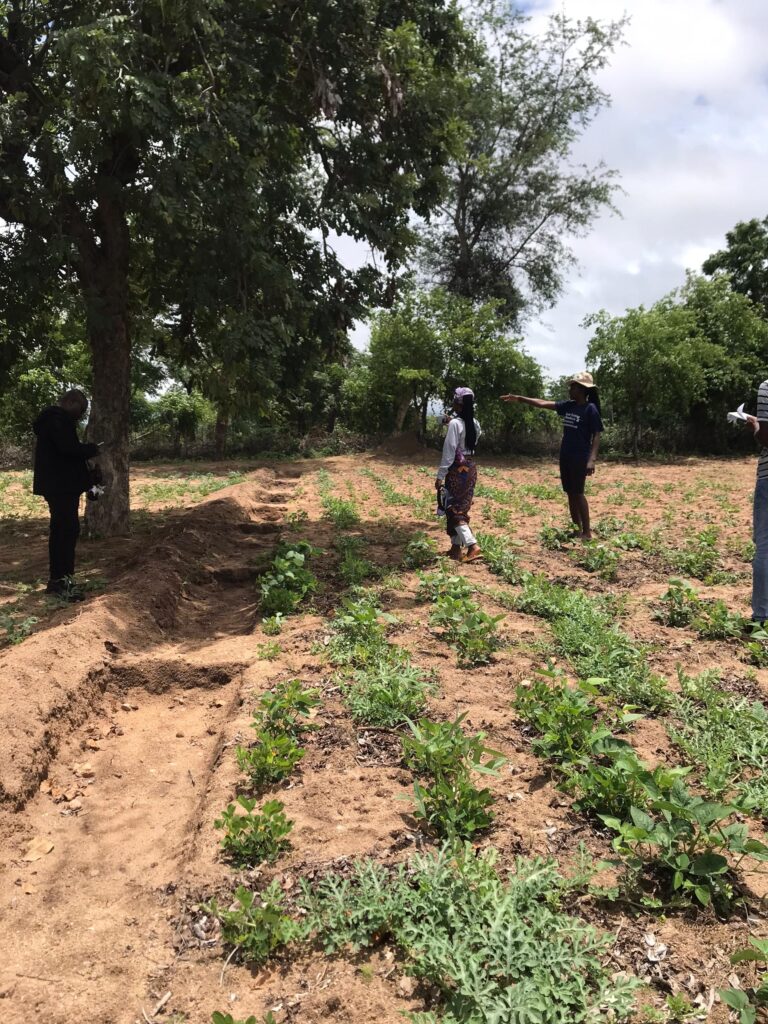
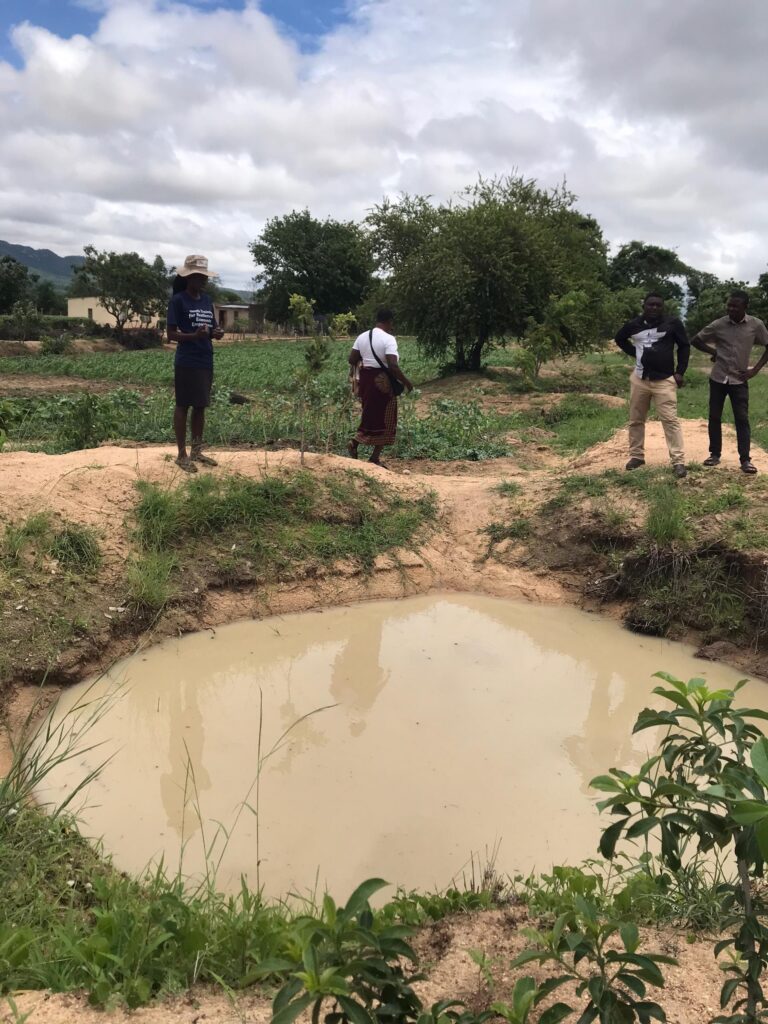
Baba naMai Taronga, a young couple, are both very dedicated to implementing lessons acquired in agro-ecology through their farming practices. Climate change accompanied by low rainfalls was one of the contributing factors leading to them adopting sustainable practices such as water harvesting and farming small grain crops such as sorghum which are highly adaptive and require less water for growth. They have a 13m deep tank which they use to store their rain harvested water. Around the water harvesting pits, they planted the vavita plant which holds the soil together and helps avoid spillage of water from the pits. Their project which was started in 2022 faces mainly two challenges which are labor and the inconsistency in rainfall patterns. The couple is eager to come up with solutions to these challenges that will help in the smooth running of the project.
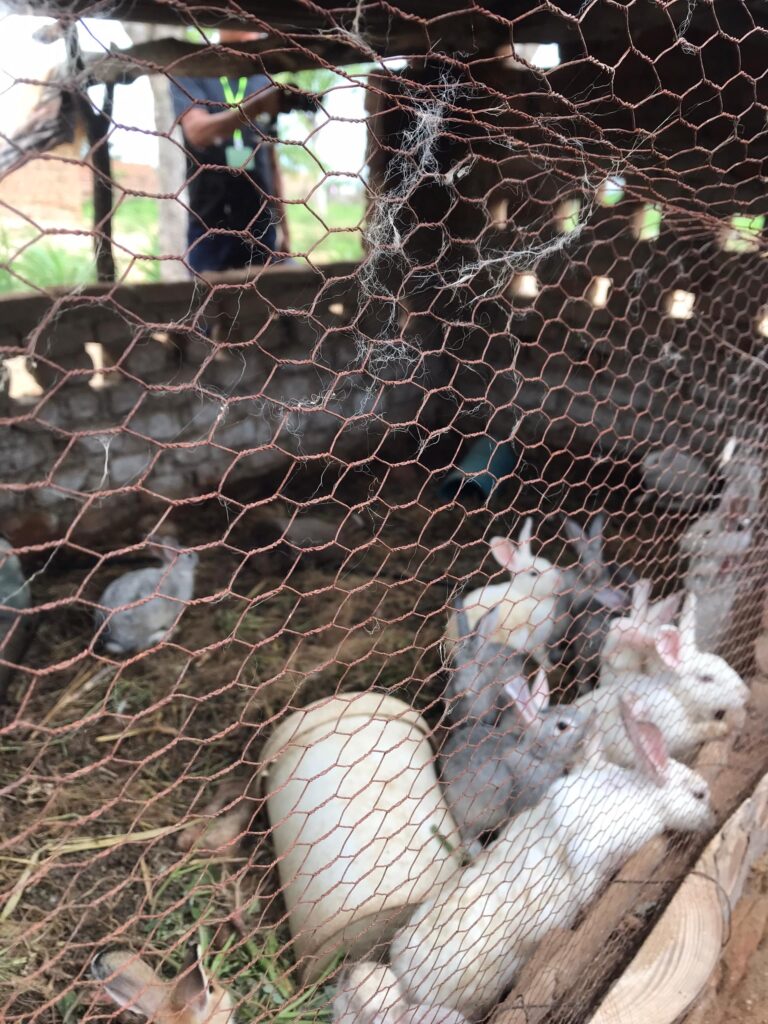
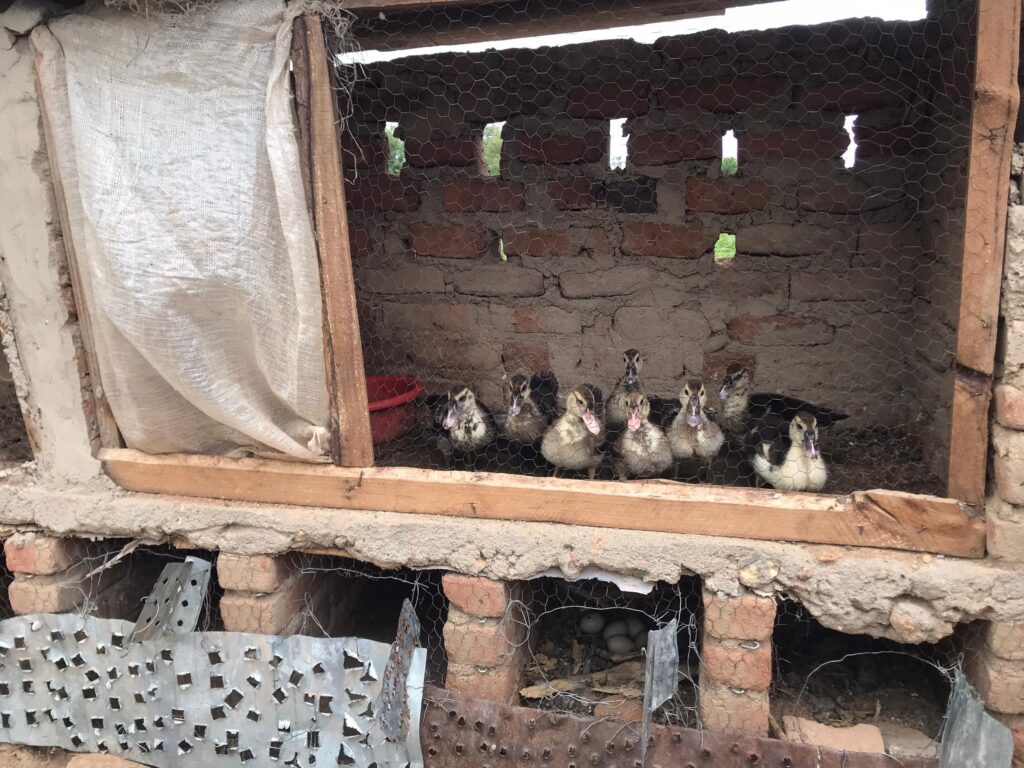
The team visited Musidzwanda who is a young woman implementing small scale livestock rearing initiatives at her homestead. She began the project in 2022 and has since shown signs of growth and consistency. She is rearing chickens, turkeys, goats, ducks and hares. This project has been sustaining and assisting her family in so many various ways as seen by her being able to send her siblings to school where they acquired practical skills like building which they then showcased through building a place for the livestock.
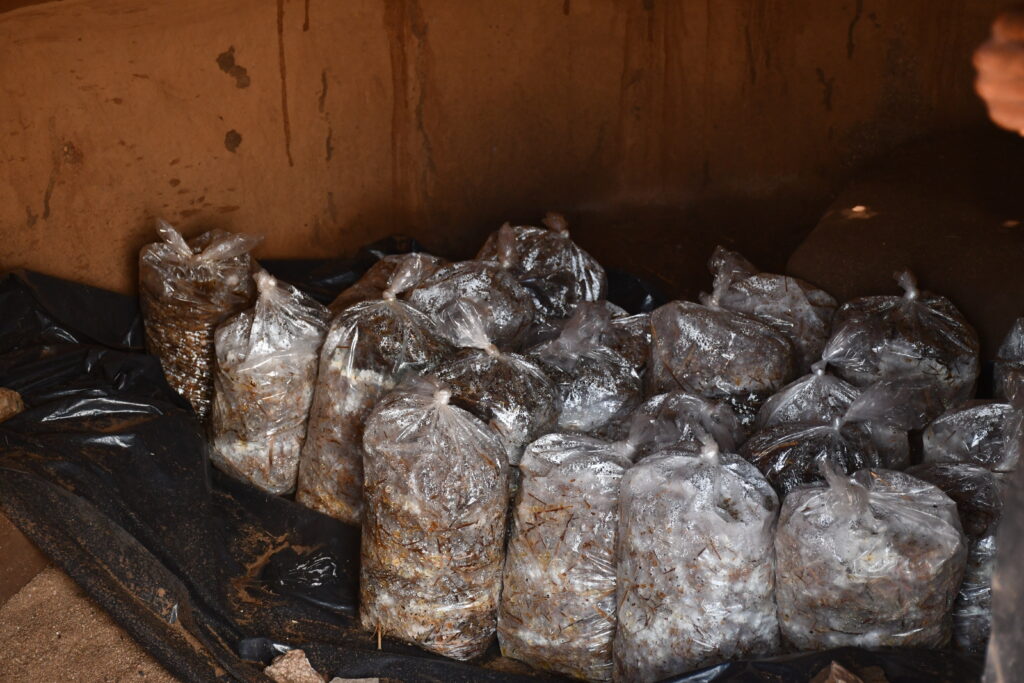
Amongst the young people visited was also youths doing mushroom farming, value addition and others seed banking. Mushroom farming seems to be a bit challenging as there is a fine line between non poisonous and poisonous mushrooms. Any small mistake could be fatal but these young people have been taking the necessary steps in making sure it does not become poisonous and have been playing crucial roles in helping to sustain their families through mushroom farming and are successfully doing so.
Another major lesson missed by most individuals is that not everyone is cut out for the actual hands on farming in agroecology. We cannot all be farmers, we all beautifully complement each other with our variety of skills and knowledge. Some of the young people took it upon themselves to do advocacy work through print media. They make publicity materials such as tshirts using the little resources available to them and have been spreading awareness on Agroecology. Others are into carpentry and fence making which they then use to fence around their farms, gardens and places of work.
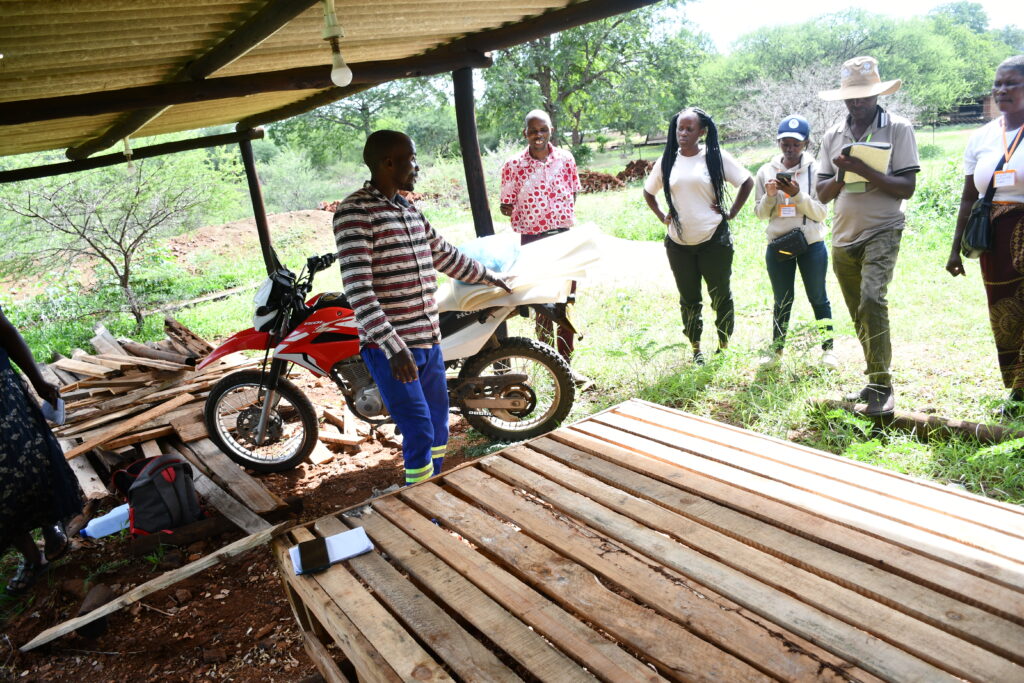
Mr Mutape, the village head is also running a program on livestock management with young people being the main beneficiaries of the program. He was happy to be contributing in keeping the young people off the streets and giving them purpose. Most young people who are jobless and idle tend to turn to drug abuse and other harmfull practices which leave their lives without direction or making irreversible mistakes. These projects are having positive impacts and are helping shape up their community. These exchange visits are also vital not only for learning but also for inspiration and realizing that everything is indeed possible.