
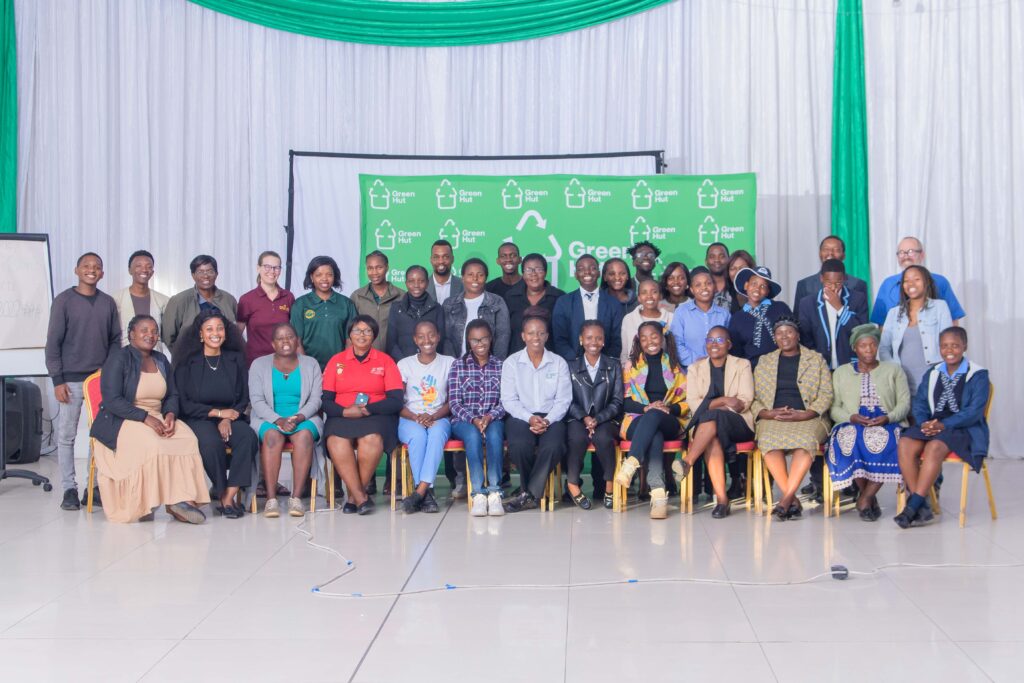
In the heart of Bulawayo, Zimbabwe’s second-largest city, a powerful movement is beginning to bloom—one that places food security, climate resilience, and grassroots innovation at the center of community development. This momentum was set in motion through a five-day Urban Farming Workshop, hosted by Green Hut Trust in partnership with the University of Minnesota Extension – RSDP, and made possible by the Mandela Washington Fellowship Reciprocal Exchange Grant.
This workshop wasn’t just a training program—it marked the beginning of a long-term vision to build resilient food systems and sustainable livelihoods through urban gardening, herb propagation, and tree planting. It brought together farmers, youth, educators, entrepreneurs, and environmental professionals to exchange knowledge, share experiences, and lay the foundation for a community-led Growers Program.
A Collaborative Exchange Across Continents
The workshop was the product of a cross-continental collaboration between Cinderella Ndlovu, Director of Green Hut Trust and Mandela Washington Fellow, and her professional development colleagues from Minnesota—David Abazs and Constance Carlson. The two traveled from the United States to co-facilitate the sessions in Bulawayo, bringing with them years of experience in sustainable farming and community-led agroforestry from their work with the University of Minnesota Extension RSDP.
Participants came from diverse backgrounds. Among them were urban farmers from Bulawayo, high school students from agroecology clubs, youth-led community groups, municipal representatives, and professionals from the food and environmental sectors. What united them was a shared commitment to rethinking how food is grown, shared, and sustained in urban spaces.

A Week of Practical Learning and Shared Purpose
The workshop kicked off with an introduction to the program , its objectives and a series of inspiring presentations on Day 1, highlighting the importance of urban agriculture in enhancing local food security, insights into tree planting programs, and reflections on Project Guquka’s findings, a Green Hut project funded by Bloomberg Philantrophies through the Youth Climate Action Fund which sort to understand the perceptions of the public and their willingness to have exotic trees in the CBD replaced with adaptive native tree species. David Abazs shared experiences from Minnesota’s assisted forest migration and farmer-led tree growing programs, offering thought-provoking parallels for Zimbabwe’s own climate resilience journey. Elizabeth Chauke a Forestry Commission representative unpacked the role of forests in promoting food security in Zimbabwe and the need for more tree planting initiatives as part of efforts to curb ongoing deforestation and environmental degradation. Participants got to discuss some native tree species and their uses , a testament to their in-depth knowledge about some of the local trees.
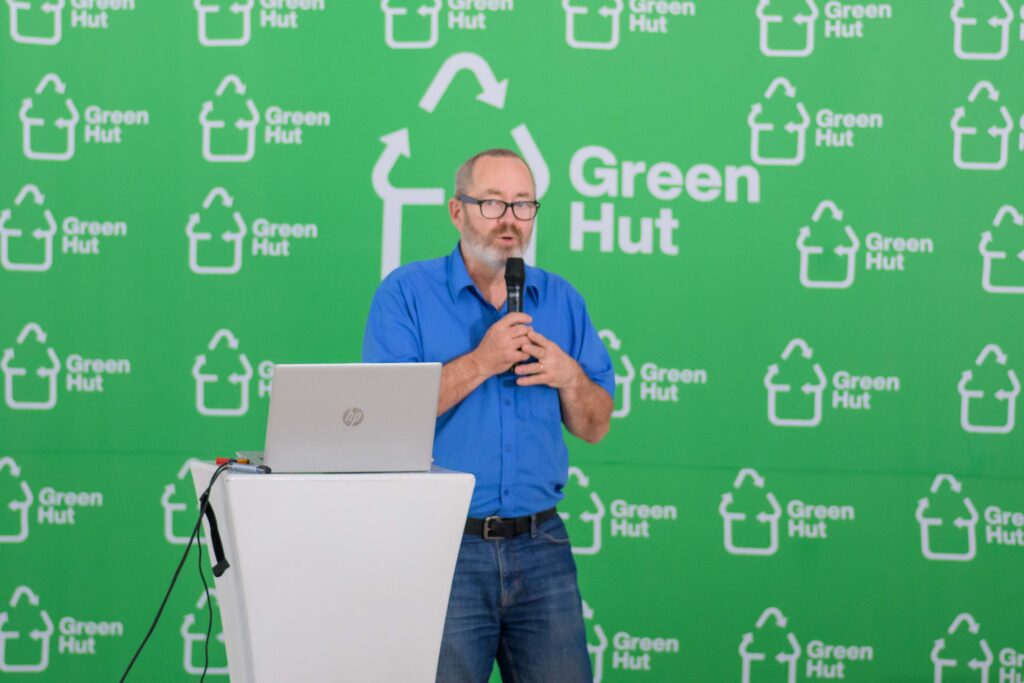
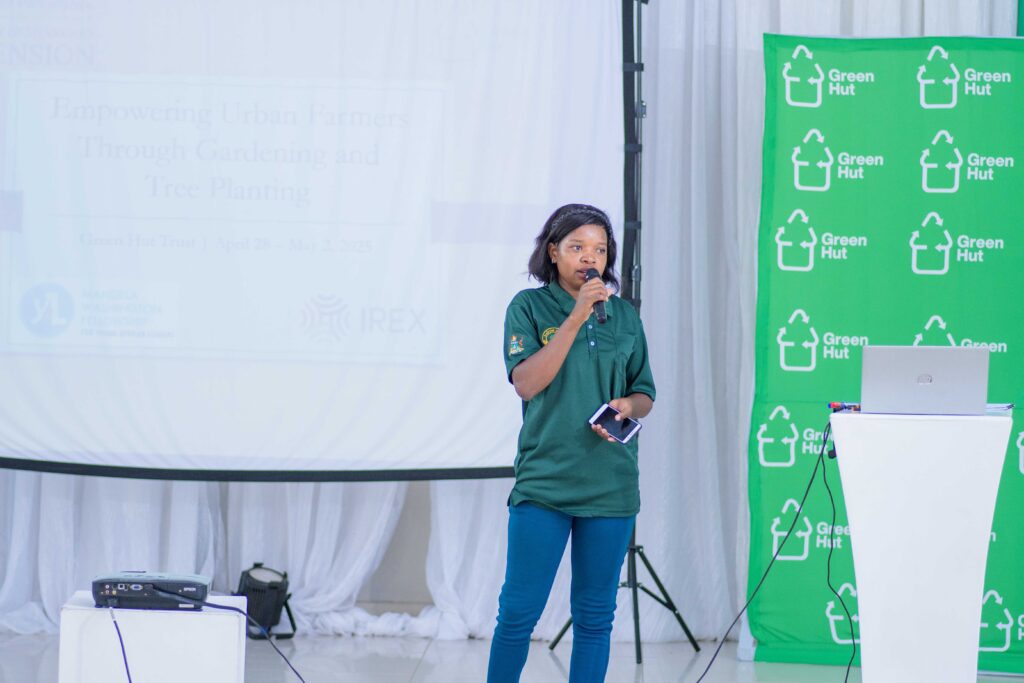
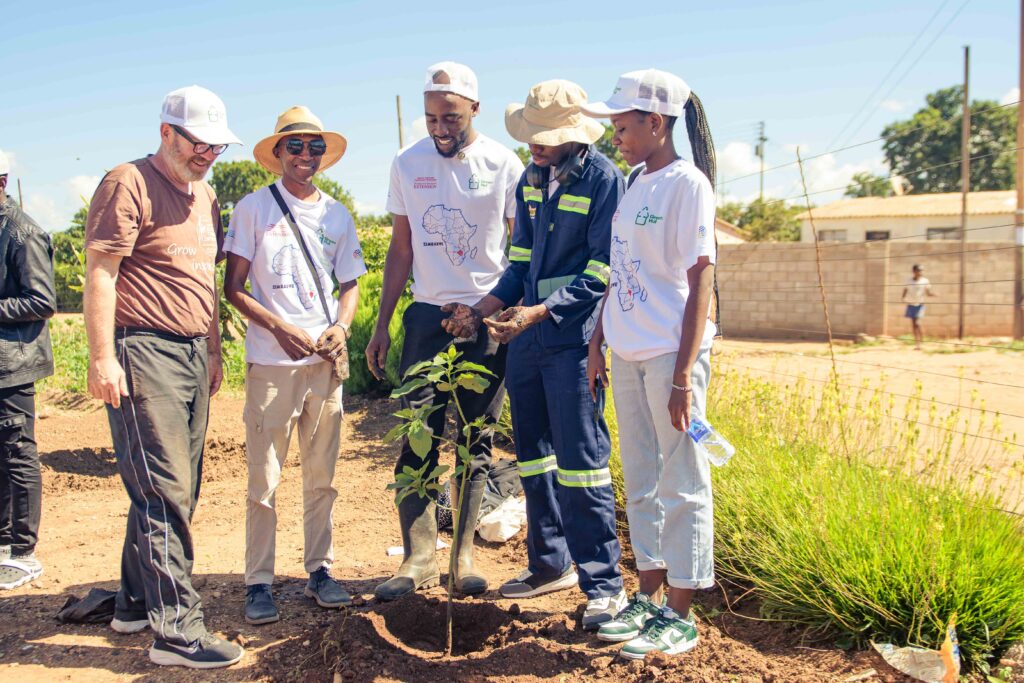
Day 2 was entirely hands-on. Held at Lotshe Primary School and was facilitated by Sukoluhle Ndlovu and Dingani Ndlovu , permaculture and Agroforestry experts from an organization known as Environmental Health Excellence. The day was dedicated to practical skills like nursery establishment, seed propagation, soil health management, composting, and advanced techniques such as grafting, budding, and layering. The emphasis was on using permaculture and agroforestry techniques to create thriving food production spaces within the city of Bulawayo. David and Constance got to plant a Bird Plum tree at the school which in the Zimbabwean culture signified welcoming them to the community.
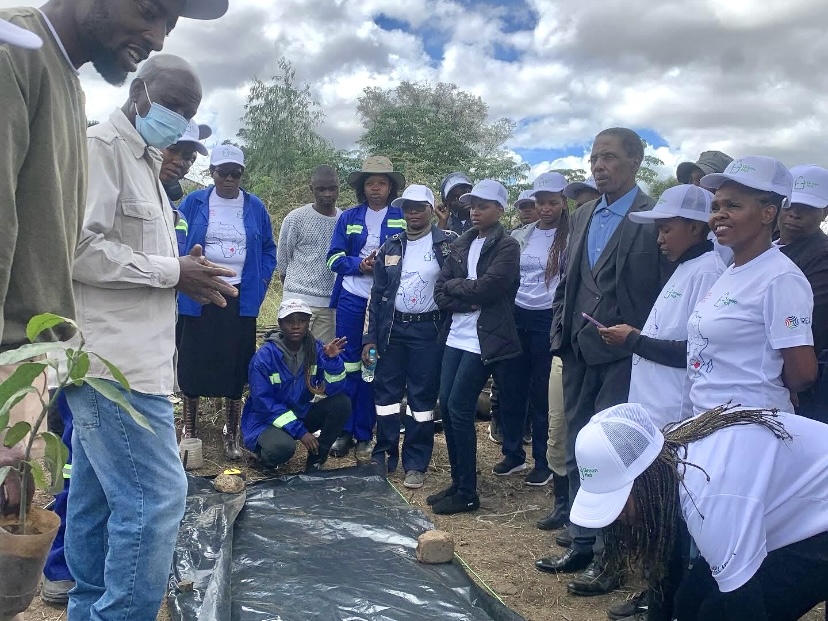
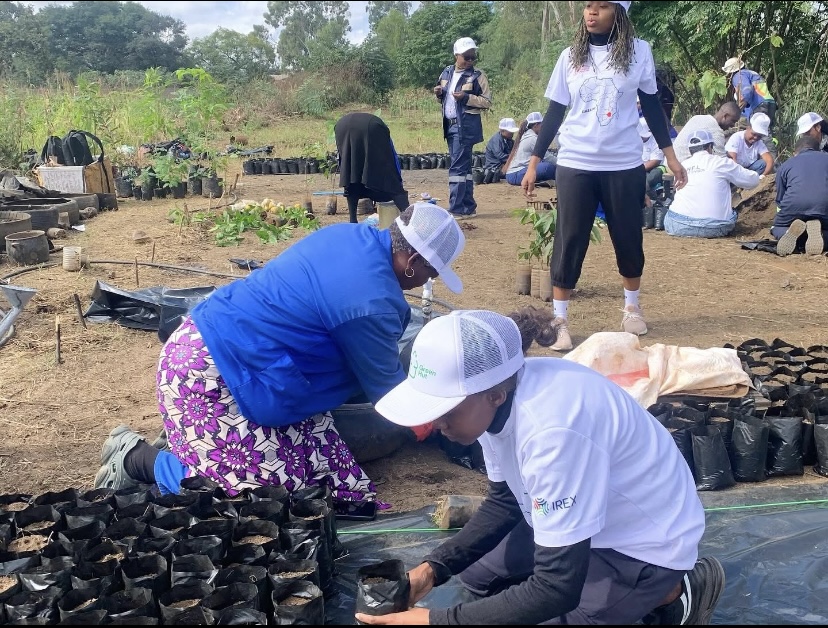
The third day took participants across the city to see urban farming in action. The first stop was Sizinda Green Gardens, where farmers showcased their thriving vegetable plots and shared their challenges and successes. Participants planted 22 fruit tree species to introduce agroforestry and permaculture into the garden’s operations. Plans are already underway to establish a local fruit tree nursery there.
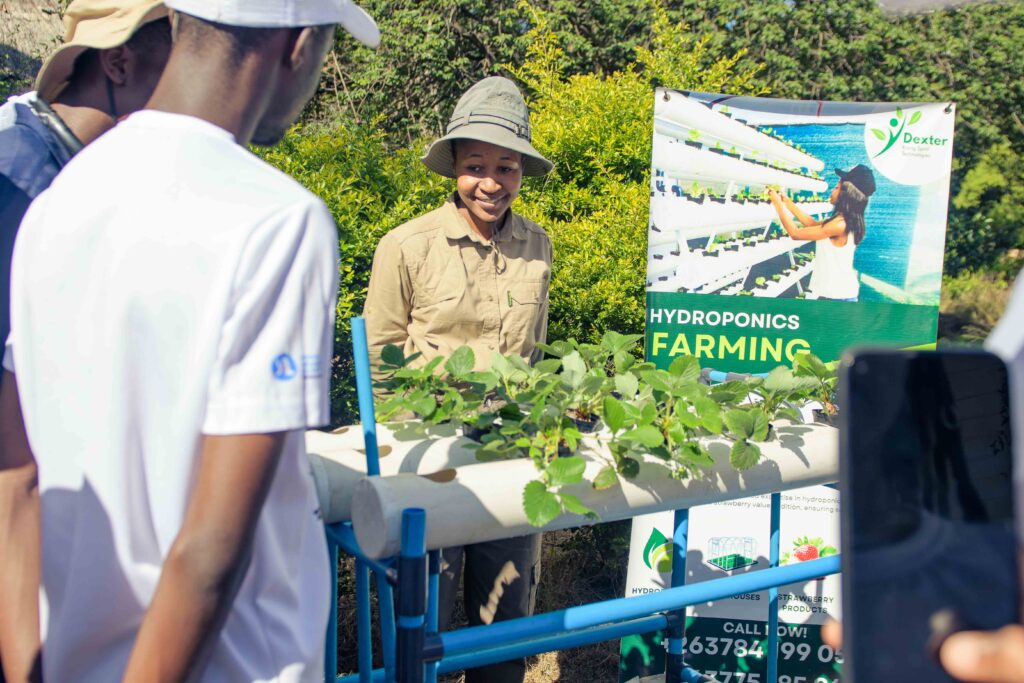
Later, the group visited African Food Revolution, where they learned to add value to indigenous fruits by making juices, ice cream, and sauces from Makhosi Mahlangu. The team then proceeded to Ulwazi Technologies, where participants were introduced to wastewater recycling using sand filters by Mthokozisi Moyo—highlighting the critical role of water conservation in agriculture. A young innovator, Fikile Ncube, impressed the group with her hydroponics setup, demonstrating that with creativity and determination, even limited resources can produce abundance.
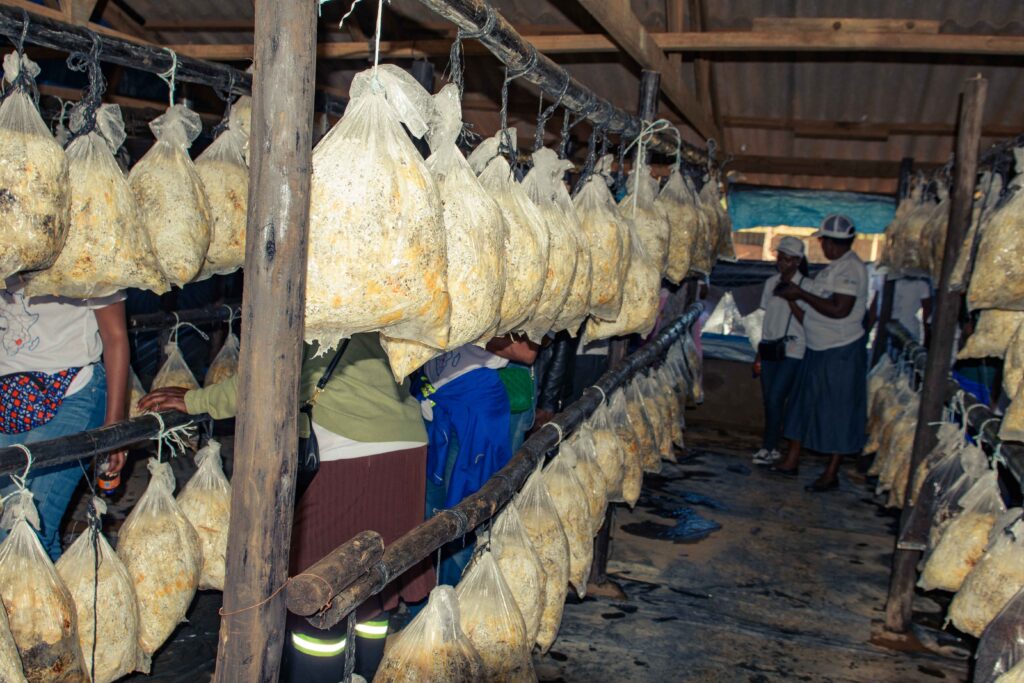
The day concluded with a visit to a mushroom farm, where participants learned how to cultivate mushrooms safely and sustainably from Colet Nyakunu. The farmer explained the process of working with spores and managing humid conditions, while encouraging participants to explore this high-value crop as a viable income stream.
On Day 4, participants reflected at home, consolidating their learning and preparing their post-workshop action plans. It was a moment for introspection—an opportunity to think about how the new knowledge could be applied to transform their own spaces and communities.
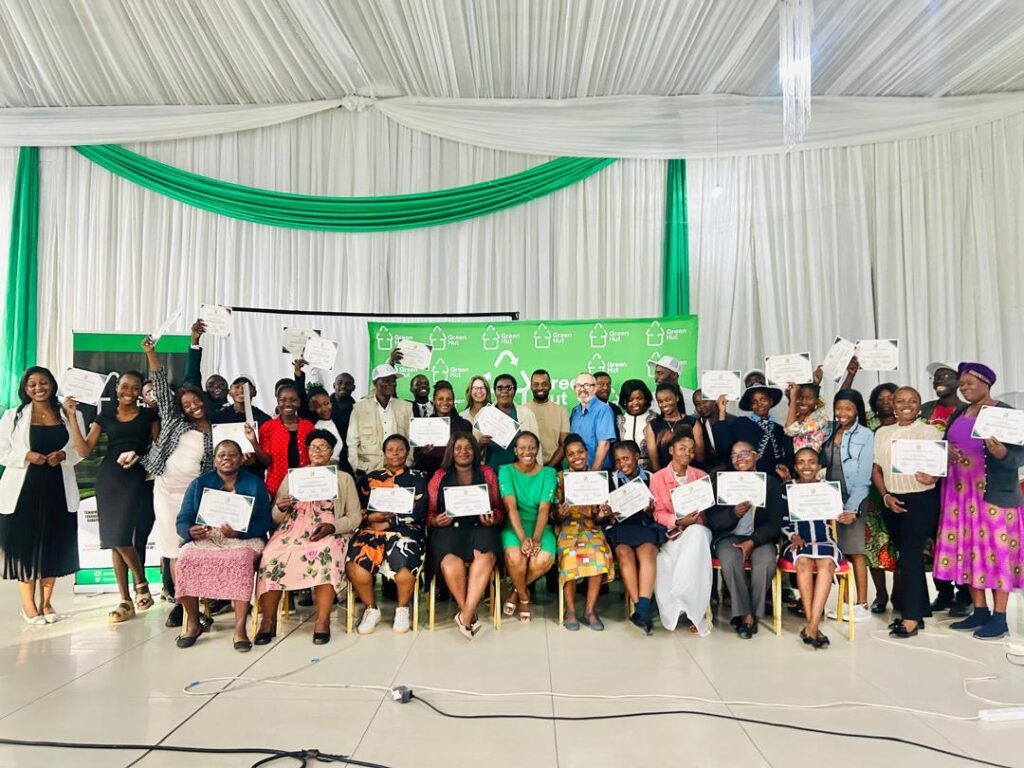
Day 5 brought everyone back together. Participants presented their personal and group plans, many of which included launching backyard nurseries, starting hydroponic projects using recycled bottles, engaging in mushroom farming, and growing herbs for both culinary and medicinal uses. A young farmer Toboka Mapala shared his farming venture and how he has managed to grow his income from farming assorted vegetables for sale to supermarkets. Abigail Hunda gave insights on her business making hair and skin products from herbs and natural oils thus promoting the use of natural products for good health and wellbeing. The workshop concluded with certificates of participation and a renewed sense of purpose.
The Beginning of a Bigger Vision
What began as a five-day training has grown into the first chapter of a much broader initiative. The Growers Program, now officially underway, will support urban farmers with ongoing mentorship, tools, and collaborative opportunities. Over the next two years, Green Hut Trust plans to facilitate the propagation and planting of 20,000 fruit trees, set up community-based nurseries, and foster farmer cooperatives that contribute to the city’s food system and Zimbabwe’s national reforestation goals.
This initiative is about more than growing food. It’s about growing capacity, growing confidence, and growing communities that are self-reliant and environmentally conscious.
Gratitude and Forward Momentum
We extend our heartfelt thanks to everyone who made this workshop a success. Special appreciation goes to Environmental Health Excellence, the permaculture and agroforestry experts who facilitated practical sessions, the dedicated team at Sizinda Green Gardens, Prestige High School Agroecology Club, and all the youth participants and community action groups who brought passion and fresh energy to the program.
This workshop has shown that when communities come together armed with knowledge, tools, and a shared purpose meaningful change is not only possible, it is inevitable.
The seeds have been planted. The vision is clear. The future is green.