sustainable development

IDALE LABOMAMA :  A GENDERED APPROACH TO CLIMATE RESILIENT BULAWAYO URBAN FOOD SYSTEMS

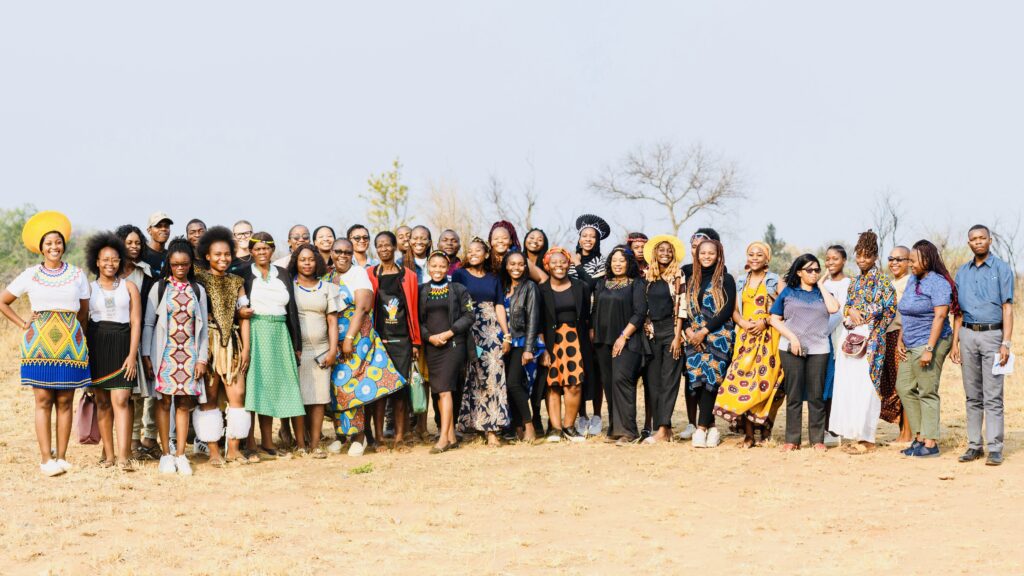
On Friday the 20th of September, Greenhut hosted IDALE LABOMAMA:A gendered approach to Bulawayo climate resilient urban food systems. The cultural event sought to bridge the knowledge gap in climate adaptation strategies in food systems at household level with a particular focus on women in Bulawayo. The activity came under the broader goals of the Urban Futures project being implemented by Greenhut and its consortium partners UVFT, AFR and BVTA. The project is funded by HIVOS. . IDALE LABOMAMA was hosted at Silwane nature reserve. The event consisted of an intergenerational dialogue and demonstrations on indigenous food preservation methods as a climate adaptation strategy for food security. The youths also discussed issues around the gender, climate change and food systems nexus while identifying barriers that hinder young women from effectively participating in the Bulawayo food value chain. . We had the honor of having FBC Bank come in to provide our youths with financial literacy training. Young people often have groundbreaking ideas but they tend to vanish into thin air when they had the greatest potential to flourish. This is because the financial part of their ideas is overlooked yet it is the most crucial in the success of any business. To counteract this challenge, Greenhut invited FBC to offer financial advice to the young people. Tapiwa, from FBC emphasized the need for youth to utilize tried and tested methods such as stokvels to raise money for their projects. She explained how FBC Bank has a savings account for stokvels which youths can make use of. She also gave them a list of financial pathways which are available for youths to access financing for their projects within the urban food value chain. . IDALE LABOMAMA, unlike most gender workshops offered practical lessons with the young people harnessing knowledge from the elderly. Most young people of the modern age lack the zeal to learn about indigenous foods but IDALE Labomama created an inter generational dialogue that was both educational and interesting to the youths and our elderly, golden girls. The IKS trainers NaSamu, Mrs Mkhwananzi and Mrs P Gumede were joined by Prince Sivalo ( Magriza Made Me Cook) and together they conducted demonstrative lessons on the traditional preservation techniques of household food such as cabbage, kale, beef , indigenous crops and fruits. They further explained the nutritional benefits of eating indigenous foods. The session was interactive as youths also tasted dried foods such as umhwabha while also taking turns to try out the methods of preparing vegetables for preservation. The lively process left many young people eager to go and try out the preservation methods at home. . Gwen Makulumo, a Greehut Urban Futures youth champion with a successful climate smart agribusiness gave a presentation to inspire her peers to take up space in the Bulawayo urban food value chain. She has successfully positioned herself in the Bulawayo urban food market through urban agriculture. Gwen makes use of SMART agricultural techniques such as drip irrigation and incorporates eco friendly methods through the use of composting and organic fertilizer. She grows cabbages, cauliflower, grapes, bell peppers and also keeps chickens. Gwen sells her produce to local supermarkets. She gave her peers a breakdown of her expenses and what’s required to get started in the business and how to scale up gradually as a way of showing them that it’s possible to get into urban agriculture with limited capital. . The theme being cultural wear, encouraged the upholding of our cultural heritage. Not only were young people learning, but getting to play dress up in cultural wear allowed them to show their creativity and understanding of their culture. Today’s generation has been robbed of the opportunity to tap into the minds of our elderly family members and this has encouraged the erosion of our culture. . IDALE LABOMAMA sought to bridge that gap by bringing the two generations together and having them share experiences and knowledge. The youth learnt about indigenous ways of food value addition methods, preservation and preparation methods. They also had a traditional lunch served with indigenous fruits as dessert. At the end of the workshop, each individual was given a mini recipe booklet curated by Prince Sivalo Mahlangu the brand owner of Magriza Made Me Cook. The recipe book contained popular traditional meal recipes such as isijeza/inopi and isathiyane as well as his special Umviyo porridge recipe.

IDALE LABOMAMA :  A GENDERED APPROACH TO CLIMATE RESILIENT BULAWAYO URBAN FOOD SYSTEMS Read More »
Introducing Project Guquka: Pioneering Urban Sustainability

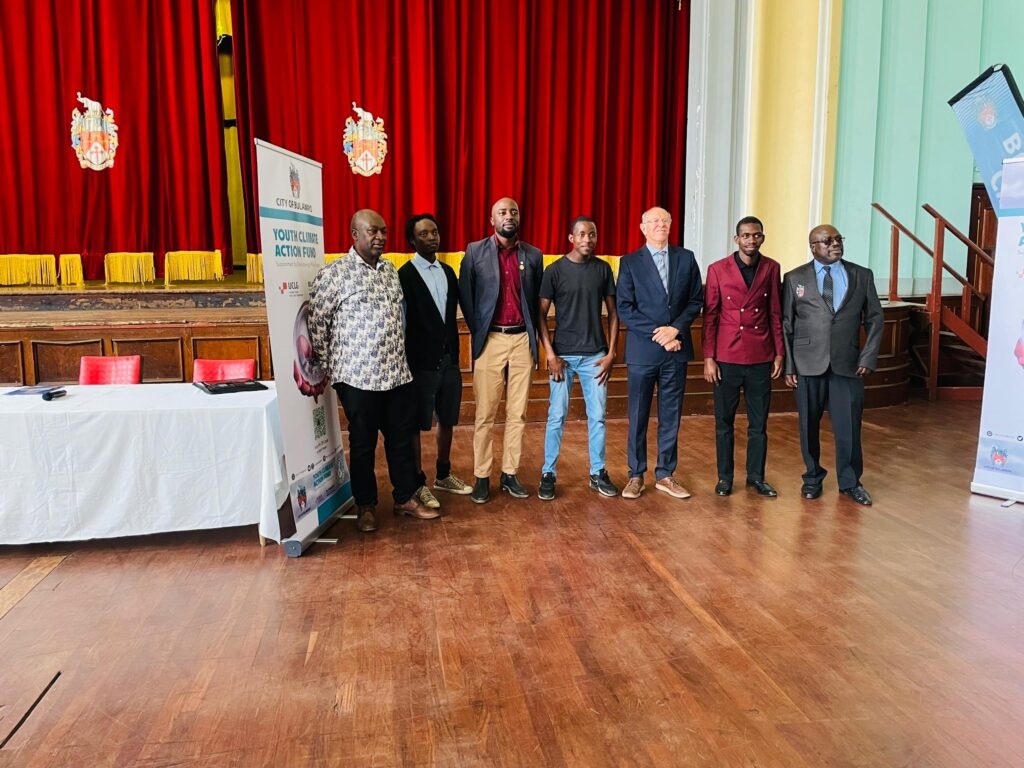
The honorable Mayor David Coltart and his delegate awarding Greenhut the Bloomberg grant for Project GUQUKA As the world grapples with the mounting effects of climate change, cities like Bulawayo are at the forefront of pioneering solutions that blend innovation with environmental stewardship. Urban areas, often characterized by rapid development and population growth, face unique challenges in managing waste and enhancing green spaces. Yet, these challenges also present an extraordinary opportunity to rethink how we approach sustainability. Instead of merely reacting to environmental issues, it’s crucial to adopt a proactive mindset that integrates technology, community engagement, and innovative practices to foster a more resilient and sustainable urban environment. . Green Hut Trust responded to  Mr. David Coltart’s call for micro-grants to support youth-led climate change initiatives through the Youth Climate Action Fund. This fund, launched by Bloomberg Philanthropies, aims to engage young people aged 15-24 in climate solutions across 38 countries. It seeks to harness the energy of youth to tackle climate change and enhance local resilience, with additional support from United Cities and Local Governments and the Bloomberg Center for Public Innovation at Johns Hopkins University. Therefore we developed a project called Project Guquka, which aims to change the societal norms and values with regards to waste management and encourage communities especially the youth to step up and take initiative as well as responsibility. Introducing Project Guquka: Pioneering Urban Sustainability Project Guquka is a forward-thinking initiative designed to address two critical environmental issues in Bulawayo: solid waste management and urban greenery. This project harnesses the power of cutting-edge technology and community involvement to drive significant positive change. Here’s a closer look at its objectives and the impact it aims to achieve: 1. Smart Waste Management: At the heart of Guquka’s strategy is the development of smart waste bins equipped with sensors and communication technology. These bins will connect with the waste collection team in real-time, providing data on waste levels and optimizing collection routes. This innovative approach not only streamlines waste management but also helps curb illegal dumping by ensuring timely and efficient waste collection. 2. Research and Community Engagement: To tackle the issue of illegal dumping, Guquka will conduct in-depth research surveys. These surveys will explore the underlying reasons for illegal dumping and assess public attitudes towards waste management. Additionally, the project will investigate the feasibility of gradually replacing non-native tree species with indigenous trees. This transition aims to restore local ecosystems, enhance biodiversity, and create a more sustainable urban landscape. 3. Green Urban Spaces: A significant component of Guquka involves reforesting Bulawayo with indigenous tree species. Indigenous trees are not only better suited to local conditions but also offer greater carbon sequestration benefits and support biodiversity. By planting these trees along streets and public spaces, the project will contribute to improved air quality, enhance urban aesthetics, and provide ecological benefits such as food security through fruit-bearing trees. Innovative Climate Change Mitigation Project Guquka addresses climate change through a synergistic approach that combines improved waste management with green urban planning. Indigenous trees play a crucial role in carbon sequestration, capturing and storing carbon dioxide more effectively than non-native species. Additionally, proper waste management reduces landfill emissions and pollution, contributing to a cleaner environment. The integration of these strategies not only enhances local ecosystems but also supports broader climate goals by reducing greenhouse gas emissions and improving urban resilience. Youth Engagement and Community Involvement A distinctive feature of Guquka is its emphasis on youth involvement. Local youth will be actively engaged in various aspects of the project, including conducting research surveys, participating in tree planting activities, and developing the smart bin technology. This hands-on involvement not only provides valuable skills and experience to young individuals but also fosters a sense of ownership and responsibility towards their community and environment. By empowering the next generation, Guquka ensures that the benefits of the project extend beyond its immediate goals, creating a lasting impact on the community’s approach to sustainability. . It is important to note that as the global community faces escalating environmental challenges, local initiatives like Project Guquka in Bulawayo exemplify how innovative, community-driven solutions can make a significant impact. By integrating smart waste management technologies with the planting of indigenous trees, Guquka not only addresses immediate environmental concerns but also fosters long-term sustainability. The project’s commitment to involving local youth ensures that future generations are equipped with the skills and enthusiasm needed to drive positive change. . Project Guquka serves as a model for how cities can blend technology, research, and grassroots involvement to create a resilient urban ecosystem. As we continue to grapple with the effects of climate change, the proactive approach demonstrated by Guquka highlights the potential for transformative solutions when communities come together with a shared vision for a greener future. Through these efforts, we pave the way for a more sustainable and hopeful future, where innovation and collective action lead the charge in combating climate change. A special mention of the Greenhut youths who received the Bloomberg award for project GUQUKA with mentorship from their senior , Mr Mthokozisi Moyo: Brighton Moyo Nicole F. Mavhunga Gideon Mhlanga

Introducing Project Guquka: Pioneering Urban Sustainability Read More »

GREENHUT ATTENDS RENEWABLE ENERGY CONFERENCE IN SOUTH AFRICA

This week our Greenhut programs manager Nonkanyiso Gumede participated in a strategic meeting hosted by Don’t Gas Africa to discuss the future of renewable energy in Africa. The conference ran from the 5th to the 7th of August and was attended by representatives from over 10 countries from different parts of the continent. . The discussion was led by Don’t Gas Africa, supported by Power Shift Africa. “Don’t Gas Africa” is a campaign aimed at opposing the expansion of gas exploration and extraction in Africa. It advocates for sustainable and renewable energy alternatives instead of relying on fossil fuels, which contribute to climate change. The campaign highlights the potential environmental damage, displacement of communities, and economic pitfalls associated with fossil fuel dependency. It also challenges narratives that position natural gas as a transitional or “clean” energy source, arguing that investments should instead focus on green energy solutions that align with global climate goals. . The event was kick started by a status report from Dean Bhebhe, the Don’t Gas Africa Convenor and Campaigns Lead at Power Shift Africa. Followed by an address from Mohamed Adow who stressed the need for Africa to lead the green charge, “we cannot catch up with the rest of the world if we trudge around in their foot steps”. The opening remarks set the stage for deep thinking and transformational dialogue on what can be done to make Africa a green energy powerhouse.  Left: Dean Bhebhe. Right: Mohamed Adow . Africa’s renewable energy potential is immense. If tapped into, Africa can emerge as a green energy leader. Our continent receives more sunlight than any other region in the world, making solar power a particularly promising resource. Wind, hydro, and geothermal energy also offer significant opportunities for clean energy development. Despite this potential, more than 600 million people in Africa lack access to electricity and many rely on traditional biomass for cooking, leading to health problems and environmental degradation. Africa is also trapped in a cycle of importing fossil fuels.  . Transitioning to renewable energy is not only essential for reducing greenhouse gas emissions but also for achieving broader development goals. Access to reliable and affordable energy is crucial for economic growth, education, healthcare, and poverty reduction. Renewable energy can provide off-grid solutions to rural and remote communities, reducing dependence on imported fossil fuels and enhancing energy sovereignty. However, a just transition cannot happen without proper enabling mechanisms. The workshop highlighted the need to ensure African countries have adequate access to public financing from institutions such as the World Bank and the African Development Bank.  . The conference provided a platform for CSOs to collaborate and strategize on how to address the elephant in the room ( fossil fuels) while propelling our communities towards a cleaner greener future. Civil society organizations play a crucial role in the transition to renewable energy by advocating for policies, raising awareness, building community capacity, and holding governments and corporations accountable. It is therefore necessary for movements and organizations across the continent of Africa to combine efforts and speak with one voice in order to foster real change.  The discussions also highlighted the importance of taking a people centered approach. Communities need to be a key priority. From telling African stories and sharing their lived experiences, we can gain a deeper understanding of community needs. Educating communities as well as engaging them in the planning and implementation of renewable energy projects will ensure that these projects meet local needs and gain social acceptance. With access to the right knowledge, communities can also be allies in the quest to hold fossil fuel companies accountable and facilitate the complete phase out of fossil fuels in favor of green energy. . Greenhut programs manager Nonkanyiso Gumede further pointed out the need to ensure that communities in Africa are capacitated with skills across the green energy value chain to reduce reliance on imports. Additionally, it is important to bring in private sector investment by creating a clear value proposition for renewable energy. As a CSO in the climate space, Greenhut Trust has been making strides to capacitate communities to transition to green energy through education, skills training, research and development of renewable technologies. With collaborative action from other organizations across the region of Africa, such efforts can be amplified to accelerate the transition to green energy in our continent. The Don’t Gas Africa strategic conference provided the platform, now the real work truly begins.

GREENHUT ATTENDS RENEWABLE ENERGY CONFERENCE IN SOUTH AFRICA Read More »