Sustainable Development

INALA SMART AGRO CHALLENGE

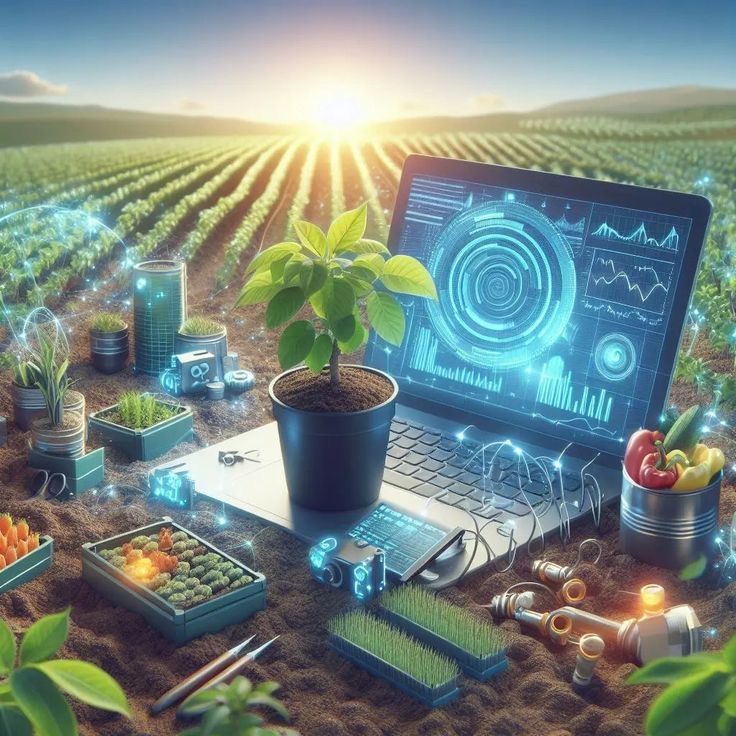
Calling all tech enthusiasts, agro professionals and scientists! Do you have a strong zeal to address climate change and collaborate with peers to  formulate technological solutions that will lead to resilient urban food systems? If so, we invite you to apply for the INALA  SMART AGRO CHALLENGE !! . About the Challenge The INALA SMART AGRO Challenge is an exciting opportunity for students, researchers, and young professionals to develop tech solutions that address the pressing issues facing our food systems as a result of climate change in a fast paced one day event. The Agro challenge will tentatively be hosted on the 30th of August 2024. The event honors the theme of International youth day 2024  , “From Clicks to Progress: Youth Digital Pathways for Sustainable Development.“ .Click the link below to apply to participate in the competition . https://forms.gle/HG5TzjMMpJ4cHi8eA

INALA SMART AGRO CHALLENGE Read More »

Introducing Project Guquka: Pioneering Urban Sustainability

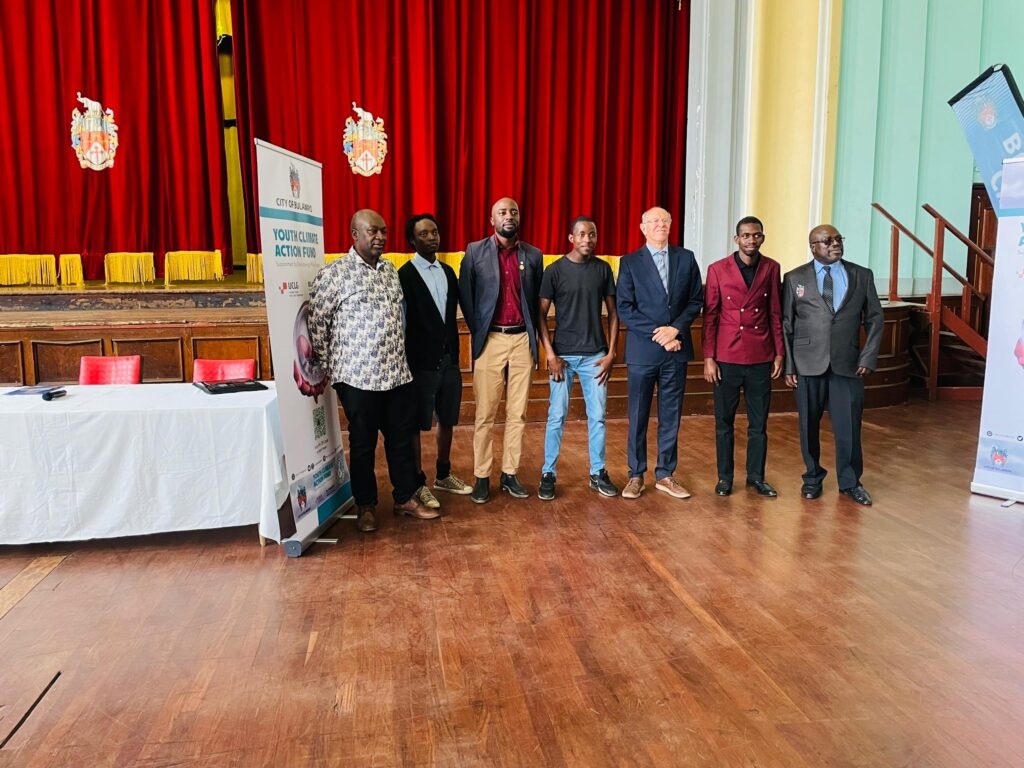
The honorable Mayor David Coltart and his delegate awarding Greenhut the Bloomberg grant for Project GUQUKA As the world grapples with the mounting effects of climate change, cities like Bulawayo are at the forefront of pioneering solutions that blend innovation with environmental stewardship. Urban areas, often characterized by rapid development and population growth, face unique challenges in managing waste and enhancing green spaces. Yet, these challenges also present an extraordinary opportunity to rethink how we approach sustainability. Instead of merely reacting to environmental issues, it’s crucial to adopt a proactive mindset that integrates technology, community engagement, and innovative practices to foster a more resilient and sustainable urban environment. . Green Hut Trust responded to  Mr. David Coltart’s call for micro-grants to support youth-led climate change initiatives through the Youth Climate Action Fund. This fund, launched by Bloomberg Philanthropies, aims to engage young people aged 15-24 in climate solutions across 38 countries. It seeks to harness the energy of youth to tackle climate change and enhance local resilience, with additional support from United Cities and Local Governments and the Bloomberg Center for Public Innovation at Johns Hopkins University. Therefore we developed a project called Project Guquka, which aims to change the societal norms and values with regards to waste management and encourage communities especially the youth to step up and take initiative as well as responsibility. Introducing Project Guquka: Pioneering Urban Sustainability Project Guquka is a forward-thinking initiative designed to address two critical environmental issues in Bulawayo: solid waste management and urban greenery. This project harnesses the power of cutting-edge technology and community involvement to drive significant positive change. Here’s a closer look at its objectives and the impact it aims to achieve: 1. Smart Waste Management: At the heart of Guquka’s strategy is the development of smart waste bins equipped with sensors and communication technology. These bins will connect with the waste collection team in real-time, providing data on waste levels and optimizing collection routes. This innovative approach not only streamlines waste management but also helps curb illegal dumping by ensuring timely and efficient waste collection. 2. Research and Community Engagement: To tackle the issue of illegal dumping, Guquka will conduct in-depth research surveys. These surveys will explore the underlying reasons for illegal dumping and assess public attitudes towards waste management. Additionally, the project will investigate the feasibility of gradually replacing non-native tree species with indigenous trees. This transition aims to restore local ecosystems, enhance biodiversity, and create a more sustainable urban landscape. 3. Green Urban Spaces: A significant component of Guquka involves reforesting Bulawayo with indigenous tree species. Indigenous trees are not only better suited to local conditions but also offer greater carbon sequestration benefits and support biodiversity. By planting these trees along streets and public spaces, the project will contribute to improved air quality, enhance urban aesthetics, and provide ecological benefits such as food security through fruit-bearing trees. Innovative Climate Change Mitigation Project Guquka addresses climate change through a synergistic approach that combines improved waste management with green urban planning. Indigenous trees play a crucial role in carbon sequestration, capturing and storing carbon dioxide more effectively than non-native species. Additionally, proper waste management reduces landfill emissions and pollution, contributing to a cleaner environment. The integration of these strategies not only enhances local ecosystems but also supports broader climate goals by reducing greenhouse gas emissions and improving urban resilience. Youth Engagement and Community Involvement A distinctive feature of Guquka is its emphasis on youth involvement. Local youth will be actively engaged in various aspects of the project, including conducting research surveys, participating in tree planting activities, and developing the smart bin technology. This hands-on involvement not only provides valuable skills and experience to young individuals but also fosters a sense of ownership and responsibility towards their community and environment. By empowering the next generation, Guquka ensures that the benefits of the project extend beyond its immediate goals, creating a lasting impact on the community’s approach to sustainability. . It is important to note that as the global community faces escalating environmental challenges, local initiatives like Project Guquka in Bulawayo exemplify how innovative, community-driven solutions can make a significant impact. By integrating smart waste management technologies with the planting of indigenous trees, Guquka not only addresses immediate environmental concerns but also fosters long-term sustainability. The project’s commitment to involving local youth ensures that future generations are equipped with the skills and enthusiasm needed to drive positive change. . Project Guquka serves as a model for how cities can blend technology, research, and grassroots involvement to create a resilient urban ecosystem. As we continue to grapple with the effects of climate change, the proactive approach demonstrated by Guquka highlights the potential for transformative solutions when communities come together with a shared vision for a greener future. Through these efforts, we pave the way for a more sustainable and hopeful future, where innovation and collective action lead the charge in combating climate change. A special mention of the Greenhut youths who received the Bloomberg award for project GUQUKA with mentorship from their senior , Mr Mthokozisi Moyo: Brighton Moyo Nicole F. Mavhunga Gideon Mhlanga

Introducing Project Guquka: Pioneering Urban Sustainability Read More »

GREENHUT ATTENDS RENEWABLE ENERGY CONFERENCE IN SOUTH AFRICA

This week our Greenhut programs manager Nonkanyiso Gumede participated in a strategic meeting hosted by Don’t Gas Africa to discuss the future of renewable energy in Africa. The conference ran from the 5th to the 7th of August and was attended by representatives from over 10 countries from different parts of the continent. . The discussion was led by Don’t Gas Africa, supported by Power Shift Africa. “Don’t Gas Africa” is a campaign aimed at opposing the expansion of gas exploration and extraction in Africa. It advocates for sustainable and renewable energy alternatives instead of relying on fossil fuels, which contribute to climate change. The campaign highlights the potential environmental damage, displacement of communities, and economic pitfalls associated with fossil fuel dependency. It also challenges narratives that position natural gas as a transitional or “clean” energy source, arguing that investments should instead focus on green energy solutions that align with global climate goals. . The event was kick started by a status report from Dean Bhebhe, the Don’t Gas Africa Convenor and Campaigns Lead at Power Shift Africa. Followed by an address from Mohamed Adow who stressed the need for Africa to lead the green charge, “we cannot catch up with the rest of the world if we trudge around in their foot steps”. The opening remarks set the stage for deep thinking and transformational dialogue on what can be done to make Africa a green energy powerhouse.  Left: Dean Bhebhe. Right: Mohamed Adow . Africa’s renewable energy potential is immense. If tapped into, Africa can emerge as a green energy leader. Our continent receives more sunlight than any other region in the world, making solar power a particularly promising resource. Wind, hydro, and geothermal energy also offer significant opportunities for clean energy development. Despite this potential, more than 600 million people in Africa lack access to electricity and many rely on traditional biomass for cooking, leading to health problems and environmental degradation. Africa is also trapped in a cycle of importing fossil fuels.  . Transitioning to renewable energy is not only essential for reducing greenhouse gas emissions but also for achieving broader development goals. Access to reliable and affordable energy is crucial for economic growth, education, healthcare, and poverty reduction. Renewable energy can provide off-grid solutions to rural and remote communities, reducing dependence on imported fossil fuels and enhancing energy sovereignty. However, a just transition cannot happen without proper enabling mechanisms. The workshop highlighted the need to ensure African countries have adequate access to public financing from institutions such as the World Bank and the African Development Bank.  . The conference provided a platform for CSOs to collaborate and strategize on how to address the elephant in the room ( fossil fuels) while propelling our communities towards a cleaner greener future. Civil society organizations play a crucial role in the transition to renewable energy by advocating for policies, raising awareness, building community capacity, and holding governments and corporations accountable. It is therefore necessary for movements and organizations across the continent of Africa to combine efforts and speak with one voice in order to foster real change.  The discussions also highlighted the importance of taking a people centered approach. Communities need to be a key priority. From telling African stories and sharing their lived experiences, we can gain a deeper understanding of community needs. Educating communities as well as engaging them in the planning and implementation of renewable energy projects will ensure that these projects meet local needs and gain social acceptance. With access to the right knowledge, communities can also be allies in the quest to hold fossil fuel companies accountable and facilitate the complete phase out of fossil fuels in favor of green energy. . Greenhut programs manager Nonkanyiso Gumede further pointed out the need to ensure that communities in Africa are capacitated with skills across the green energy value chain to reduce reliance on imports. Additionally, it is important to bring in private sector investment by creating a clear value proposition for renewable energy. As a CSO in the climate space, Greenhut Trust has been making strides to capacitate communities to transition to green energy through education, skills training, research and development of renewable technologies. With collaborative action from other organizations across the region of Africa, such efforts can be amplified to accelerate the transition to green energy in our continent. The Don’t Gas Africa strategic conference provided the platform, now the real work truly begins.

GREENHUT ATTENDS RENEWABLE ENERGY CONFERENCE IN SOUTH AFRICA Read More »

Urban Futures Project launches in Bulawayo

The Urban Futures Project supported by Hivos and the Botnar Foundation spanning across 10 cities in 3 continents seeks to build climate resilient urban food systems where young people are motivated and empowered to collaborate in influencing policies and decision making as well seizing economic opportunities within the food sector. Additionally the project seeks to ensure that food value chains are shorter, sustainable and provide halthier, affordable and accesible food for all. In Zimbabwe the project is being implemented in Bulawayo and Mutare together with a consortium of organisations that include: Green Hut Trust, Bulawayo Vendors and Traders Association, Unemployed and Vulnerable Foundation and African Food Revolution for the Bulawayo Consortium and Green Governance Trust, Manica Youth Assembly (MAYA) and National Association of Youth Organisations (NAYO) for the Mutare Consortium. On the 13th of March 2024, the project was officially launched in Bulawayo with a number of stakeholders include youth organisations, development partners, Government ministries and City Council officials from both Bulawayo and Mutare. Giving his remarks as the Guest of Honor, Mr Leonard Mutinima who is the Chief Director in the Ministry of Lands, Agriculture, Fisheries, Water and Rural Development highlighted how the project’s vision is in line with government efforts to promote sustainable agriulture across the country and the willingless of his ministry to work with all to achieve the set goals. Giving his speech on behalf of the Mayor of Bulawayo, ward Councillor Mpumelelo Moyo highlighted how the urban futures project is very relevant to Bulawayo which is currently undergoing one of the worst droughts in history. Part of the proceeding of the day included a lively panel discussion on green livelihoods in food systems for youths in Zimbabwe and their role in strengthening food security and supporting climate resilient livelihoods. One of the panellists, Mthokozisi Moyo passionately known as the water guy indicated the need for investing in waste water treatment infrastructure to facilitate water reuse in the city. Other discussants included Dr Z Sibanda from Lenara Foods, Mgcini Mazula from Lupane Veggie Guys , Gwenneth Makulumo from Tsikuma Gardens , Lovemore Sibanda from Lodith Private Limited and Pamhidzai Sanganza from Farm to Table. Some of the issues highlighted during the discussion included the need to build the capacity of youths to run successful enterprises within the food value chains through knowledge sharing of best practices and the creation of an enabling environment for them to participate especially in the production stage of the value chain. With the majority of the population of Zimbabwe being youths, the project presents an opportunity for the empowerment of young people in the advent of climate change. Of note was the inclusion of the deaf community with a sign language enterpreter relaying the information during the launch to some of the participants with hearing impediments . Persons living with disabilities are often left out of such initiatives yet they are also feeling the impacts of climate change and food insecurity. The Urban Futures project will be running until 2027.

Urban Futures Project launches in Bulawayo Read More »

Green Skills for sustainable agriculture

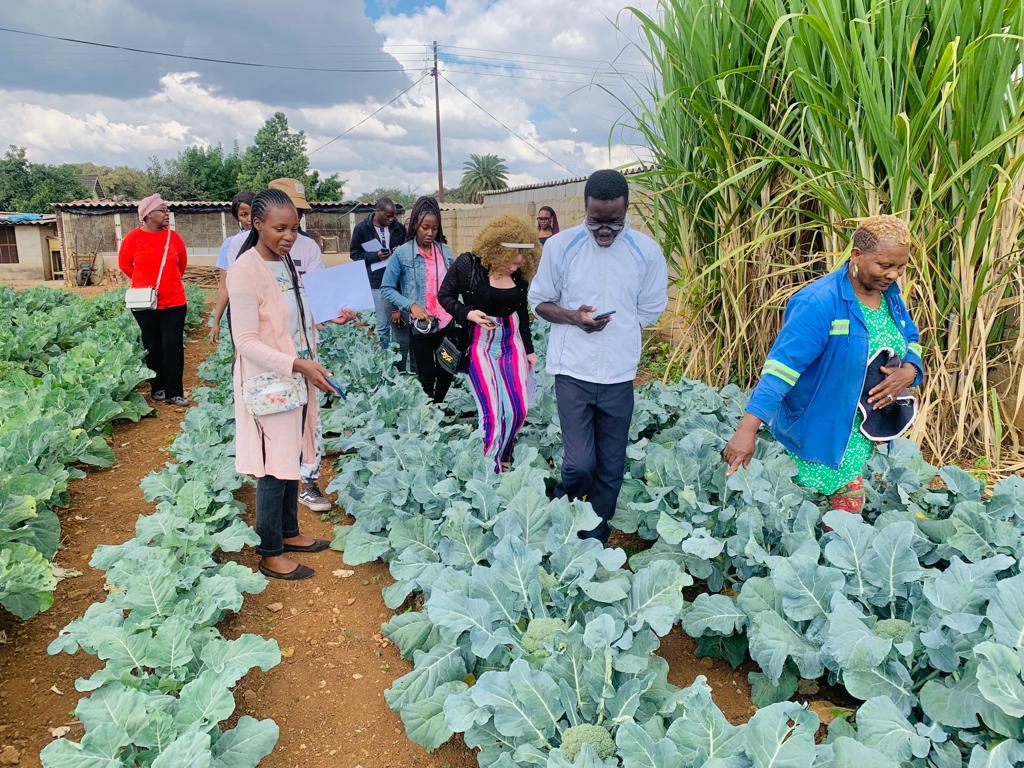
Zimbabwe’s economy is primarily agriculture based. Climate change has a significant impact on our agricultural sector, making it imperative that we modify our farming practices in order to survive. Our Sub Saharan region requires the integration of indigenous knowledge systems and SMART agriculture to effectively adapt to the rapidly changing climate. Through the development of green skills, GreenHut aims to be at the forefront of innovation that empowers communities to utilize sustainable livelihood strategies in order to cope with climate shocks. Our team collaborates with other organizations to develop green skills training programs for youths. The training takes on a practical approach where trainees are taken out on the field to interact with young professionals who are running successful green initiatives. In October 2023, the team visited Ulwazi tech, a SMART company and Gwen, a young vibrant lady who has a backyard eco garden. Ulwazi tech utilizes innovative technology such as the use of moisture sensors in drip irrigation to optimize water usage in the face of climate change related droughts. Gwen incorporates organic manure from composting to grow a wide array of vegetables and fruits that she supplies to supermarkets. Her business has been so successful that she’s managed to pay for her studies using proceeds from her home garden. These are only a few examples of successful green businesses that we’ve partnered with to teach youths green skills. The idea is to inspire young people to come up with their own innovative projects and provide them with enough mentorship to build sustainable businesses. Through these green initiatives communities will eventually become climate resilient. We believe that solutions for the climate crisis should be people centered for lasting change. For the year ahead, the team aims to bring in more youths for training especially in marginalized communities. The trainings will enable young people to thrive in sustainable green businesses while also taking the acquired skills back to their communities to hopefully trigger a ripple effect of knowledge transfer. -By Nonkanyiso Gumede

Green Skills for sustainable agriculture Read More »