
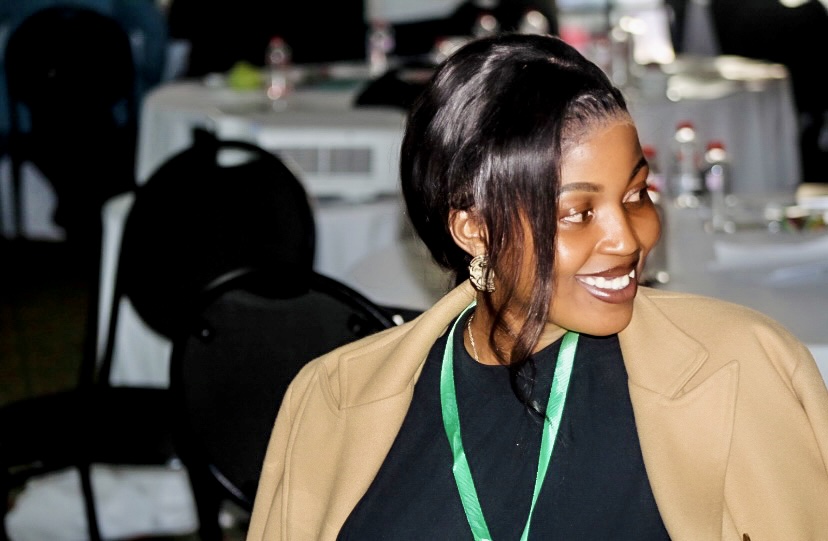
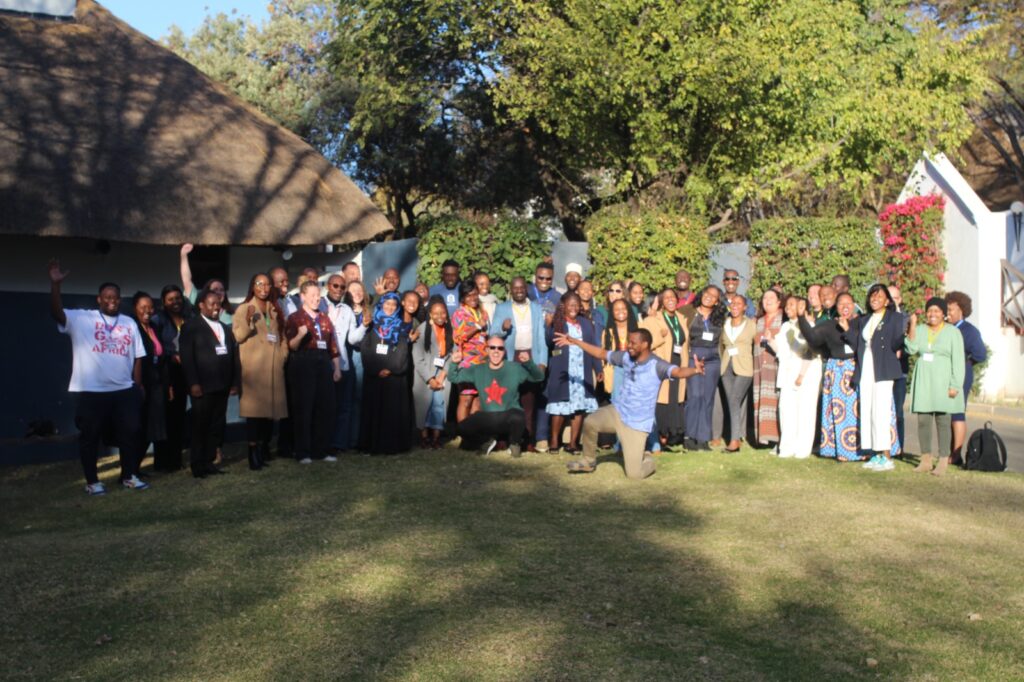
This week our Greenhut programs manager Nonkanyiso Gumede participated in a strategic meeting hosted by Don’t Gas Africa to discuss the future of renewable energy in Africa. The conference ran from the 5th to the 7th of August and was attended by representatives from over 10 countries from different parts of the continent.
.
The discussion was led by Don’t Gas Africa, supported by Power Shift Africa. “Don’t Gas Africa” is a campaign aimed at opposing the expansion of gas exploration and extraction in Africa. It advocates for sustainable and renewable energy alternatives instead of relying on fossil fuels, which contribute to climate change. The campaign highlights the potential environmental damage, displacement of communities, and economic pitfalls associated with fossil fuel dependency. It also challenges narratives that position natural gas as a transitional or “clean” energy source, arguing that investments should instead focus on green energy solutions that align with global climate goals.
.
The event was kick started by a status report from Dean Bhebhe, the Don’t Gas Africa Convenor and Campaigns Lead at Power Shift Africa. Followed by an address from Mohamed Adow who stressed the need for Africa to lead the green charge, “we cannot catch up with the rest of the world if we trudge around in their foot steps”. The opening remarks set the stage for deep thinking and transformational dialogue on what can be done to make Africa a green energy powerhouse.
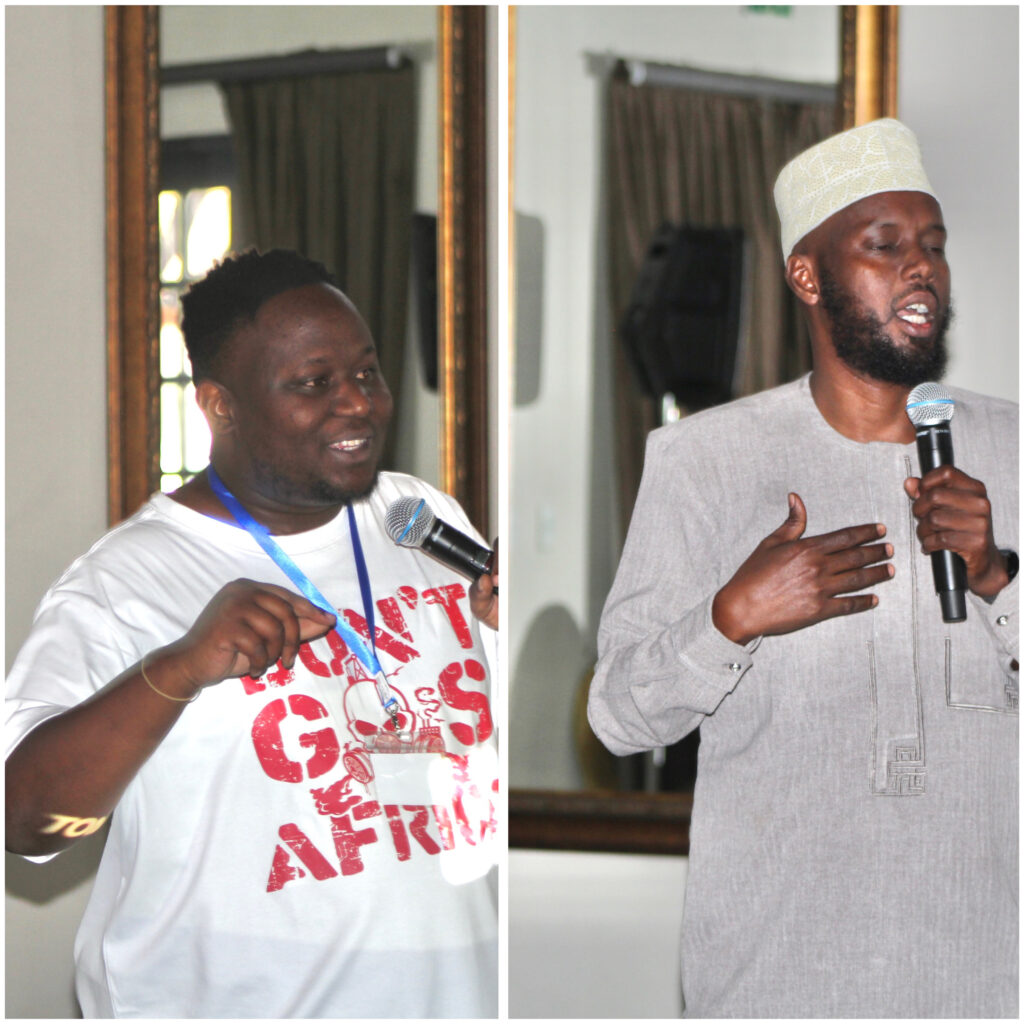
Left: Dean Bhebhe. Right: Mohamed Adow
.
Africa’s renewable energy potential is immense. If tapped into, Africa can emerge as a green energy leader. Our continent receives more sunlight than any other region in the world, making solar power a particularly promising resource. Wind, hydro, and geothermal energy also offer significant opportunities for clean energy development. Despite this potential, more than 600 million people in Africa lack access to electricity and many rely on traditional biomass for cooking, leading to health problems and environmental degradation. Africa is also trapped in a cycle of importing fossil fuels.
.
Transitioning to renewable energy is not only essential for reducing greenhouse gas emissions but also for achieving broader development goals. Access to reliable and affordable energy is crucial for economic growth, education, healthcare, and poverty reduction. Renewable energy can provide off-grid solutions to rural and remote communities, reducing dependence on imported fossil fuels and enhancing energy sovereignty. However, a just transition cannot happen without proper enabling mechanisms. The workshop highlighted the need to ensure African countries have adequate access to public financing from institutions such as the World Bank and the African Development Bank.
.
The conference provided a platform for CSOs to collaborate and strategize on how to address the elephant in the room ( fossil fuels) while propelling our communities towards a cleaner greener future. Civil society organizations play a crucial role in the transition to renewable energy by advocating for policies, raising awareness, building community capacity, and holding governments and corporations accountable. It is therefore necessary for movements and organizations across the continent of Africa to combine efforts and speak with one voice in order to foster real change.
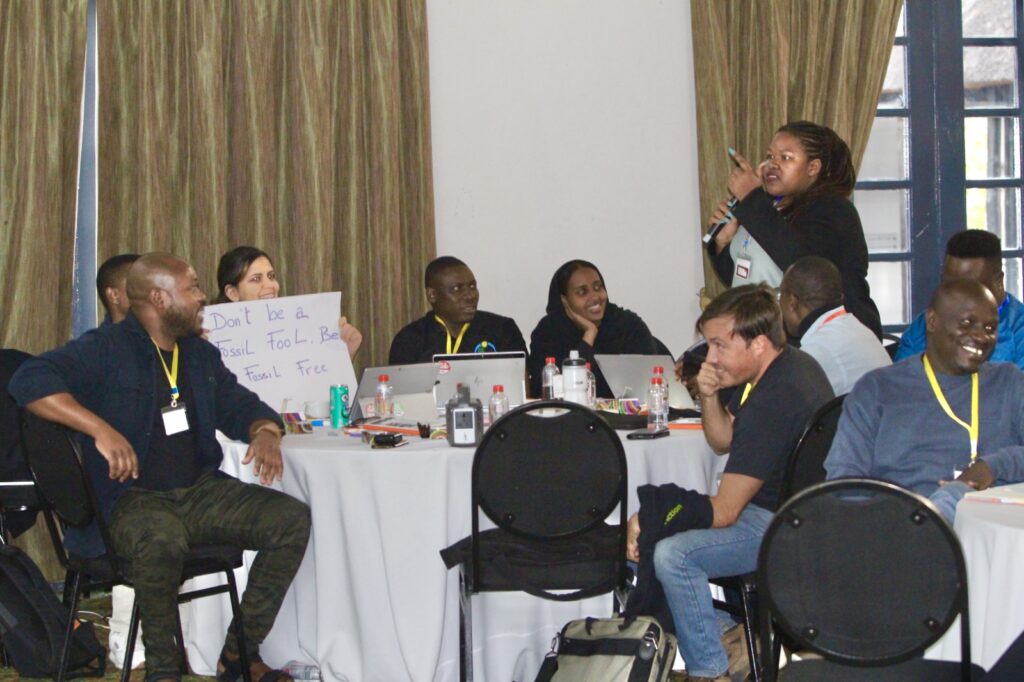
The discussions also highlighted the importance of taking a people centered approach. Communities need to be a key priority. From telling African stories and sharing their lived experiences, we can gain a deeper understanding of community needs. Educating communities as well as engaging them in the planning and implementation of renewable energy projects will ensure that these projects meet local needs and gain social acceptance. With access to the right knowledge, communities can also be allies in the quest to hold fossil fuel companies accountable and facilitate the complete phase out of fossil fuels in favor of green energy.
.
Greenhut programs manager Nonkanyiso Gumede further pointed out the need to ensure that communities in Africa are capacitated with skills across the green energy value chain to reduce reliance on imports. Additionally, it is important to bring in private sector investment by creating a clear value proposition for renewable energy. As a CSO in the climate space, Greenhut Trust has been making strides to capacitate communities to transition to green energy through education, skills training, research and development of renewable technologies. With collaborative action from other organizations across the region of Africa, such efforts can be amplified to accelerate the transition to green energy in our continent. The Don’t Gas Africa strategic conference provided the platform, now the real work truly begins.
Positioning Africa as a leader in renewable energy requires a multifaceted approach. Your point about the role of CSO in the transition to renewable energy really resonated with me. I believe that advocacy can drive policy changes, secure investment, and raise awareness about the potential of renewable energy to address energy scarcity. By engaging governments, businesses, and communities in advocacy efforts, we can push for policies that promote the adoption of renewable energy technologies, making them more accessible and affordable. Additionally, empowering local communities through education and support for small-scale renewable projects can increase access to clean energy, ensuring that even the most remote areas benefit from sustainable solutions. To this end I would like to know, What initiatives have you seen that are effectively engaging local communities in renewable energy? And, What are some of the biggest challenges you see in securing investment for renewable energy projects in Africa?
In my view, green energy has to be connected to livelihoods. The majority of places without electricity are in rural areas where people live a largely subsistent lifestyle. A look at the sanitation statistics for instance tells you that. More than 50 percent of the people there do not have their own toilet. This shows that essential services cannot be paid for including sadly energy.
The solution lies in reversing this subsistent lifestyle to a commercial one so that they can pay for services. I would advocate for region supported ventures that take advantage of their circumstances. Eg communities around holiday resorts find ways of participating in the tourism value chain etc.
As it stands it seems the majority of people in rural areas depend on people in diaspora to finance energy related needs. This is why there is a slow take up of renewable energy