Introducing Project Guquka: Pioneering Urban Sustainability
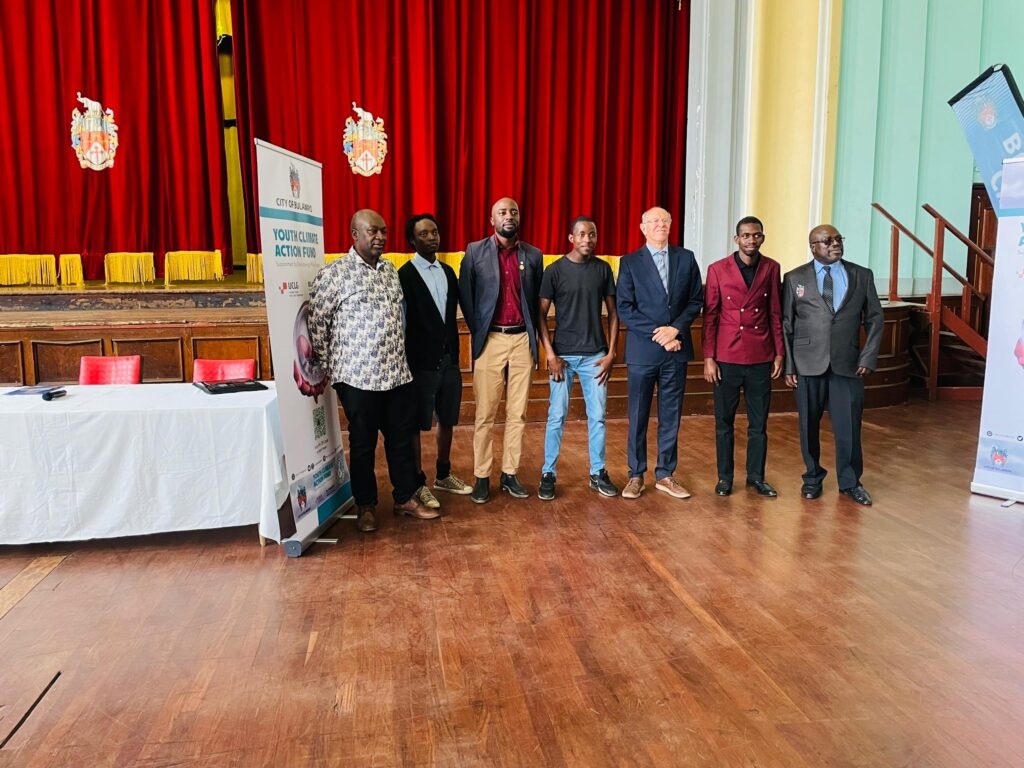
The honorable Mayor David Coltart and his delegate awarding Greenhut the Bloomberg grant for Project GUQUKA As the world grapples with the mounting effects of climate change, cities like Bulawayo are at the forefront of pioneering solutions that blend innovation with environmental stewardship. Urban areas, often characterized by rapid development and population growth, face unique challenges in managing waste and enhancing green spaces. Yet, these challenges also present an extraordinary opportunity to rethink how we approach sustainability. Instead of merely reacting to environmental issues, it’s crucial to adopt a proactive mindset that integrates technology, community engagement, and innovative practices to foster a more resilient and sustainable urban environment. . Green Hut Trust responded to Mr. David Coltart’s call for micro-grants to support youth-led climate change initiatives through the Youth Climate Action Fund. This fund, launched by Bloomberg Philanthropies, aims to engage young people aged 15-24 in climate solutions across 38 countries. It seeks to harness the energy of youth to tackle climate change and enhance local resilience, with additional support from United Cities and Local Governments and the Bloomberg Center for Public Innovation at Johns Hopkins University. Therefore we developed a project called Project Guquka, which aims to change the societal norms and values with regards to waste management and encourage communities especially the youth to step up and take initiative as well as responsibility. Introducing Project Guquka: Pioneering Urban Sustainability Project Guquka is a forward-thinking initiative designed to address two critical environmental issues in Bulawayo: solid waste management and urban greenery. This project harnesses the power of cutting-edge technology and community involvement to drive significant positive change. Here’s a closer look at its objectives and the impact it aims to achieve: 1. Smart Waste Management: At the heart of Guquka’s strategy is the development of smart waste bins equipped with sensors and communication technology. These bins will connect with the waste collection team in real-time, providing data on waste levels and optimizing collection routes. This innovative approach not only streamlines waste management but also helps curb illegal dumping by ensuring timely and efficient waste collection. 2. Research and Community Engagement: To tackle the issue of illegal dumping, Guquka will conduct in-depth research surveys. These surveys will explore the underlying reasons for illegal dumping and assess public attitudes towards waste management. Additionally, the project will investigate the feasibility of gradually replacing non-native tree species with indigenous trees. This transition aims to restore local ecosystems, enhance biodiversity, and create a more sustainable urban landscape. 3. Green Urban Spaces: A significant component of Guquka involves reforesting Bulawayo with indigenous tree species. Indigenous trees are not only better suited to local conditions but also offer greater carbon sequestration benefits and support biodiversity. By planting these trees along streets and public spaces, the project will contribute to improved air quality, enhance urban aesthetics, and provide ecological benefits such as food security through fruit-bearing trees. Innovative Climate Change Mitigation Project Guquka addresses climate change through a synergistic approach that combines improved waste management with green urban planning. Indigenous trees play a crucial role in carbon sequestration, capturing and storing carbon dioxide more effectively than non-native species. Additionally, proper waste management reduces landfill emissions and pollution, contributing to a cleaner environment. The integration of these strategies not only enhances local ecosystems but also supports broader climate goals by reducing greenhouse gas emissions and improving urban resilience. Youth Engagement and Community Involvement A distinctive feature of Guquka is its emphasis on youth involvement. Local youth will be actively engaged in various aspects of the project, including conducting research surveys, participating in tree planting activities, and developing the smart bin technology. This hands-on involvement not only provides valuable skills and experience to young individuals but also fosters a sense of ownership and responsibility towards their community and environment. By empowering the next generation, Guquka ensures that the benefits of the project extend beyond its immediate goals, creating a lasting impact on the community’s approach to sustainability. . It is important to note that as the global community faces escalating environmental challenges, local initiatives like Project Guquka in Bulawayo exemplify how innovative, community-driven solutions can make a significant impact. By integrating smart waste management technologies with the planting of indigenous trees, Guquka not only addresses immediate environmental concerns but also fosters long-term sustainability. The project’s commitment to involving local youth ensures that future generations are equipped with the skills and enthusiasm needed to drive positive change. . Project Guquka serves as a model for how cities can blend technology, research, and grassroots involvement to create a resilient urban ecosystem. As we continue to grapple with the effects of climate change, the proactive approach demonstrated by Guquka highlights the potential for transformative solutions when communities come together with a shared vision for a greener future. Through these efforts, we pave the way for a more sustainable and hopeful future, where innovation and collective action lead the charge in combating climate change. A special mention of the Greenhut youths who received the Bloomberg award for project GUQUKA with mentorship from their senior , Mr Mthokozisi Moyo: Brighton Moyo Nicole F. Mavhunga Gideon Mhlanga
Introducing Project Guquka: Pioneering Urban Sustainability Read More »