June 25, 2026

Biodiversity Essay Competition: Spreading Awareness Through Creativity

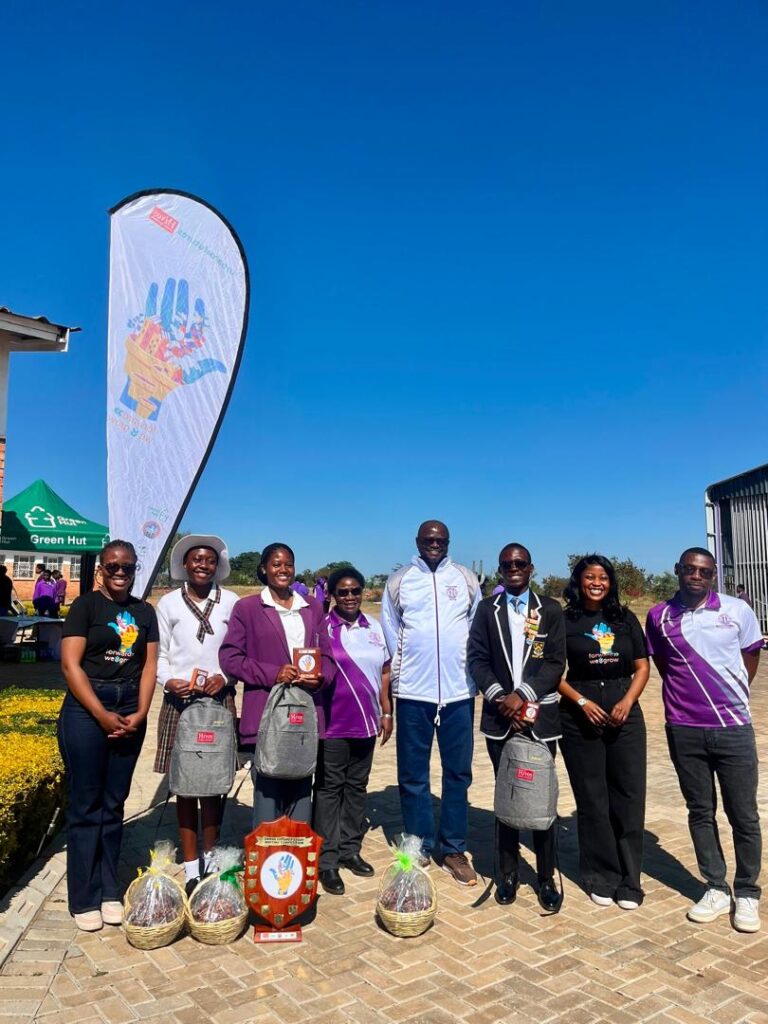
“Catch them young” is a well-known mantra that continues to prove its relevance. Raising awareness on critical issues such as biodiversity and environmental conservation becomes even more impactful when young people are actively involved. In commemoration of this year’s Biodiversity Day, the organisation, through the Urban Futures Project, hosted its second annual Biodiversity Essay Competition. The competition aims to nurture creativity among young learners while enhancing their understanding of biodiversity and sustainable urban food systems. Participants were required to choose and respond to one of two essay topics, allowing them to express their knowledge, ideas, and perspectives on environmental sustainability. The response from schools was overwhelming and encouraging. Learners from across the Bulawayo District enthusiastically took part in the competition, demonstrating not only their creativity but also a deep connection with their environment. The essays highlighted the students’ awareness of environmental challenges and their ability to propose practical solutions. Many of the suggested interventions were remarkably similar, underscoring a shared understanding among young people of both the problems facing the environment and the actions needed to address them. What remains is the collective commitment to turn these ideas into meaningful action. Out of the 18 participating schools, Masiyephambili College emerged as the overall winner, followed by Gifford High School as the first runner-up and Premier High School as the second runner-up. The Biodiversity Essay Competition Awards Ceremony was held at Masiyephambili College, where students were recognized and celebrated for their commitment to environmental conservation and sustainable food systems. Congratulations to our winners: 1st Place: Thandeka Ncube (Masiyephambili College) 2nd Place: Tamudaishe Munamati (Gifford High School) 3rd Place: Collin Colleta Moyo (Premier High School) The winners received trophies and indigenous fruit hampers, while the winning school was awarded 50 indigenous fruit trees and a floating trophy. The runner up schools each received 10 indigenous fruit trees to support their greening initiatives and strengthen biodiversity conservation efforts within their communities. The indigenous tree species distributed to the schools included waterberry, bird plum, Mexican apple, snot apple, wild medlar, and sausage tree. The indigenous fruit hampers featured local delicacies such as umnyi, umviyo, and uxhakuxhaku. The indigenous fruit hampers generated significant interest among the students, offering a refreshing alternative to conventional food hampers. This deliberate approach was designed to spark conversations about indigenous foods, their nutritional value, cultural significance, and their role in promoting sustainable food systems. Speaking at the event, Director Cinderella Ndlovu encouraged young people to take an active role in environmental stewardship and participate meaningfully in building resilient urban food systems. The event concluded with a tree-planting ceremony, symbolizing a shared commitment to biodiversity conservation and a greener, more sustainable future.

Biodiversity Essay Competition: Spreading Awareness Through Creativity Read More »
Agro-Food Systems Accountability Forum (AFSA Forum): Giving Young People a Voice in Policy Advocacy

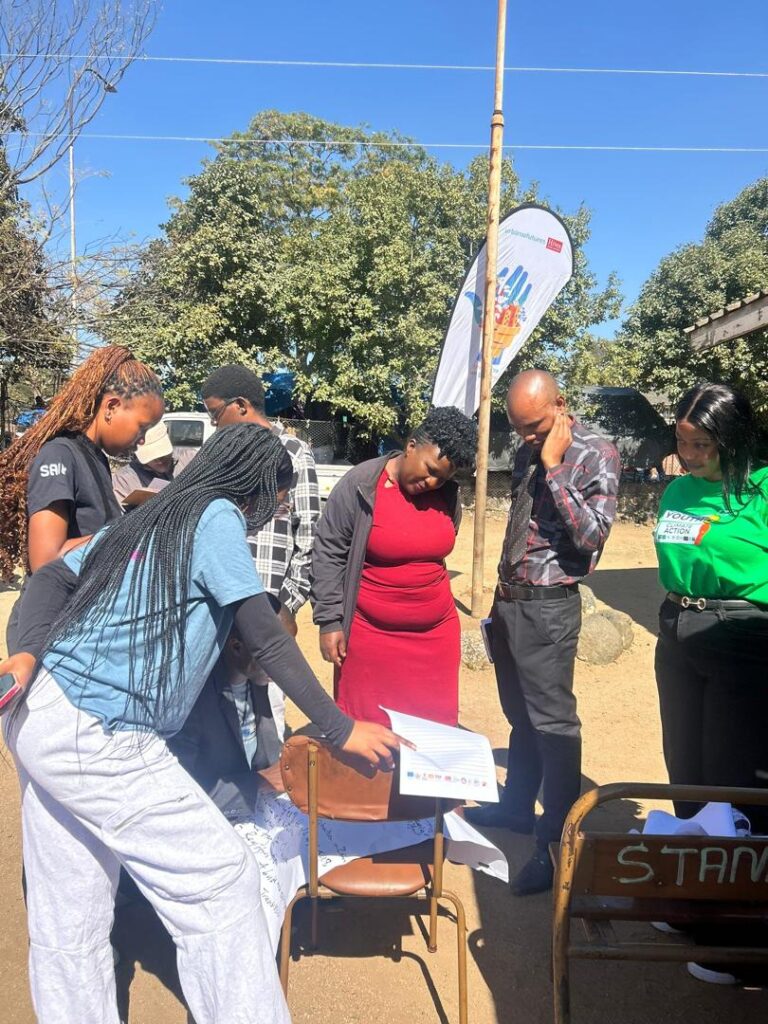
The Agro-Food Systems Accountability Forum (AFSA Forum) is a youth-led accountability and governance platform designed to create a structured space for young people to engage with duty bearers on the implementation of policies related to urban agro-food systems. The forum brings together youth, policymakers, government representatives, and other key stakeholders through recurring dialogue sessions, supported by an accountability dashboard that tracks commitments, resolutions, and progress. This approach strengthens transparency, accountability, and follow through on issues affecting young people and their communities. Young people are the leaders of tomorrow, making it essential to equip them with the knowledge, skills, and opportunities needed to advocate for a sustainable future. The AFSA Forum seeks to empower youth by providing them with the information, tools, and platform required to influence decision-making processes and drive meaningful change. As part of this vision, the Urban Futures Project, funded by Hivos and implemented by a consortium comprising the Bulawayo Vendors and Traders Organisation (BVTA) as the lead partner, Green Hut, and the Unemployed and Vulnerable Foundation Trust (UVFT) joined the Youth Collective Action for Social Transformation (YCA4SoTra) Project and Zizo Motion Pictures in hosting a Youth Policy and Advocacy Engagement at Tshaka Youth Centre on 16 June. The YCA4SoTra Project seeks to strengthen the capacity, sustainability, and policy influence of youth-led and youth focused organisations across Zimbabwe. The project works with 40 civil society organisations (CSOs) across 10 districts, empowering young people to actively participate in governance processes, influence policy decisions, and advocate for issues affecting their communities. Serving as a foundational step towards the establishment of the AFSA Forum, the engagement provided a platform for Urban Futures youths to learn from the YCA4SOTRA Project how to have meaningful dialogue with government representatives, councillors, and other stakeholders on issues affecting youth and their communities. Participants engaged in discussions on climate action, agro-food systems, sexual and reproductive health rights, child protection, digital transformation, and youth empowerment. Through these conversations, they identified key challenges and developed practical recommendations to inform policy development and community action. The discussions were vibrant and insightful, with participants demonstrating passion, determination, and a strong commitment to addressing issues that affect their lives. Stakeholders and duty bearers present at the engagement provided valuable guidance on the various thematic areas and supported young people in refining their advocacy priorities into practical, evidence-based, and achievable policy recommendations. The engagement highlighted the power of youth-led advocacy, evidence-based dialogue, and collective action in shaping sustainable and inclusive development. It reinforced the importance of creating spaces where young people can actively participate in decision-making processes and hold leaders accountable for commitments made. Together, we are building a generation of informed, empowered, and active citizens who are driving positive change and contributing to more resilient, inclusive, and sustainable communities.

Agro-Food Systems Accountability Forum (AFSA Forum): Giving Young People a Voice in Policy Advocacy Read More »