
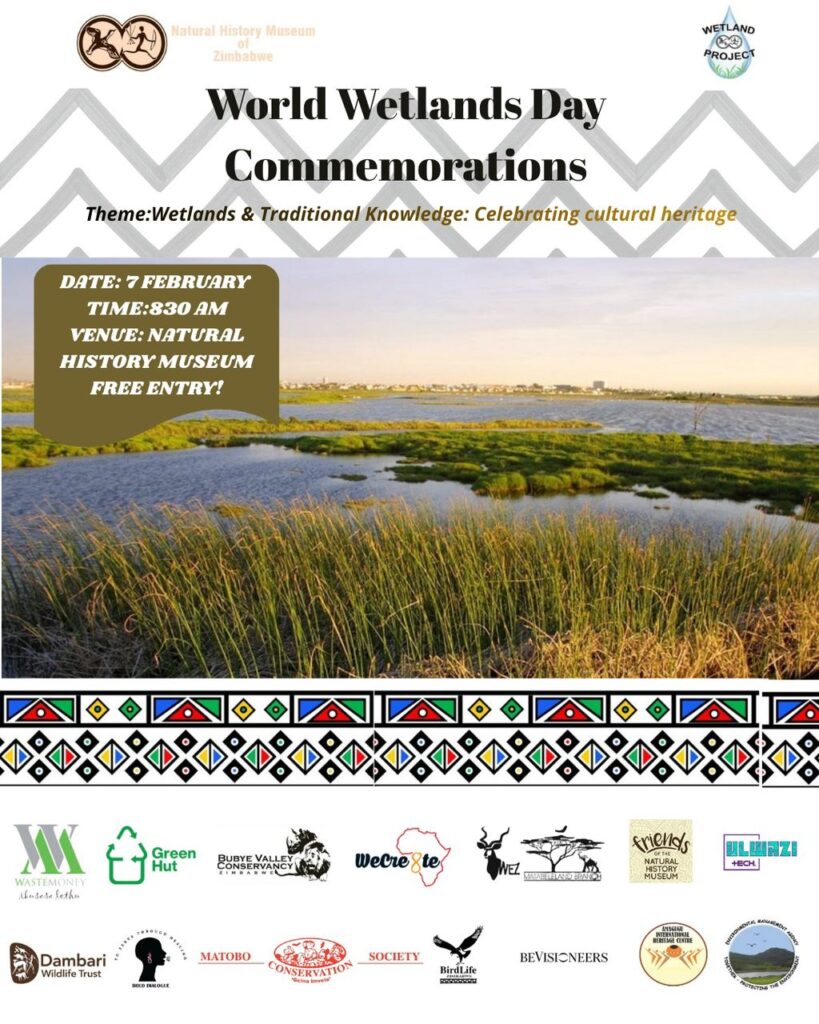
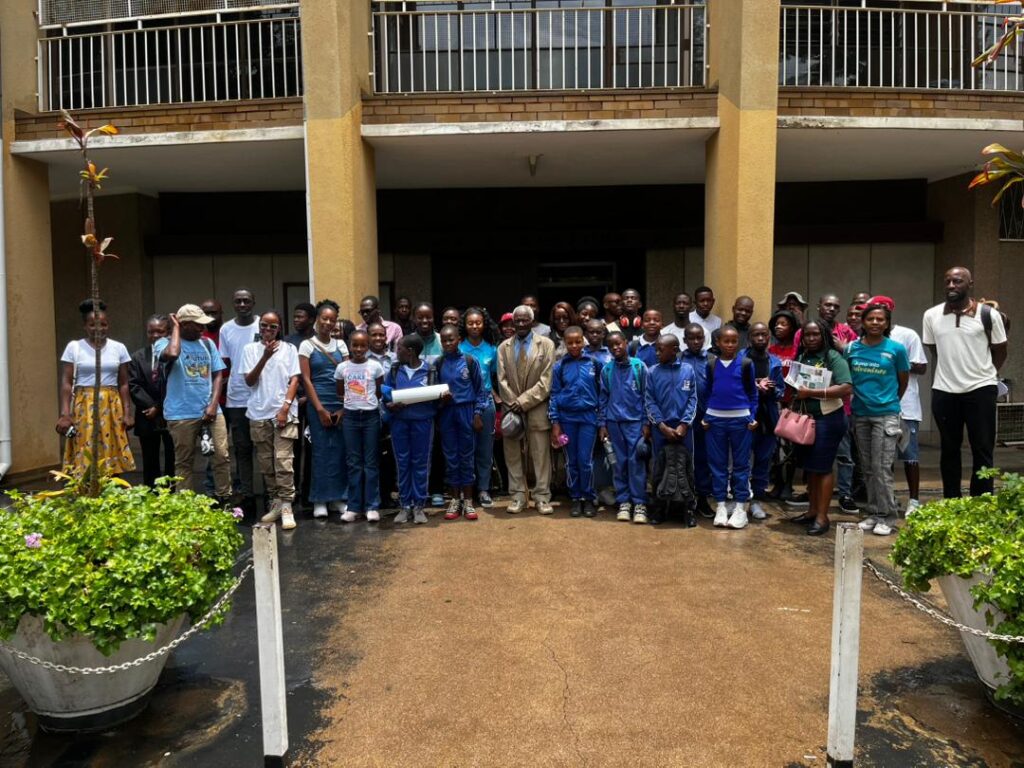
On a quiet Saturday at the Natural History Museum in Bulawayo, something powerful unfolded. It was not just an event—it was a homecoming of knowledge, culture, and purpose. Under the theme “Wetlands and Traditional Knowledge: Celebrating Our Cultural Heritage,” voices from across generations came together to honour something often overlooked, yet essential to life itself: wetlands.
When Elders Speak, Nature Listens
One of the most moving moments of the day came from a 102-year-old elder from Matobo, Mr Dube, who shared sacred practices that have protected wetlands for generations.Through stories passed down over time, we were reminded that:
- Wetlands were never just land—they were living systems to be respected
- Communities once read the seasons through birds, water patterns, and vegetation
- Conservation was embedded in culture, not enforced through policy
At the same time, children stood to recite poems—voices full of hope, speaking not just of today, but of the future they will inherit.And in that moment, one truth became undeniable, wetlands survive when culture survives.
Beyond Science: The Human Side of Conservation
The discussions throughout the day challenged us to rethink conservation.
We often approach environmental protection through science—and rightly so. But this gathering reminded us that conservation is also:
- Spiritual
- Emotional
- Deeply human
Our elders taught us that:
- Communities once restored drying wetlands through collective action
- Livelihoods were built in harmony with nature—not in conflict with it
- Respect for ecosystems was a way of life
This was not just knowledge—it was wisdom.
The Living Wetland Project: From Vision to Reality
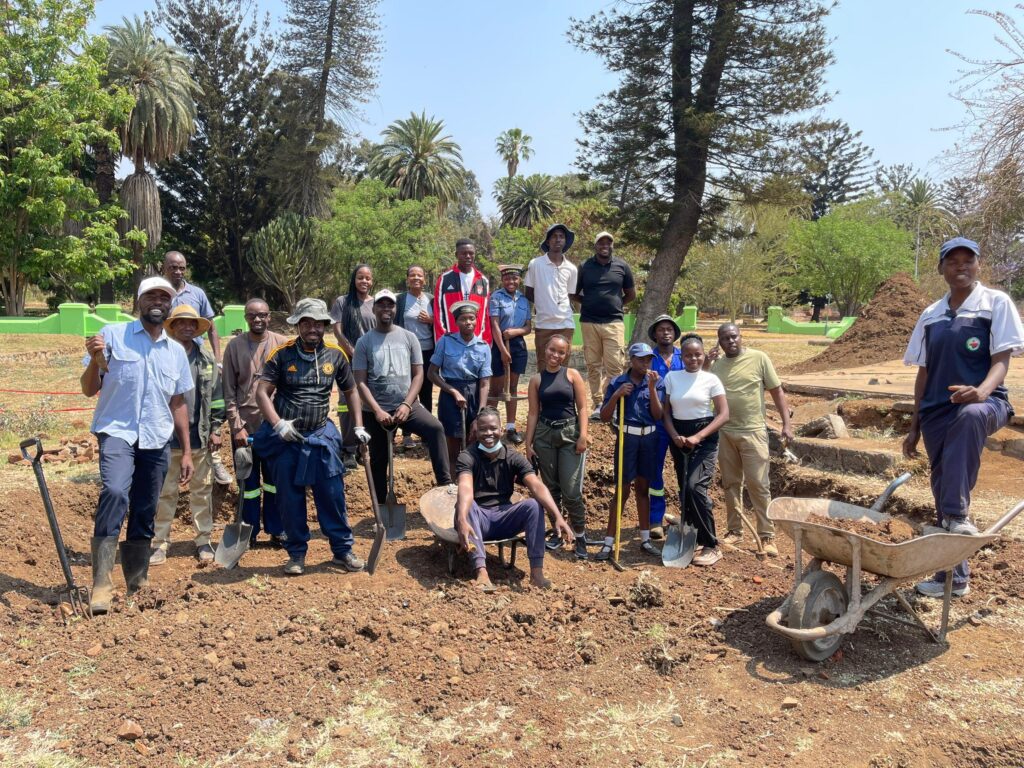
What made this moment even more powerful was that it was not just about reflection—it was about colective action as we partnered with Friends of the Museum,Waste Money Private Limited, Matobo Conserbvation Society, Bubye Valley Conservancy, We Cre8te Africa, Bold Dialogues, Dambari Wildlife Trust, Birdlife Zimbabwe, Ulwazi Technologies and the Environmental Management Agency.Right there at the Natural History Museum, the Living Wetland Project is beginning to take shape.Designed as a realistic, interactive wetland exhibit, the project aims to:
- Educate the public—especially children—on the value and function of wetlands
- Demonstrate how wetlands store, filter, and release water, supporting ecosystems and communities
- Inspire community-led conservation efforts
The exhibit is not just symbolic—it is alive.
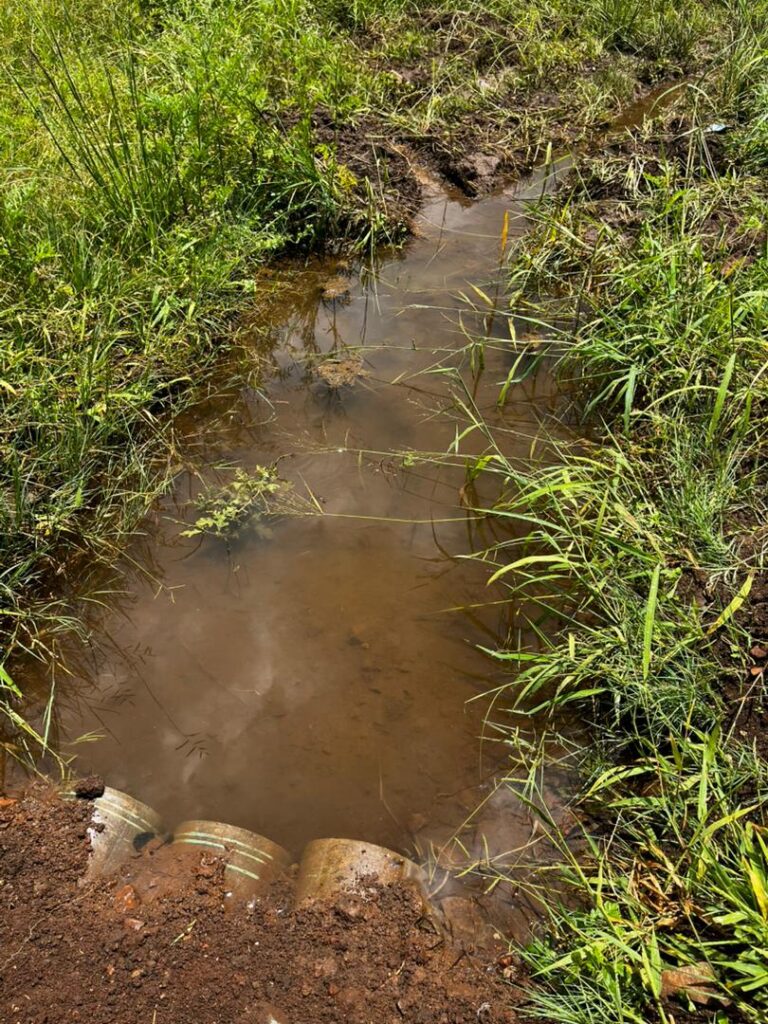
Water harvested from the museum rooftop is already collecting in the system, demonstrating how even in a dry city like Bulawayo, sustainable water use is possible . And slowly, nature is responding—insects are beginning to settle, marking the first signs of a living ecosystem forming.
A Living Classroom for Generations
The Living Wetland is designed to be more than an exhibit—it is a learning experience.Key features will include:
- A constructed wetland ecosystem with indigenous plants
- An interactive model where children can simulate rainfall and observe water filtration
- 3D maps showing the importance of wetlands in Zimbabwe’s water systems
- Educational signage and digital tools, including QR codes linking to stories and videos
This will be a space where:
- Children learn by seeing and doing
- Communities reconnect with nature
- Knowledge is passed from one generation to the next
As highlighted in the project concept, the museum already receives thousands of visitors annually—making it the perfect platform to inspire widespread environmental awareness .
A Call to Remember, Restore, and Protect
The Living Wetland Project is not just about building an ecosystem—it is about rebuilding our relationship with nature.It is a reminder that:
- We already have the knowledge we need
- Our cultures hold solutions to modern environmental challenges
- Protecting wetlands is not optional—it is essential
Looking Ahead
As the wetland begins to take shape—drop by drop, life by life—we are witnessing something beautiful.At Green Hut Trust, we are proud to be part of this journey—working alongside partners, communities, and knowledge holders to bring this vision to life.Because wetlands are not just landscapes.
They are heritage.
They are life.
And protecting them is everyone’s responsibility
Join the Movement
As we continue to build and grow the Living Wetland, we invite you to:
- Visit the Natural History Museum
- Learn about wetlands and their importance
- Be part of the movement to protect our ecosystems
Because the future of our environment depends not only on what we build—but on what we choose to remember and preserve.