
Closing the gaps in the GAP, championing gender mainstreaming in climate change
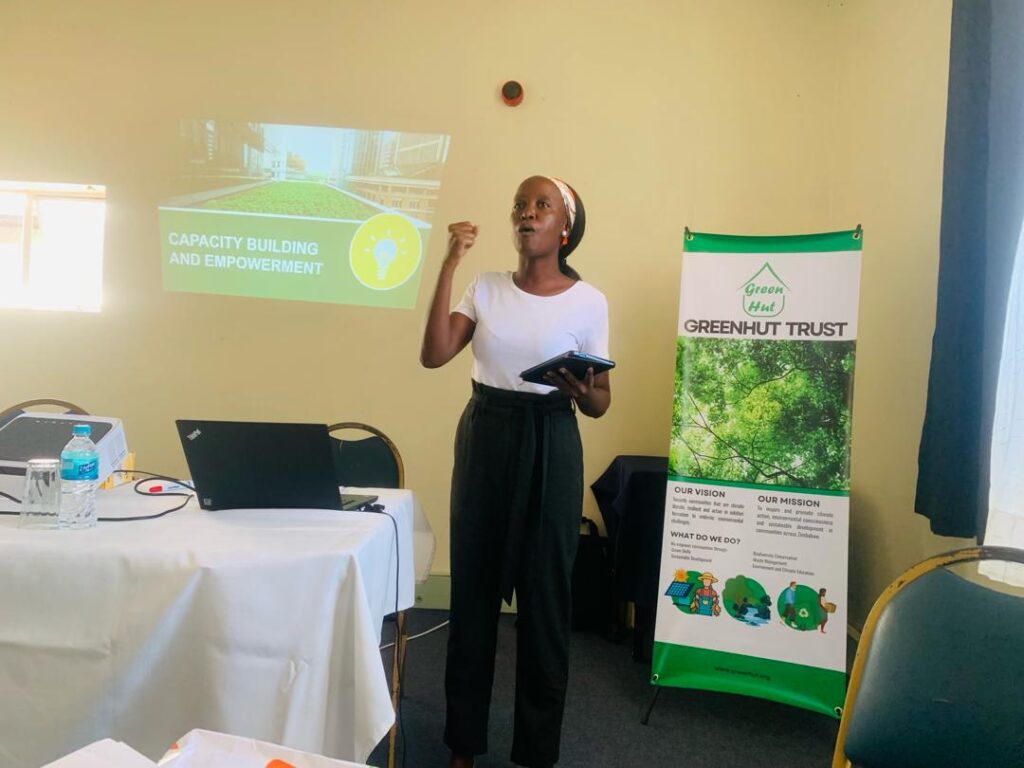
More often than not, gender and climate change are discussed in separate rooms leading to gender blind policies that fail to recognise the interlinkages between the two.A common misconception is how gender is perceived as a “women” issue which is not the case. Gender issues include all aspects and concerns related to women’s and men’s lives and situation in society, to the way they interrelate, their differences in access to and use of resources, their activities, and how they react to changes, interventions and policies. Looking at gender and the economy, 80% of rural women live in communal areas and provide 70% of the labour in Agriculture and 60% of women directly produce agricultural commodities thus directly contributing to the economy. Due to the socially constructed roles, more women depend on the environment to execute their gendered roles and are more vulnerable to climate change shocks. Additionally women have limited access to productive resources such as land. They also have very low representation in climate change decision making processes rendering them less influential in policies, programs that influence their lives. Various impacts of climate change disproportionately affect women than men, increasing their burden of work e.g water scarcity means women have to spend more hours looking for water. As part of efforts to facilitate gender mainstreaming, the Zimbabwe Gender Action plan (GAP) makes reference to trainings and workshops as crucial instruments in building the capacities of women to partake in decision making processes. In line with the International Women’s day theme ‘Inspire inclusion’ , Green Hut with support from the Youth Empowerment and Transformation Trust (YETT) conducted a gender-climate workshop which sought to raise awareness on the importance of gender mainstreaming in climate change. The workshop highlighted the objectives, prorities and activities stipulated in the GAP and other regional and international gender- climate related policies such as the the Convention on Elimination of Discrimination against Women (CEDAW), Beijing platform for Action (2000), declaration of gender equality in Africa (2004), SADC protocol on Gender and development , African Union on Gender Policy (2013) and others related policies with the aim of sensitising the participants on the governance issues. During a lively panel discussion , Mthokozisi Moyo, the Climate smart water solutions developer at Green Hut mentioned the need for inclusivity in the water sector with innovations and technologies that address the needs of women and girls. Ashelee Nhliziyo, from Lunia Center for Youth highlighted how climate change is exercebating the abuse of women and girls giving case studies of water scarcity where some girls and women are asked for sexual favours in exchange for water. Kholekile Ndlovu who works with the Unemployed and Vulnerable Foundation Trust emphasized equity issues especially for persons with disabilities that are often excluded from partcipating in climate change yet they are also highly vulnerable. Mr Justice Zvaita from the Zimbabwe Climate Change Coalition called for collaborative action among different stakeholders to address gender issues. As part of the oganisation’s commitment to championing gender mainstreaming, the Green Hut team carefully selected 25 participants to join a cohort of gender-climate champions that will undergo vigorous training and skills development through out the year. Although there are numerous policies supporting gender mainstreaming in climate, closing the gender gap is a great task at hand which calls for collaborative work
Closing the gaps in the GAP, championing gender mainstreaming in climate change Read More »