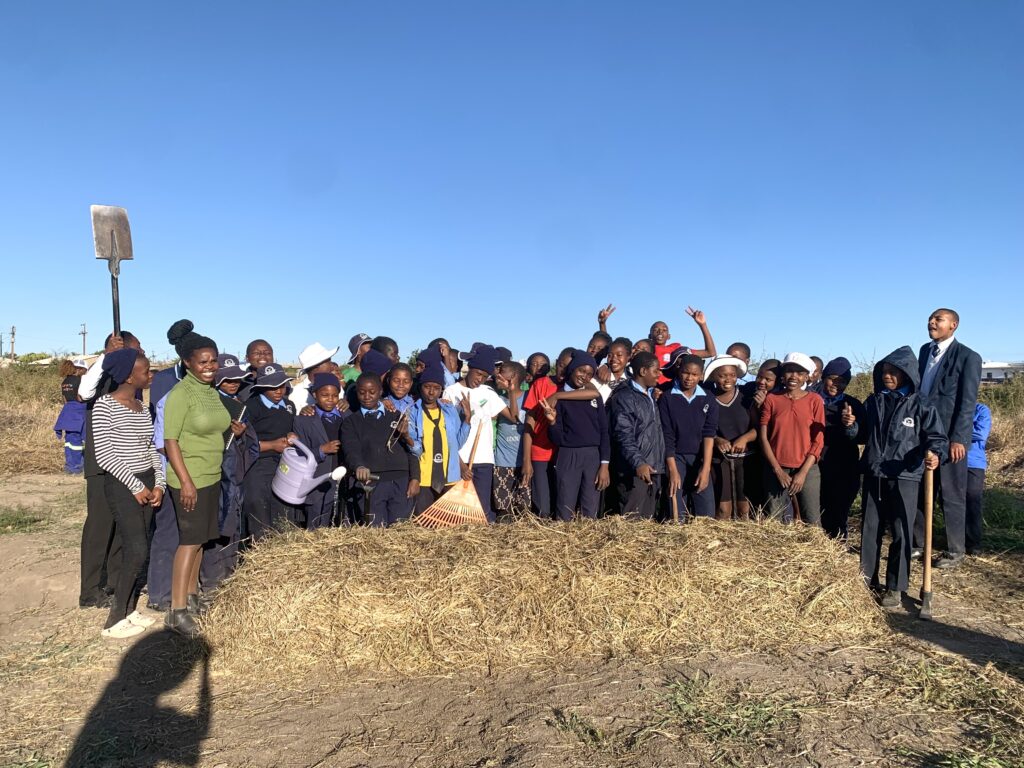
As the climate crisis deepens, it’s becoming clear that no action is too small. Every seed sown, every tree planted, and every child educated is a step toward a more resilient and sustainable future.
At Green Hut, we believe in planting the roots of change early. That’s why, together with Hivos and our partners in the Bulawayo Urban Futures consortium (Bulawayo Vendors and Traders Association, African Food Revolution, and Unemployed and Vulnerable Foundation Trust) we’ve launched an exciting new initiative: School Food Forests.
This project is taking root in primary and high schools across Bulawayo, starting with a pilot at Prestige High School in Cowdray Park. The goal is to build vibrant food forests and active environmental clubs that empower students with practical knowledge about climate change, agroecology, permaculture, composting, water harvesting, and climate-smart farming.
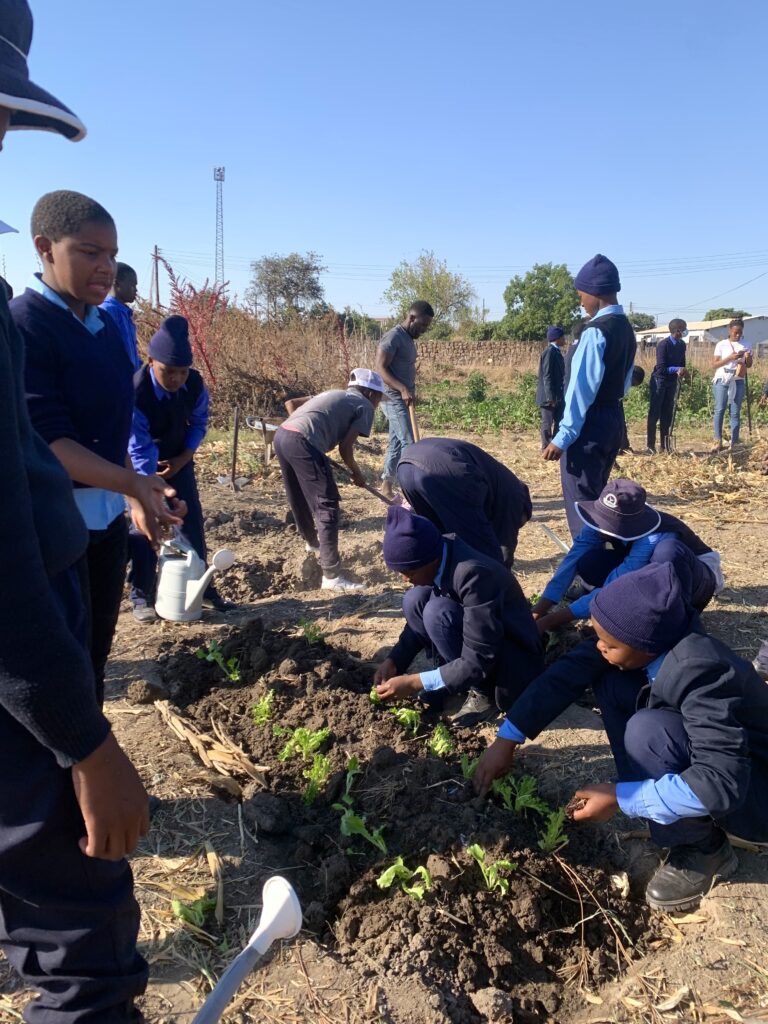
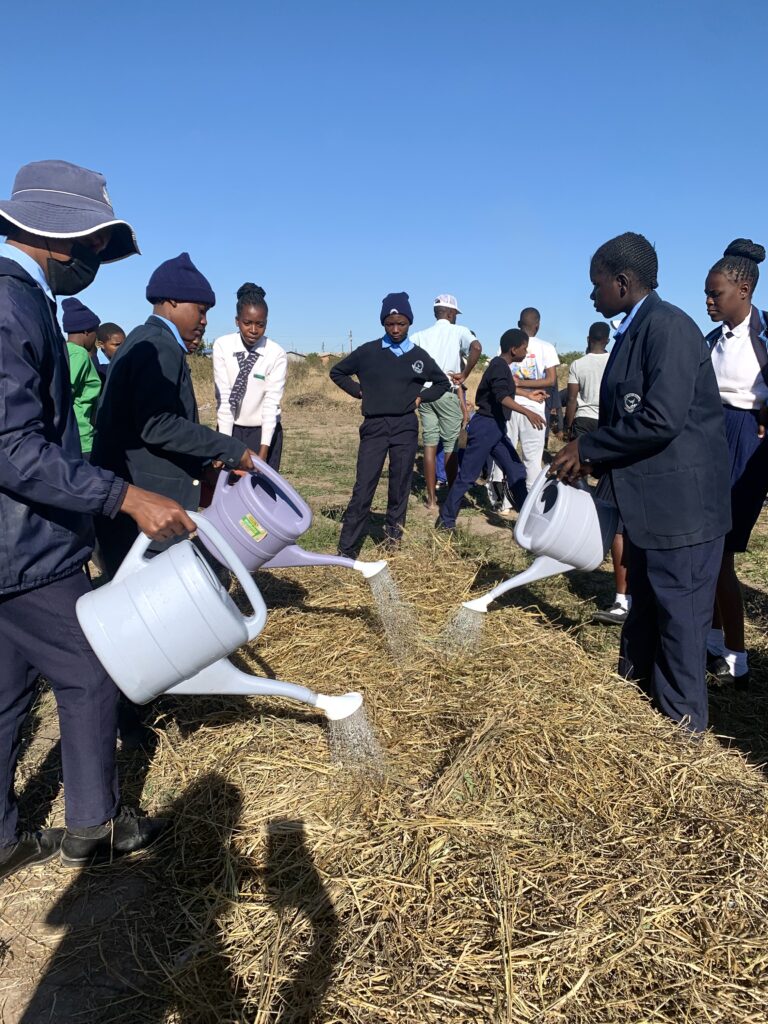
These food forests are living classrooms that offer hands-on experiences and tie into academic subjects like food and nutrition, agriculture, and geography. Students not only learn how to grow food, but they also learn how to care for ecosystems, work together, and develop a sense of responsibility for the environment.
So far, we’ve planted 60 trees at Prestige High School with 60% indigenous species and 40% exotic. This wasn’t by chance. Indigenous trees are better suited to our local climate and require less maintenance, making them key players in building climate-resilient communities. Trees like Bird plum (umnyi) and snot apple (uxakuxaku) sit alongside lemon trees, while underneath them, vegetables like rape and lettuce grow in the shade. Herbs like mint, thyme, oregano, comfrey, and parsley add to the biodiversity.
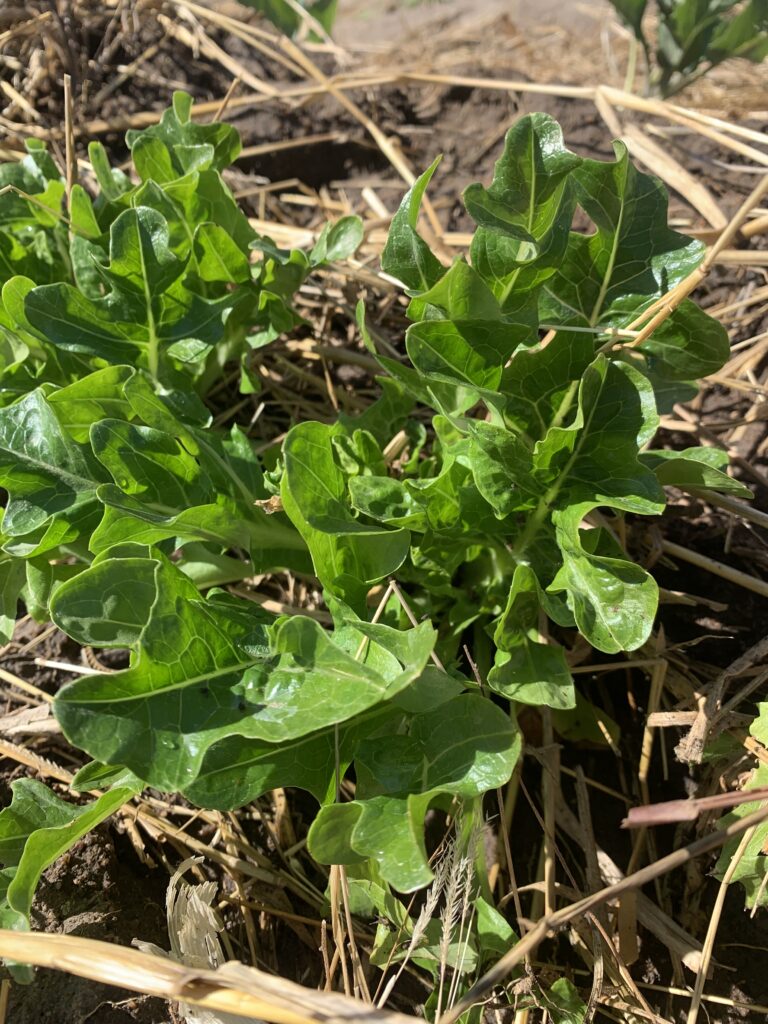
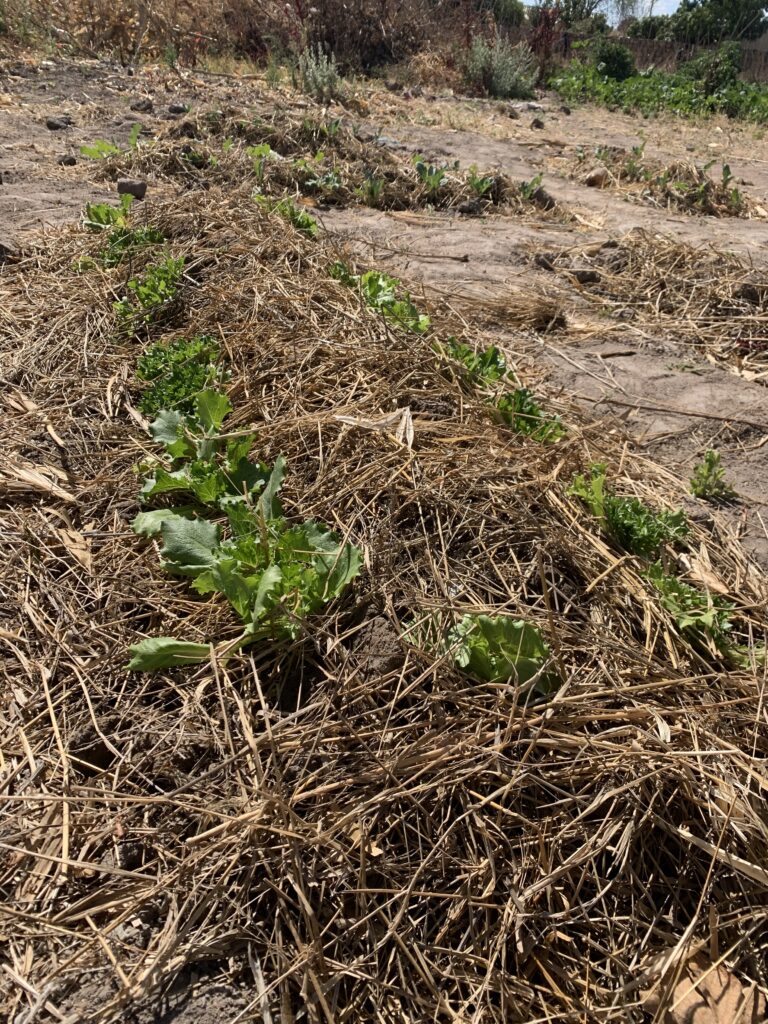
The design mimics natural ecosystems, as each plant has a purpose, supporting the others. The shade from the trees reduces evaporation, protecting crops during dry spells. It’s a beautiful balance of productivity and sustainability.
Importantly, this project is reconnecting young people with indigenous foods and forgotten flavours. In an age of fast foods and imported produce, we are reminding students of the value and taste of traditional fruits and crops. It’s also planting the idea that green careers are possible, meaningful, and essential.
We know that not all students shine in traditional classroom settings, but in the food forest, many are discovering new talents and interests. They are getting their hands dirty, learning by doing, and finding joy in watching something grow. They’re challenging the old idea that farming needs lots of land and money. We are showing them that with knowledge, care, and creativity, even a small schoolyard can become a source of food, pride, and learning.
The response so far has been heartwarming. At Prestige High, students are eager to learn, quick to volunteer, and excited to show off their gardens. Some even take the initiative to water plants during break time and over the weekends. The food forest has become a favorite space and part of the classroom.
Looking ahead, we’re hopeful. We see a future where more schools join the movement, more children become eco-leaders, and our urban food systems are transformed from the ground up by the very youth who will inherit them.